For many people with COPD, emphysema, pulmonary fibrosis, or other breathing problems, oxygen therapy is more than just a routine—it’s essential. Portable oxygen concentrators (POCs) have transformed daily life for users, making it easier to move around, travel, socialize, and stay active without being held back by heavy tanks.
But what does an average day really look like for someone using a portable oxygen concentrator? How do they manage their time, mobility, and equipment while still enjoying life?
Let’s consider a day in the life of Susan, a fictional character who is a 68-year-old retiree with COPD created to represent a typical portable oxygen concentrator user. She uses a lightweight device from 1st Class Medical. Her story illustrates how the right equipment and mindset can support an active lifestyle.
Morning: Waking Up and Getting Started
Susan wakes up early, around 6:30 a.m., to the soft hum of her concentrator in the corner. Her POC has been charging overnight, ready for the day ahead. One of the biggest advantages she’s noticed since switching from oxygen tanks is how much simpler mornings have become. There’s no swapping cylinders, checking gauges, or worrying about running out of oxygen mid-day.
Before getting out of bed, Susan checks her oxygen settings. Her doctor prescribed a flow rate of 2 LPM (liters per minute), and she uses the concentrator’s pulse dose setting to conserve battery life while keeping her oxygen saturation stable.
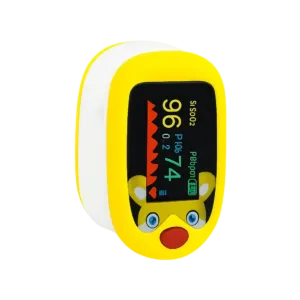
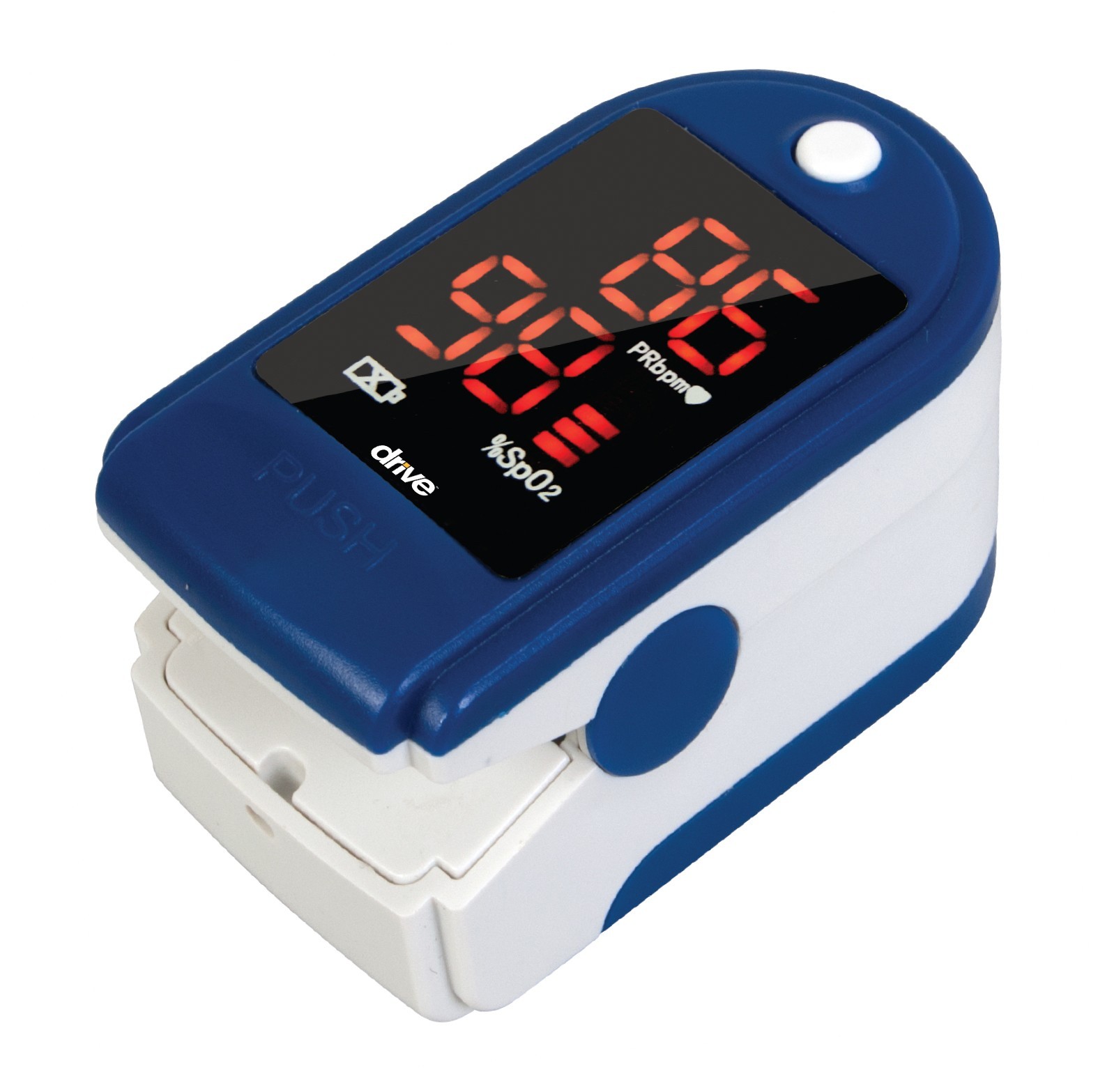
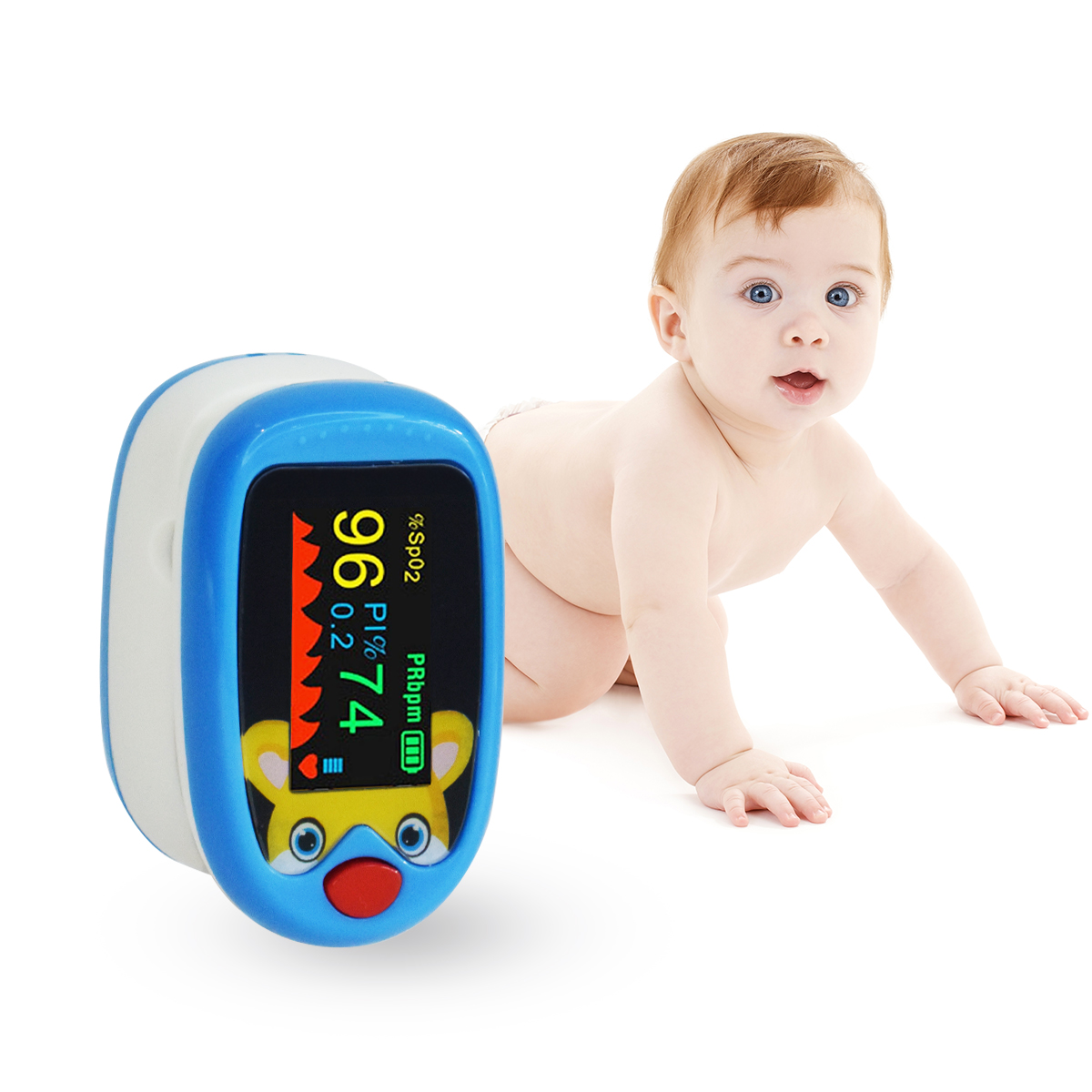
After washing up, she heads to the kitchen for a light breakfast of oatmeal, fruit, and green tea. While eating, she puts her nasal cannula back in and checks her finger pulse oximeterto make sure her oxygen levels stay above 90%. For many oxygen users, this small device brings peace of mind and helps track changes in breathing during activity.
Pro Tip: Keep your concentrator plugged in while you eat breakfast or get ready. This way, you’ll start your day with a fully charged battery.
Mid-Morning: Movement and Exercise
After breakfast, Susan makes time for light exercise. She’s learned that staying active actually helps her breathe better, even with COPD. Her doctor recommended chair yoga, short walks, and gentle stretching.
Susan straps her portable concentrator over her shoulder using a cross-body carrying case. It weighs just over 4 pounds, so it doesn’t slow her down as she heads outside for a 20-minute walk around her neighborhood. The fall air feels cool and crisp, and her POC automatically adjusts its oxygen delivery with each breath.
She greets a neighbor walking her dog and notices how natural it feels to be out again, no longer tied to a tank or worried about running out of oxygen. When she gets back home, she plugs in the POC to recharge and does a few breathing exercises her respiratory therapist suggested.
Did you know? Most portable concentrators are made for both stationary and mobile use. You can plug them into any standard outlet and still use oxygen.
Late Morning: Household Tasks and Rest
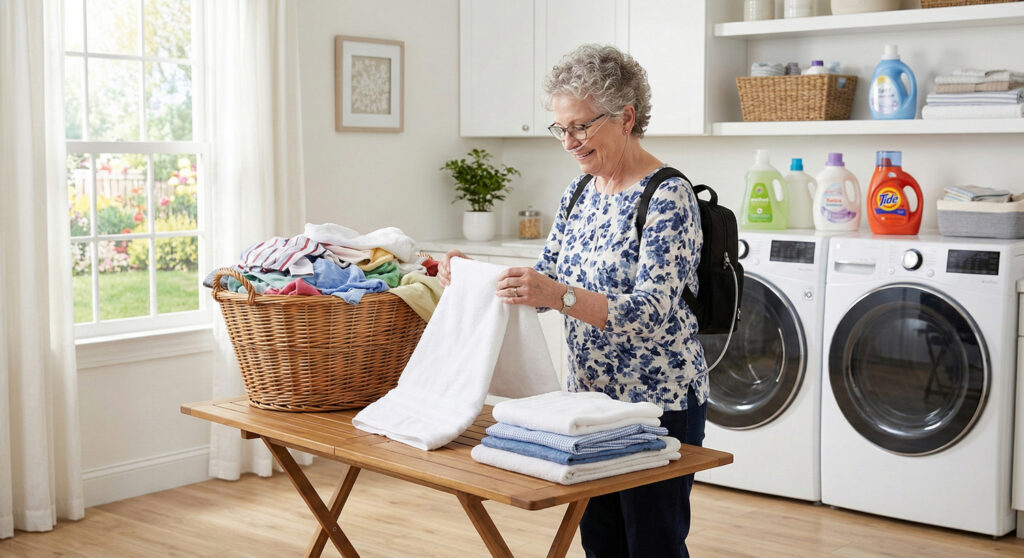
After her walk, Susan spends some time tidying up. She folds laundry, checks the mail, and waters her plants, all while keeping her concentrator close by on its rolling cart.
One benefit of portable oxygen concentrators is how quiet and easy to ignore they are. The gentle hum fades into the background, letting Susan go about her morning without distraction. For many oxygen users, this independence makes a big difference.
Around 11 a.m., Susan sits down to rest. COPD can cause fatigue, so she’s learned to pace herself and take breaks before she gets too tired. She uses this time to read or call a friend, which helps her stay connected while she recharges.
Afternoon: Getting Out and About
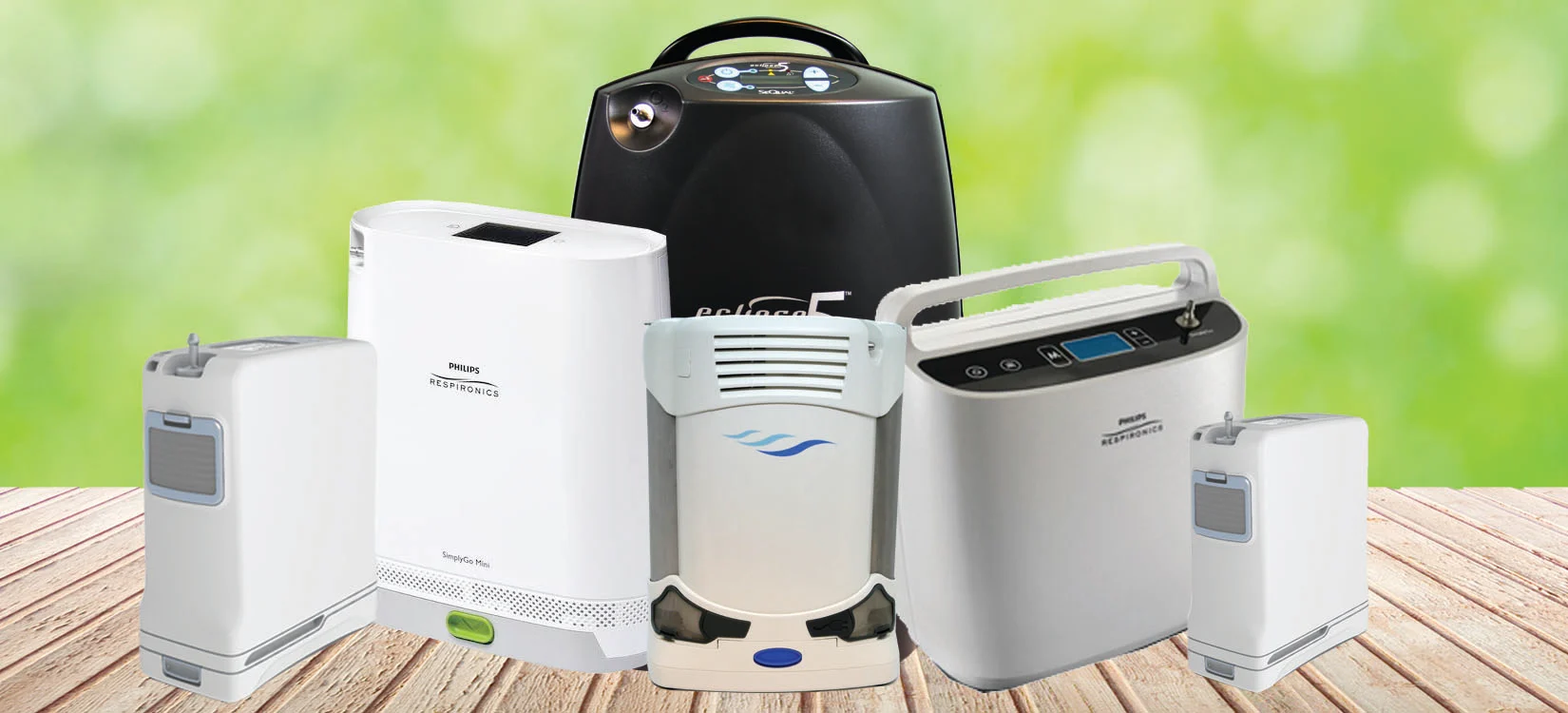
In the early afternoon, Susan needs to run a few errands. She checks her POC’s battery indicator and sees it’s fully charged, then packs an extra battery just in case. Modern concentrators from brands like Inogen, Caire, and Philips Respironics make this easy, with quick-swap batteries that can last 4 to 10 hours depending on the settings.
She places the device in its small backpack-style carrier and heads out the door. Because portable concentrators are FAA-approved, Susan knows she can take the same device on airplanes, road trips, or anywhere else she goes.
At the grocery store, she moves comfortably through the aisles. The device’s compact design and battery power let her shop without worrying about cords or tank deliveries. Sometimes, curious shoppers ask about her device, and she’s happy to explain, especially if someone mentions a parent or friend who might benefit from one too.
Pro Tip: If you’re new to oxygen therapy, talk with your doctor and oxygen provider about flow settings and battery management before taking long trips. Each POC has its own usage recommendations.
Late Afternoon: A Social Break
After running errands, Susan meets a friend for coffee. She used to dread social outings when she relied on oxygen tanks. Their size and visibility made her feel self-conscious, and refilling tanks while out was stressful.
Now, her portable oxygen concentrator fits discreetly by her chair, with its quiet pulse barely audible over the café chatter. Her friend remarks on how much more relaxed and confident she seems.
They chat for an hour, and Susan hardly notices her concentrator. That’s the best part about portable oxygen: it fits into your life instead of taking it over.
Evening: Relaxation and Reflection
By the time she gets home, the day’s activities have tired her out, but she still feels independent. She plugs her concentrator into the wall and switches to a stationary setting while she makes dinner. Later, she relaxes in her favorite chair, watching TV and practicing slow, mindful breathing.
Before bed, Susan does one last check on her POC. She wipes the outside with a soft cloth, checks that her filters are clean, and makes sure the battery is fully charged for tomorrow. This has become part of her nightly routine, just like brushing her teeth.
She reflects on her day and realizes how much has changed since she first started oxygen therapy. The fear and frustration she once felt have been replaced by comfort, confidence, and freedom.
What Susan’s Day Teaches Us
Susan’s story represents countless people who’ve regained control of their lives with the help of portable oxygen technology. Whether you’ve just been prescribed oxygen therapy or have been using it for years, the right equipment can make an enormous difference.
Here are a few takeaways from her experience:
1. Independence Is Possible
Modern POCs are made to be lightweight, portable, and easy to use. With features like rechargeable batteries, pulse dose delivery, and quiet operation, users can stay active and independent, whether that means walking the dog or flying across the country.
2. Routine Helps Build Confidence
Establishing a daily rhythm with oxygen use makes life smoother. Charging devices overnight, checking flow settings, and cleaning filters regularly reduces stress and prevents surprises.
3. Staying Active Improves Health
Gentle exercise and movement can strengthen lungs and improve oxygen efficiency. Always consult your doctor before beginning any new activity, but don’t underestimate how much being mobile helps.
4. Technology Keeps Getting Better
Each year, concentrators get more efficient, lighter, and smarter. At 1st Class Medical, we stay up to date with the latest technology so patients can focus on living instead of managing equipment.
Living Fully with Oxygen Therapy
Living with a chronic lung condition can feel overwhelming, but portable oxygen concentrators create new opportunities. They turn oxygen therapy from a limitation into something empowering.
As Susan puts it:
“My oxygen concentrator isn’t just medical equipment — it’s my ticket to freedom.”
At 1st Class Medical, we’ve seen this transformation countless times. We carry the world’s leading portable oxygen concentrators, from compact models ideal for travelers to continuous-flow systems designed for high-flow users. Our specialists help match every patient with the right device, ensuring comfort, safety, and confidence.If you or a loved one are ready to experience that same freedom, explore our full range of portable oxygen concentrators at 1st Class Medical, or call our team to find the perfect fit for your lifestyle.
This article is intended for general informational purposes only and should not be considered medical advice. Oxygen therapy requirements vary by individual, and all treatment decisions should be made in consultation with a licensed healthcare provider.
Susan is a fictional character used to illustrate common experiences among users of portable oxygen concentrators. Individual results and experiences may vary.
Product references, including those from 1st Class Medical, are provided for context only and do not constitute endorsements or medical recommendations.
When it comes to portable oxygen therapy, finding the perfect balance of performance, portability, and price can feel impossible. Too often, oxygen users are forced...
When you have received a COPD diagnosis, it is often followed by a prescription for medical grade oxygen. You are left feeling overwhelmed with a wealth...
Our respiratory specialists are here to help with exclusive deals, personalized recommendations, and support at every step of your journey to better breathing.





 23Jun
23Jun









Comments are closed