A Guide to Winter Travel With a Portable Oxygen Concentrator
Winter travel can be exciting, but it also comes with unique challenges, especially for people who use a portable oxygen concentrator (POC). If you’re visiting family, heading to the mountains, or flying somewhere warm, planning ahead helps keep your oxygen therapy on track.
At 1st Class Medical, we understand how much independence and peace of mind matter when you travel. This guide covers what you need to know about winter travel with a POC, including airport rules, cold weather, icy roads, and busy holiday crowds.
Why Winter Travel Requires Extra Planning for POC Users
Winter introduces several factors that can affect both your health and your oxygen equipment:
Cold temperatures can decrease battery efficiency.
Dry air may irritate your lungs.
Snow and ice increase travel delays and require better trip backups.
Holiday crowds can make airports more stressful and slow-moving.
Illness season means higher exposure to colds, flu, RSV, and pneumonia.
We don’t want to discourage winter travel. With good preparation, you can have a safe, comfortable, and smooth trip wherever you go.
Preparing Your Portable Oxygen Concentrator for Winter Travel
Wherever you’re headed, these steps will help your device work well in winter weather.
1. Charge and Pack Extra Batteries
Cold weather makes lithium-ion batteries lose charge faster, so bring more batteries than you think you’ll need. For flights, try to have enough battery life for 150% of your total flight time, including layovers.
Extra batteries are also helpful for car or train trips, especially when:
Traffic delays occur
You spend time outdoors
You’re waiting in the cold before boarding
Keep batteries in insulated bags or close to your body when you’re outside to help them stay warm.
Never leave your POC in a parked car during winter. The inside of the car can get too cold very quickly.
If you must be outdoors, try to keep your device close to your body or inside a protective carrier.
3. Clean and Maintain Your Device Before You Go
A clean machine works better and is safer, especially during cold and flu season.
Before traveling, be sure to:
Wipe down your device
Clean filters (or replace them if needed)
Inspect tubing for cracks or stiffness
Check your cannula for wear
Ensure you have all essential accessories
Winter trips often involve dry indoor air, which can lead to increased mucus production. Using a fresh cannula helps keep your airflow steady.
Holiday Travel Tips for POC Users
The holidays are a great time to see loved ones, but they also mean bigger crowds, delays, and busy travel. Here are some tips to help you stay safe and comfortable.
Plan Around the Busy Travel Window
If possible, book travel on:
Mid-week dates
Early morning flights or car departures
Non-peak holiday days
Airports and roads tend to be most crowded:
The day before Thanksgiving
December 21–24
December 26–30
Traveling early can lower stress and help you avoid surprises that might affect your oxygen needs.
Create an Oxygen Travel Folder
This is especially helpful during the holidays, when airline staff and security teams are dealing with heavy traffic.
Your folder should include:
Your oxygen prescription
POC FAA approval (for flights)
Physician’s travel letter (optional but helpful)
Device manuals or quick guides
Extra paperwork for international trips
Having these documents in one folder can speed up security checks and make your trip smoother.
Avoid Exposure to Illness When Visiting Family
Holiday gatherings often mean being close together indoors, which can raise your risk of catching viruses.
To stay healthy:
Bring hand sanitizer
Wear a mask in crowded spaces
Avoid sitting near sick family members
Choose well-ventilated rooms when possible
Prioritize rest and hydration
Taking care of your breathing is the most crucial thing during winter travel.
Traveling in Snowy or Icy Conditions With a POC
Winter weather can create hazards, especially if you’re traveling to snowy destinations. Winter weather can be risky, especially if you’re traveling to snowy areas or driving in cold weather.
Avoid placing the machine near heaters or defrosters
If you get stuck in traffic or a winter storm, having enough battery power is very important.
Bundle Up Without Blocking Oxygen Flow
Winter clothing can interfere with your tubing, especially scarves and heavy jackets.
To stay safe:
Keep tubing over your clothing, not under heavy layers
Avoid wrapping scarves tightly over your cannula
Use tubing clips to secure longer cannulas
Check for ice or snow buildup if you’re outdoors
Cold air can make it harder to breathe, so take your time and rest often.
Watch Out for Condensation
Moving from outdoors into heated indoor spaces can create condensation inside your tubing.
To reduce this:
Keep your device close to room temperature
Wipe down tubing if moisture appears
Let your POC warm up slowly after being outside.
Never attempt to warm your POC using external heat sources.
Flying With a Portable Oxygen Concentrator During Winter
Air travel can be a big concern for oxygen users, but with good planning, it can go smoothly. If you’re flying this winter, here’s what you can expect.
1. Make Sure Your POC Is FAA-Approved
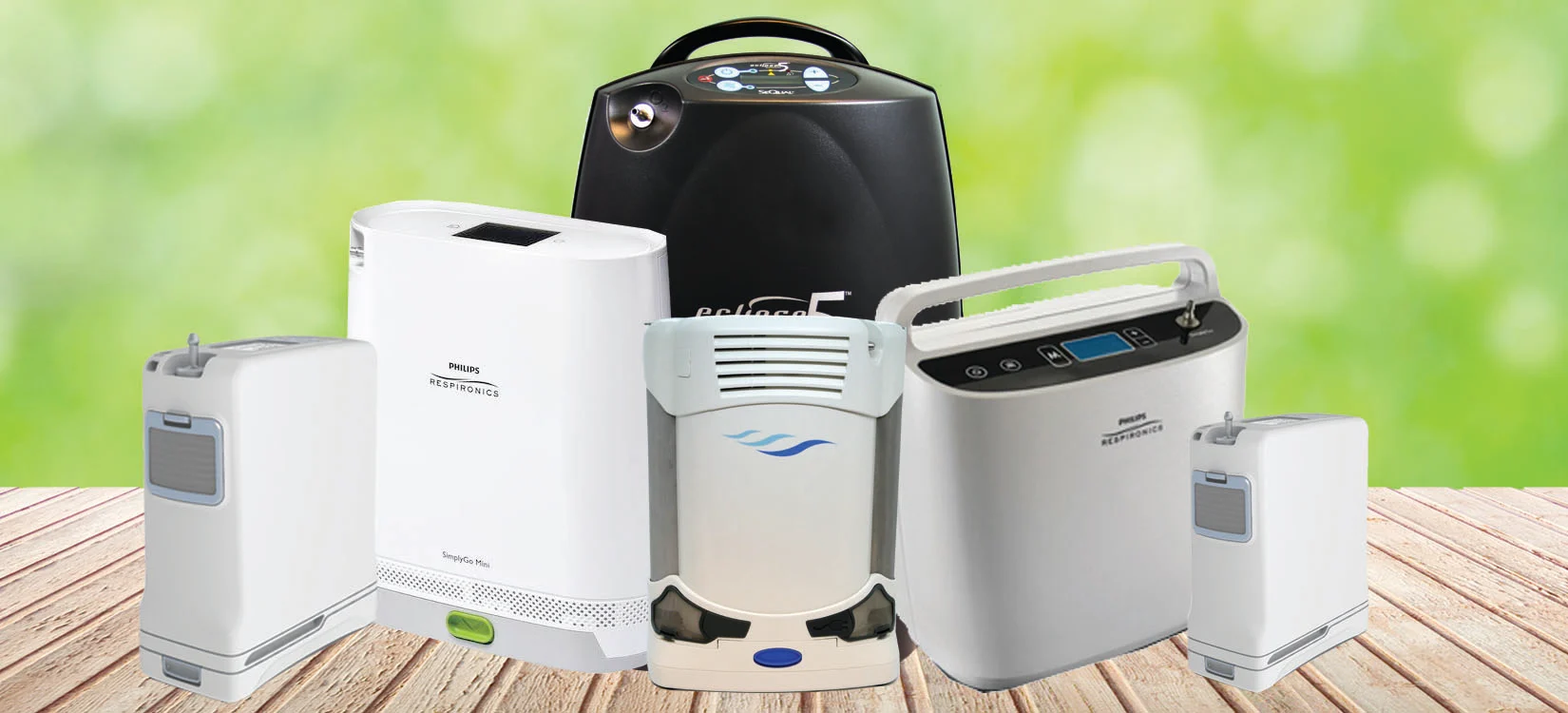
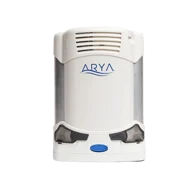
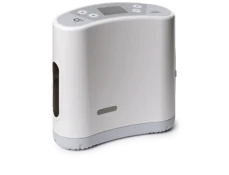
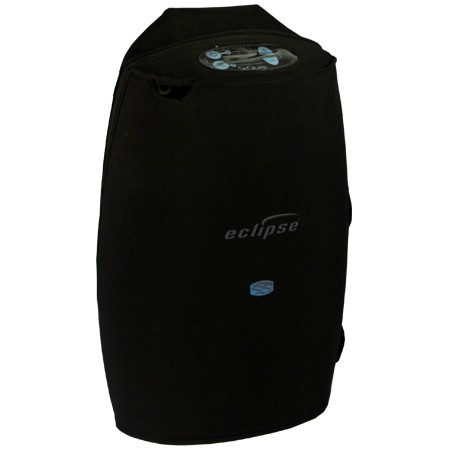
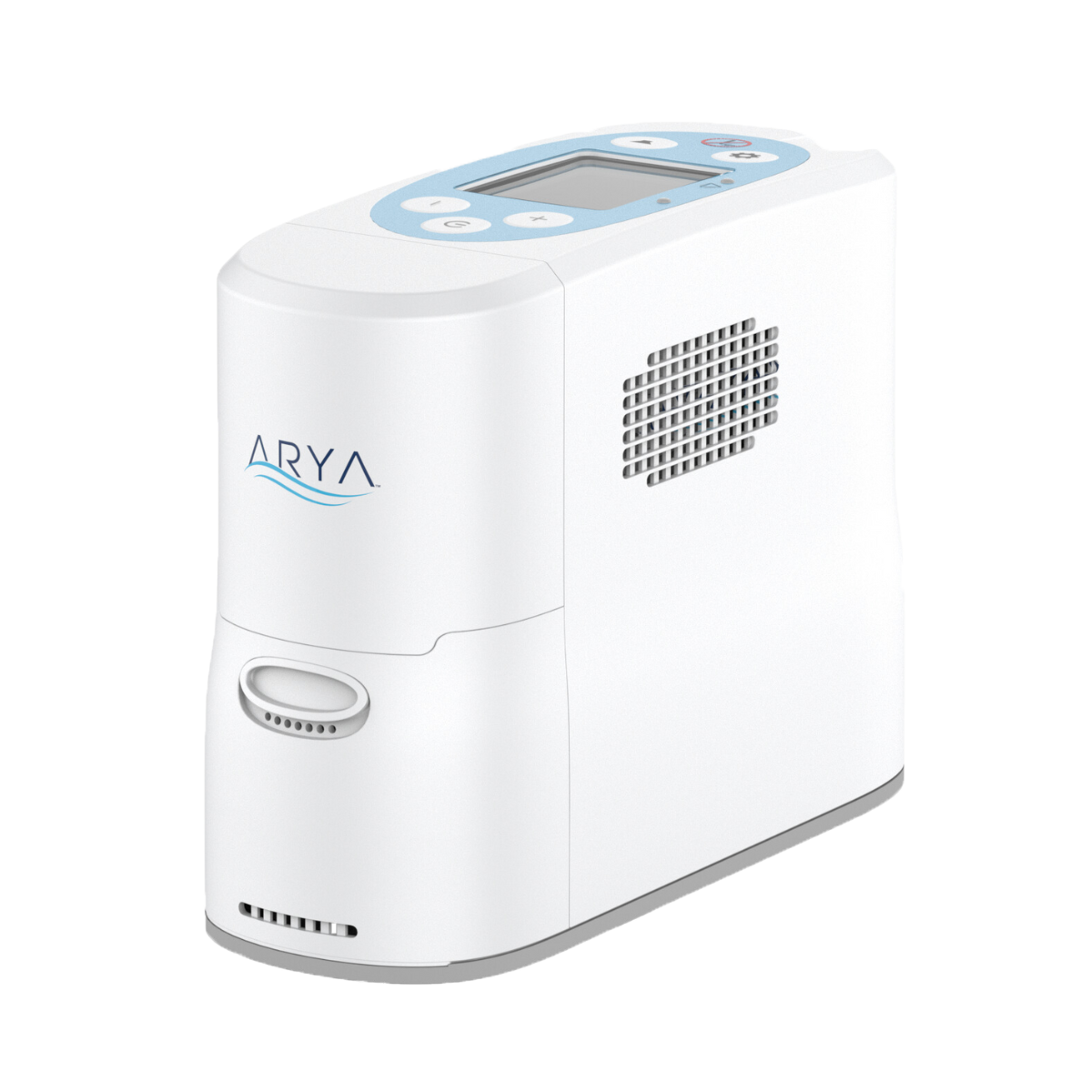
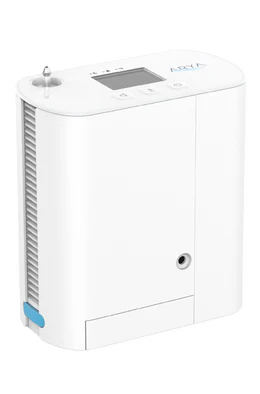
Most modern portable oxygen concentrators sold by 1st Class Medical are FAA-compliant. Examples include:
Your device should have an FAA approval sticker or documentation inside the manual. If you need assistance obtaining your device certificate, please call us at 800-520-5726.
2. Notify the Airline at Least 48 Hours Before Departure
Airlines may ask for:
Your prescription
A physician’s note
Your device’s battery capacity
Some airlines need forms signed by your doctor. Arrive early at the airport to give yourself enough time for TSA checks.
3. Pack Enough Batteries for 150% of Flight Time
FAA rules require you to carry enough battery life to cover:
Total flight time
Layovers
Delays
Boarding time
For example, if your whole trip takes 6 hours, bring at least 9 hours of battery life.
Never check POC batteries in luggage—they must stay in your carry-on.
4. Expect a Detailed TSA Screening
Your POC will go through the X-ray or manual swab test. Tips to make it easier:
Remove the battery beforehand if asked
Keep tubing coiled neatly
Tell TSA agents you’re traveling with medical oxygen equipment
Keep your documents accessible
TSA officers know how to handle POCs, but being prepared always helps.
5. Use Your POC During the Entire Flight
Cabin pressure at high altitude can make breathing harder, even if you don’t usually need oxygen all the time on the ground.
Use your device as your doctor recommends, and adjust your flow rate if you need to.
Tips for Staying Comfortable While Traveling With Oxygen in Winter
Here are additional tips to make your winter travel easier and more enjoyable:
Stay hydrated because cabin air and heated buildings can dry out your lungs.
Avoid alcohol in Avoid drinking too much alcohol, as it can make dehydration and breathing problems worse.l spray to prevent dryness or irritation.
Dress in layers so you can adjust quickly between cold outdoors and warm indoors.
Bring a small travel humidifier for hotel rooms.
Wash hands frequently to avoid winter illnesses.
These small steps can help you breathe easier during your trip.
The Best Portable Oxygen Concentrators for Winter Travelers
When traveling in winter, the ideal POCs should be:
If you’re planning a winter trip and need help picking the right model, 1st Class Medical is here for you.
Final Thoughts: Winter Travel Is Absolutely Possible With a POC
Winter has its challenges, but it shouldn’t keep you from enjoying the holidays, seeing family, or having snowy adventures. With good preparation, extra batteries, cold-weather care, flight planning, and equipment checks, you can travel safely and confidently all season. At 1st Class Medical, we’re committed to helping you stay independent, active, and prepared wherever your winter travels take you.
If you want personal help choosing a portable oxygen concentrator for your next trip, our oxygen specialists are here to help.
When it comes to portable oxygen therapy, finding the perfect balance of performance, portability, and price can feel impossible. Too often, oxygen users are forced...
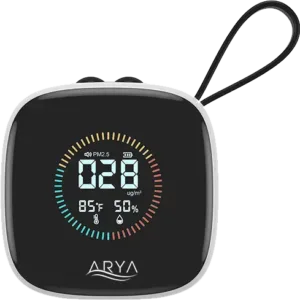
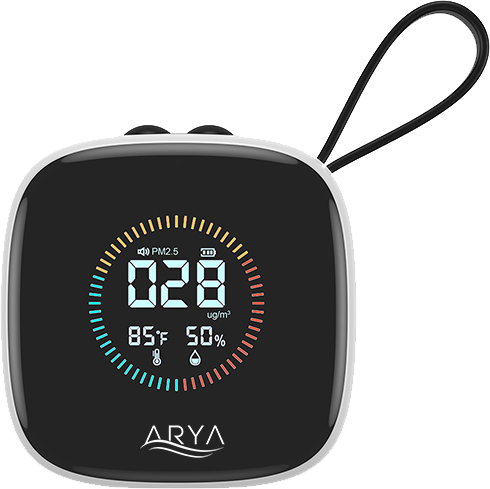
The Arya Guardian is a state-of-the-art air quality monitor designed to help individuals, especially those with COPD, track the air quality around them. By providing real-time updates on pollutants...
When you have received a COPD diagnosis, it is often followed by a prescription for medical grade oxygen. You are left feeling overwhelmed with a wealth...
Our respiratory specialists are here to help with exclusive deals, personalized recommendations, and support at every step of your journey to better breathing.









 23Jun
23Jun











Comments are closed