Battery Life 101: How to Get the Most Out of Your Portable Oxygen Machine
If you rely on a portable oxygen concentrator (POC) to manage a chronic respiratory condition, you already know how life-changing these devices can be. They give you the freedom to leave the house, travel, and go about your daily routine without being tethered to heavy tanks or wall plugs.
But just like any mobile device, whether it’s a smartphone or a laptop, battery life is crucial. Understanding your POC battery’s operation, how to extend its lifespan, and preparing for extended trips is crucial for maintaining your independence and peace of mind.
At 1st Class Medical, we work with thousands of oxygen users every year, and one of the most common concerns we hear is:
“How can I get the most out of my oxygen concentrator battery?”
This guide will answer that question and more, helping you get the most from every charge, every outing, and every breath.
Why Battery Life Matters for Oxygen Users
Whether you’re using your POC for running errands, attending family gatherings, or traveling across the country, battery life determines how long you can stay mobile without needing to recharge. Inconsistent battery performance can limit your freedom, cause anxiety, and even lead to dangerous situations if you’re caught without power.
Good battery habits = better quality of life.
The good news is that with the right approach, you can get the most out of each charge and extend your battery’s overall life. This can save you time, money, and stress.
Understanding Portable Oxygen Machine Batteries
1. Battery Types
Most POCs use lithium-ion batteries, known for their long lifespan, fast charging, and lightweight design. Many machines also offer single and double battery configurations:
Single battery: Smaller and lighter; typically offers 2–5 hours depending on settings.
Double battery: Heavier but lasts longer; 4–10+ hours of use.
Some units also allow external battery packs, giving you added runtime without replacing your internal battery.
2. Pulse Flow vs. Continuous Flow
Battery life depends heavily on the flow setting you use:
Pulse flow: Oxygen is delivered only when you inhale. This is energy-efficient and allows longer battery life.
Continuous flow: Oxygen is delivered constantly, which uses more power and shortens battery life.
If your machine allows it, switching to pulse flow when appropriate can significantly extend your battery usage.
How Long Does a Battery Really Last?
Battery runtime varies based on several factors:
Your device model
Flow setting
Battery size (single vs. double)
Device age and condition
Environmental temperature
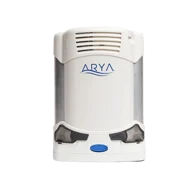
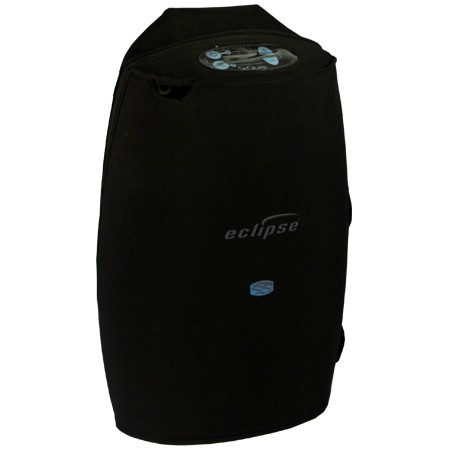
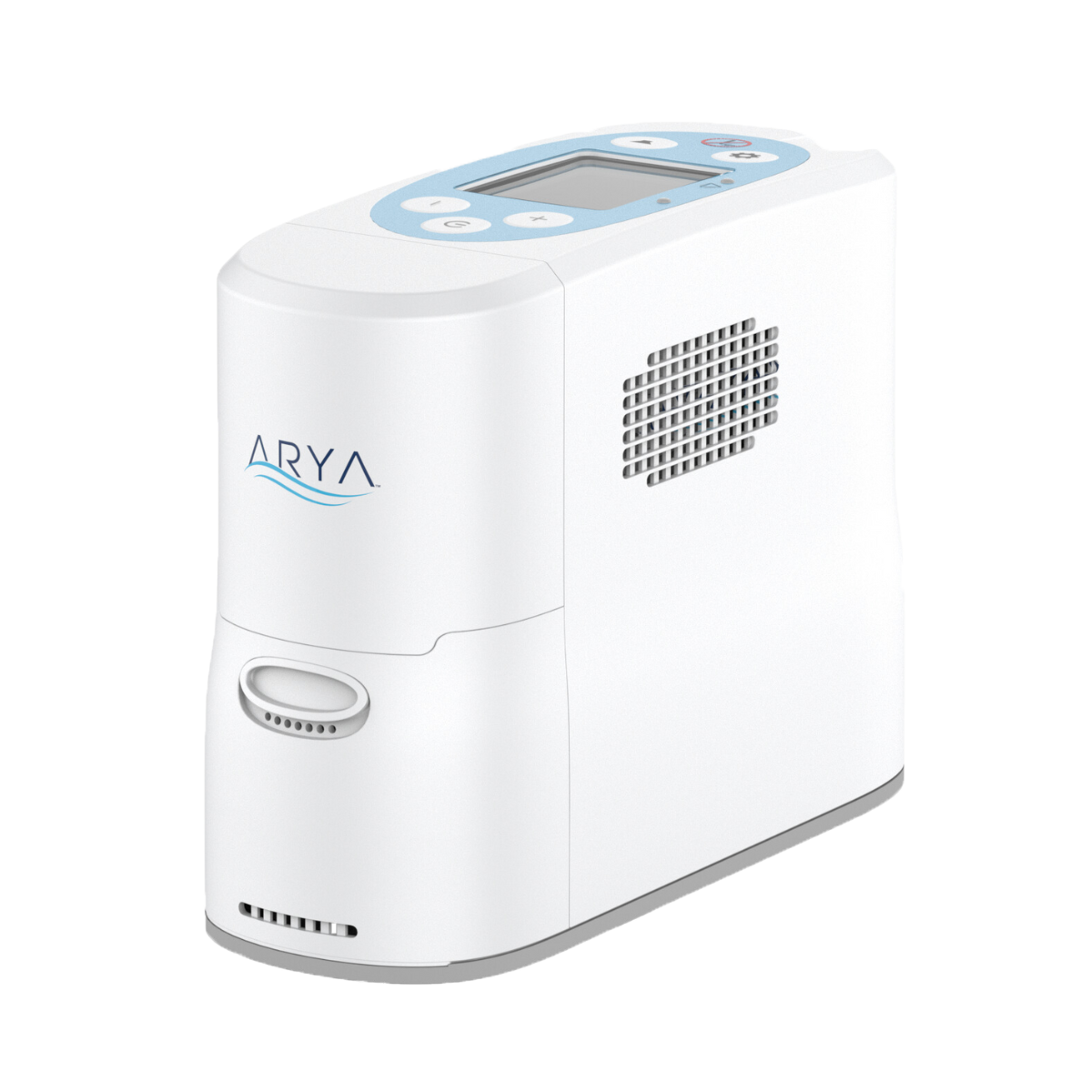
Here are approximate runtimes for popular models at pulse setting 2 (on a single battery):
Keep in mind that higher flow settings will lower these numbers a lot, sometimes even cutting your runtime in half or more.
10 Tips to Maximize Battery Life Per Charge
If you want to make the most out of every charge, here are proven ways to stretch your battery’s performance:
1. Use the Lowest Effective Flow Setting
If your doctor has approved a range of oxygen settings, use the lowest one that still meets your oxygen saturation needs. Lower settings consume less battery, allowing longer use on the go.
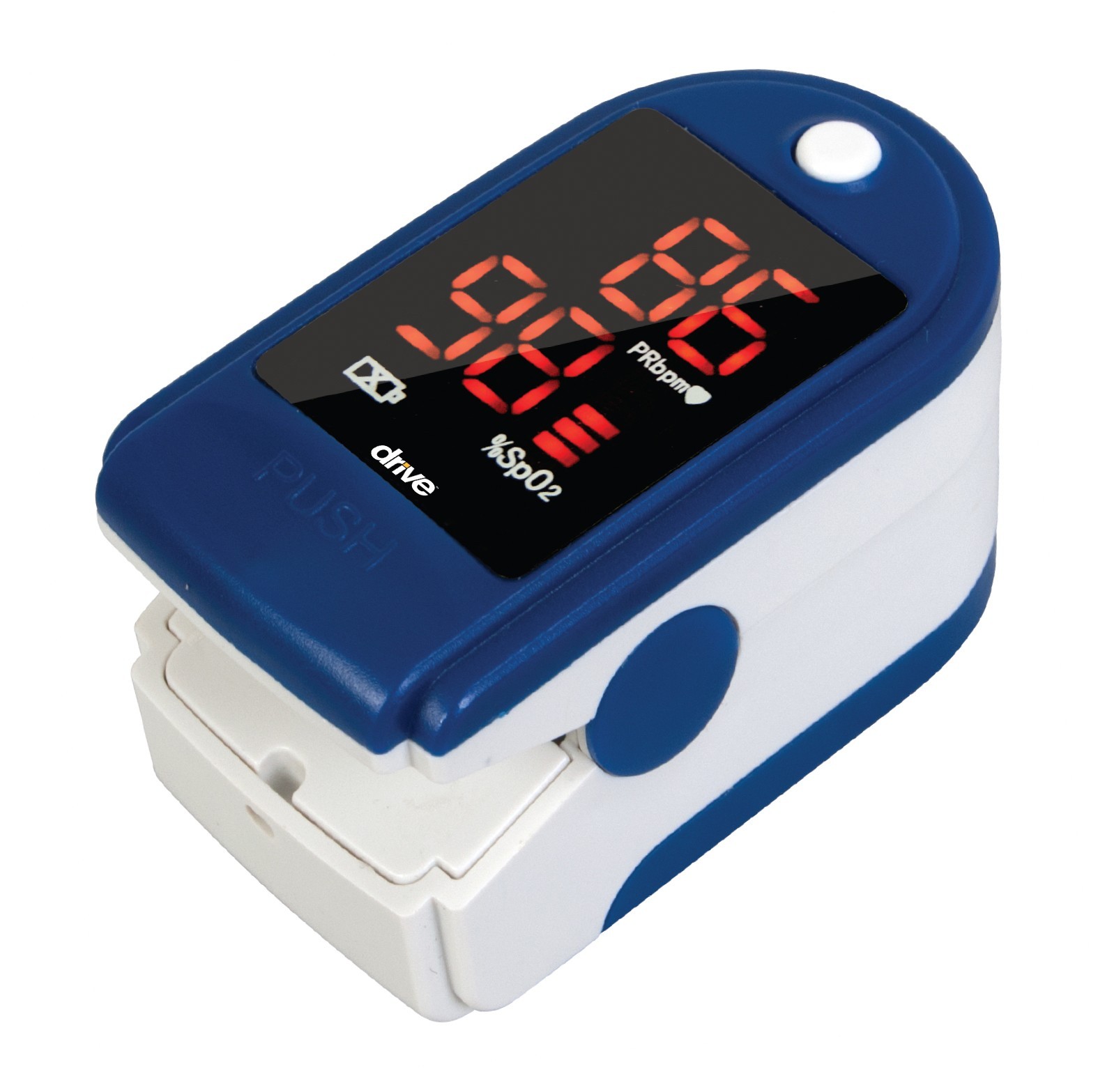
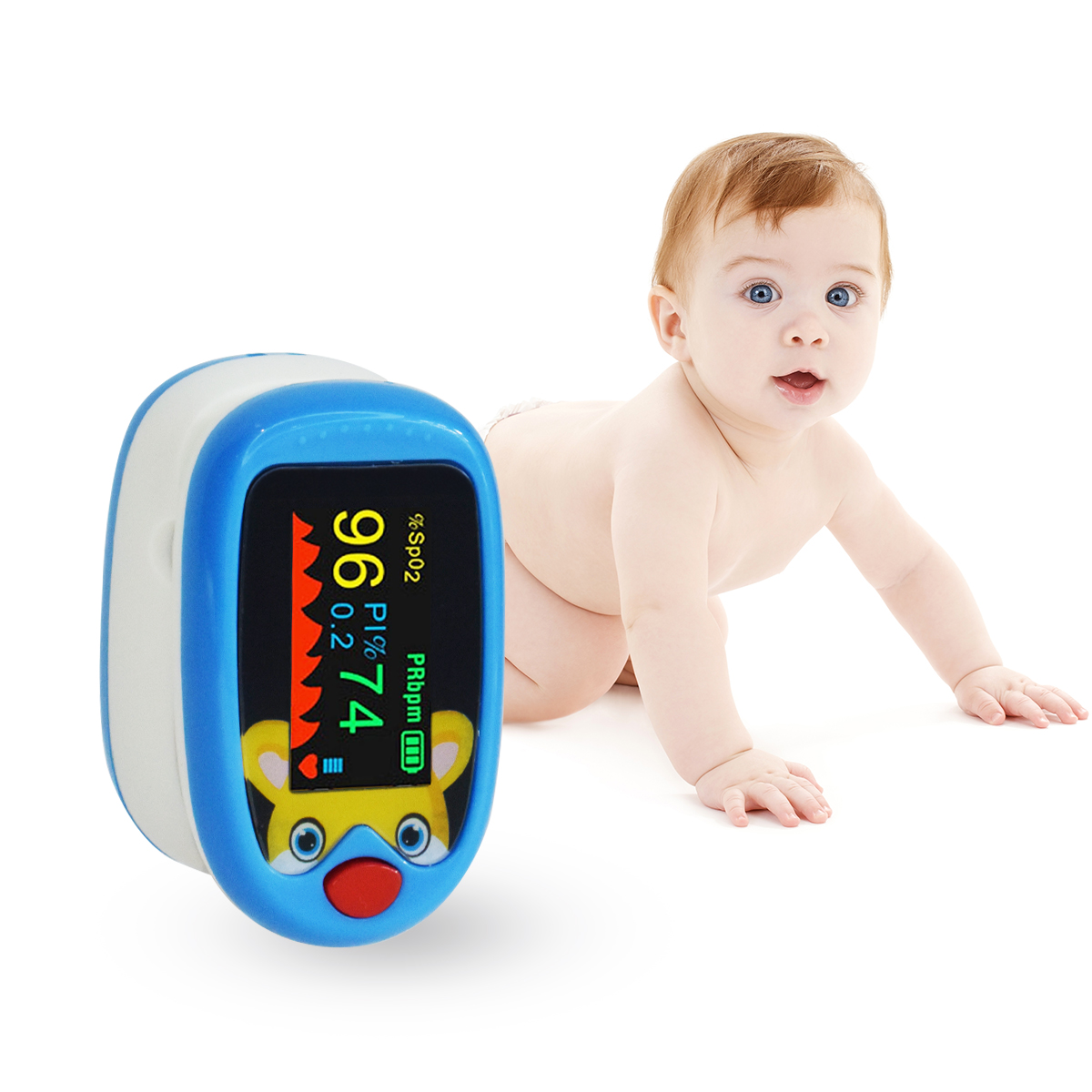
Pro tip: Monitor your oxygen levels with a pulse oximeter to ensure safety.
2. Choose Pulse Flow Over Continuous Flow (If Safe)
Pulse flow uses much less battery. If your health and activity level allow, choose pulse flow instead of continuous flow whenever you can, especially when you are sitting or resting.
3. Carry a Fully Charged Spare Battery
Even if your main battery offers decent runtime, always bring a backup, especially for longer outings. Keeping a spare battery fully charged gives you peace of mind and prevents emergency situations.
4. Charge Early and Often
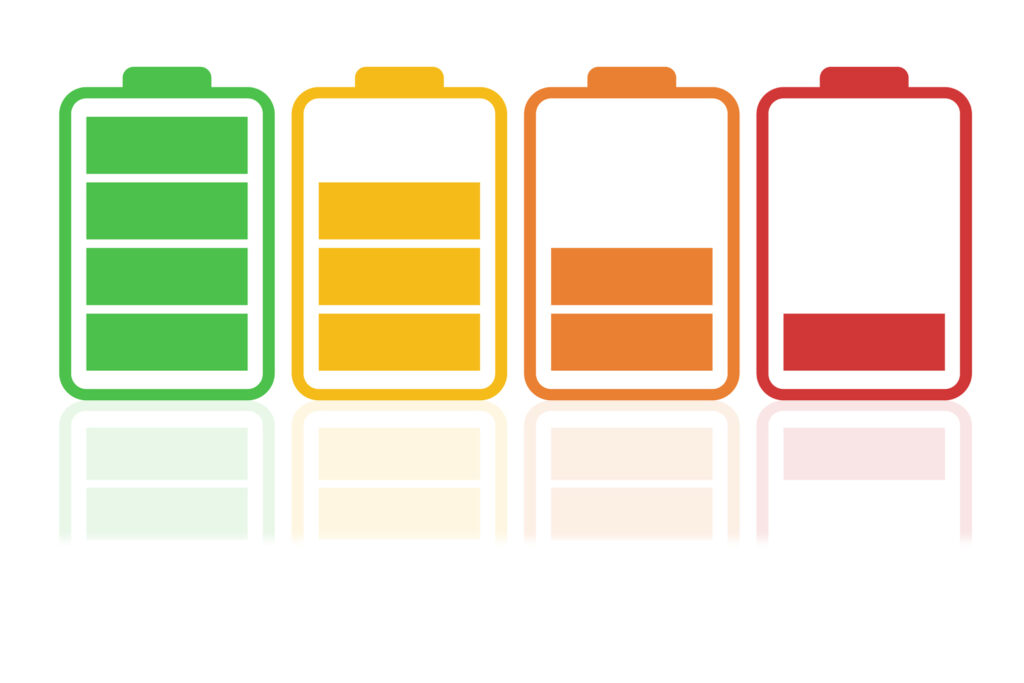
Try not to let your battery drain all the way to zero before charging. Lithium-ion batteries last longer if you charge them before they are completely empty. It’s best to plug in when you reach about 20 to 30 percent to help your battery last longer.
5. Use DC Power in the Car
Most modern POCs include a DC power adapter for use in vehicles. Plug into your car’s outlet during drives to preserve battery life and charge on the go.
Some machines can run and charge simultaneously in the car, making road trips a breeze.
6. Keep Your Battery Cool
Batteries are sensitive to extreme heat and cold. Avoid leaving your machine or spare battery in:
Hot cars
Direct sunlight
Freezing temperatures
Ideal storage temp is between 50°F and 85°F.
Excessive heat = shorter battery life and potential performance issues.
7. Turn Off When Not in Use
If you are not using your concentrator, like when you take a break or switch to stationary oxygen, turn off the device to save energy.
8. Adjust Alerts and Display Settings
Some machines have brightness controls or audible alert volume that can be adjusted. While these features don’t consume massive power, tweaking them may help squeeze out a little extra runtime on a long day.
9. Update Software (If Available)
Some oxygen concentrators allow for firmware or software updates that improve efficiency or battery use. Check with your device manufacturer or oxygen provider (like us at 1st Class Medical) to stay current.
10. Know Your Battery’s Age
Lithium-ion batteries typically last 300–500 full charge cycles, or about 1.5–3 years with regular use. If your battery seems to be draining faster than it used to, it may be time for a replacement.
At 1st Class Medical, we can help you test, replace, or upgrade your batteries when needed.
How to Maximize Overall Battery Lifespan
Want your batteries to last years instead of months? Follow these tips for long-term care:
Avoid letting your battery fully discharge. Try to recharge before it reaches zero percent.
If you will not use a battery for a while, store it at about 50 percent charge.
Keep batteries away from heat. Never leave them in hot cars or direct sunlight.
Use your batteries regularly. They work best when they are used and recharged often.
If you have two batteries, switch between them to make sure they wear evenly.
Travel Smart: Battery Tips for Flying with Oxygen
Planning air travel? You’ll want to know the FAA regulations on portable oxygen batteries:
Airlines require you to carry 150% of your expected flight time in battery life.
For a 4-hour flight, you’ll need 6 hours of battery power.
Bring printouts of your battery specs and device approval letters.
Only FAA-approved POCs are allowed on flights. All machines sold by 1st Class Medical meet this standard.
Need help calculating how many batteries you’ll need for a trip? Our team can walk you through it.
When to Consider a Battery Upgrade
If you’re limited by short battery life or tired of carrying multiple spare batteries, it might be time to consider an upgrade.
Consider a more efficient machine with longer runtime
We carry a range of concentrators with industry-leading battery performance. Talk to one of our oxygen specialists to explore your options.
Why Buy from 1st Class Medical?
We do more than just sell oxygen equipment. We build lasting relationships with our customers. When you shop with us, you get:
Expert guidance on battery choices and accessories
Free lifetime technical support
In-home and travel tips for oxygen users
30-day risk-free trial on many units
Price match guarantee
We want your oxygen solution to be reliable, affordable, and empowering, wherever life takes you.
Final Thoughts
Your portable oxygen concentrator is a lifeline, and your battery is what lets you take it with you. By learning how your battery works and following a few simple habits, you can boost your independence, lower your stress, and enjoy more freedom.
Have questions about battery performance, upgrades, or which concentrator is right for your lifestyle?
Living with COPD means paying attention to many aspects of your health, from medication schedules to breathing exercises. But there’s another powerful tool in your respiratory...
When it comes to portable oxygen therapy, finding the perfect balance of performance, portability, and price can feel impossible. Too often, oxygen users are forced...
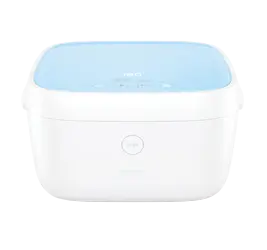
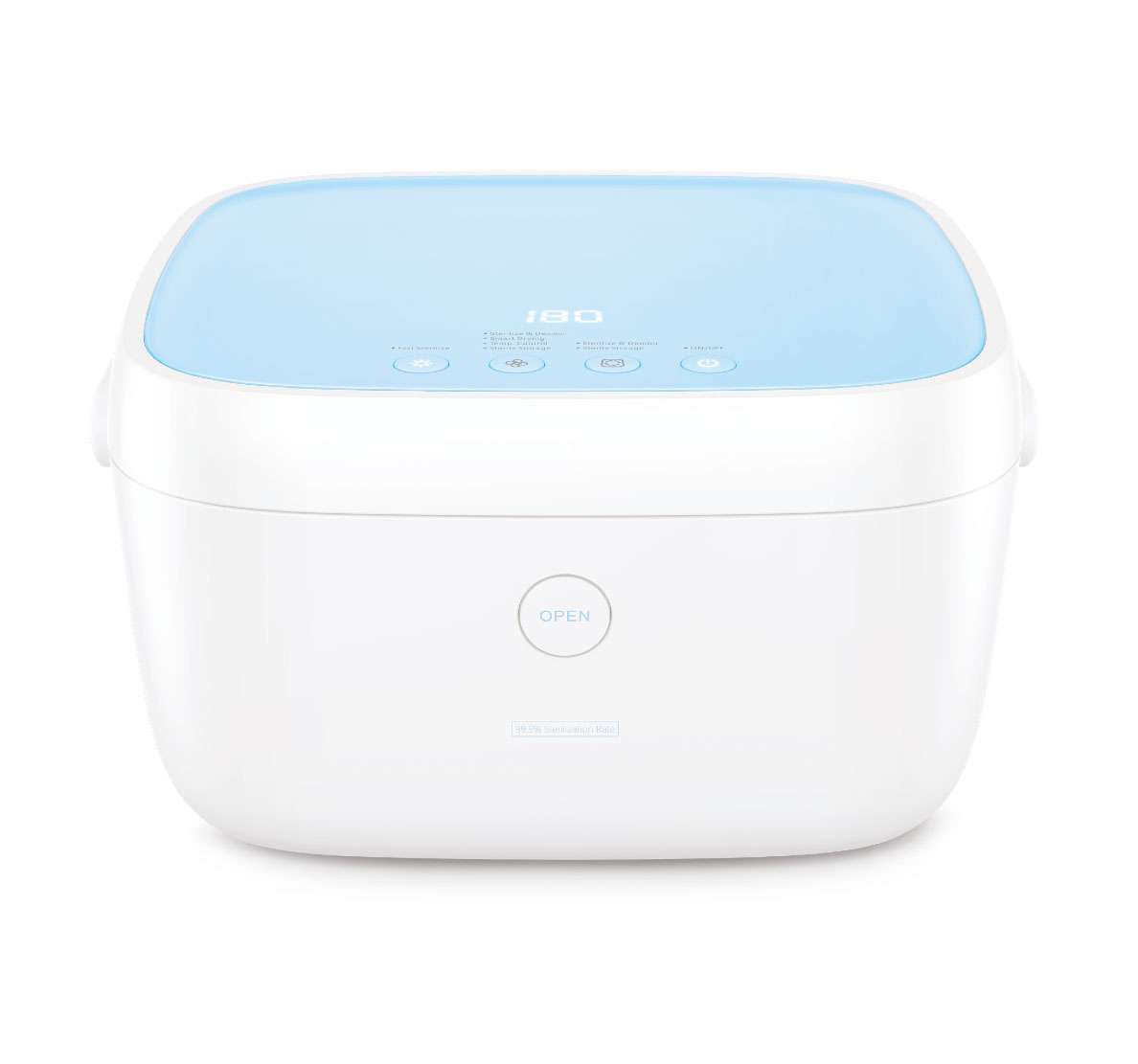
Introducing the Liviliti Paptizer UVC LED Smart CPAP Sanitizer, a highly advanced and innovative device crafted to provide reassurance by keeping your personal items free from germs....
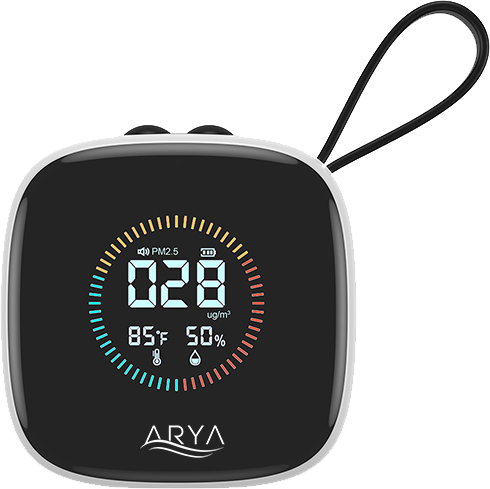
The Arya Guardian is a state-of-the-art air quality monitor designed to help individuals, especially those with COPD, track the air quality around them. By providing real-time updates on pollutants...
Traveling with a CPAP (Continuous Positive Airway Pressure) machine can occasionally present some challenges, particularly when you’re trying to maintain your sleep apnea treatment regimen...
Our respiratory specialists are here to help with exclusive deals, personalized recommendations, and support at every step of your journey to better breathing.










 23Jun
23Jun















Comments are closed