Foods to Avoid When You Have COPD (And What to Eat Instead)
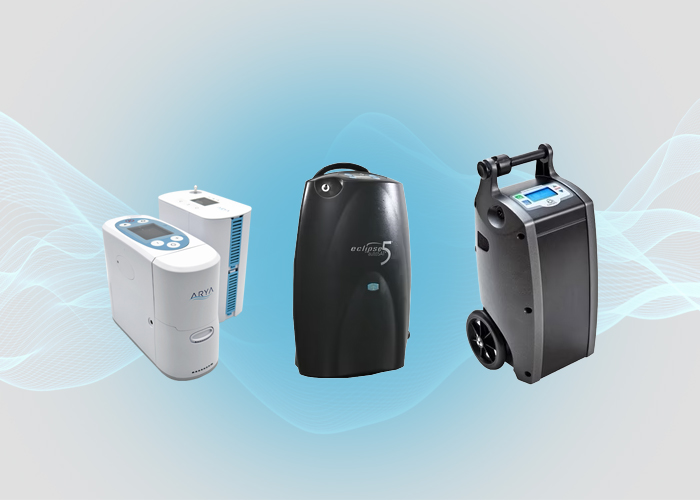
Introduction Most people know that COPD is a lung disease, but fewer realize how closely what you eat is tied to how well you breathe. While tools like portable oxygen concentrators can help manage symptoms and improve mobility, your daily diet also plays a major role. The connection between nutrition and COPD symptoms is well-established, and making targeted changes to what’s on your plate can help reduce breathlessness, maintain a healthy weight, and support better lung function.
The good news is that eating well with COPD does not require a complicated diet overhaul. It mostly comes down to understanding which foods make your symptoms worse and what to choose instead.
Let’s start with what to limit or avoid.
Foods to Limit or Avoid With COPD
Salty and Processed Foods: Excess sodium causes the body to retain water, which can lead to bloating and fluid buildup, including around the lungs. This puts added pressure on already compromised breathing. Processed meats, canned soups, frozen meals, and fast food are particularly high in sodium. Try seasoning food with herbs, lemon juice, or salt-free spice blends instead.
Carbonated Beverages: Fizzy drinks such as sodas, sparkling water, and carbonated juice fill your stomach with gas, which presses upward against the diaphragm and makes breathing harder. For COPD patients who already experience chest tightness, this can noticeably worsen breathlessness after meals. Still water, herbal teas, and diluted fruit juices are better choices.
Cruciferous Vegetables (in Large Amounts): Vegetables like broccoli, cauliflower, cabbage, and Brussels sprouts are nutritious but can also cause gas during digestion. For COPD patients, this can increase bloating and add pressure to the lungs. This does not mean eliminating them entirely. Small portions cooked thoroughly are generally better tolerated than large raw servings.
Fried and Heavily Fatty Foods: High-fat, fried foods take longer to digest and can trigger acid reflux, a condition that is already more common in COPD patients. Reflux can cause stomach acid to irritate the airways, worsening coughing and breathlessness. Limiting deep-fried foods, heavy cream sauces, and greasy fast food is a good step for respiratory comfort.
Simple Carbohydrates and Sugary Foods: White bread, pastries, white rice, sugary cereals, and candy cause rapid spikes in blood sugar, followed by crashes that leave you feeling tired and sluggish. More relevant to COPD, carbohydrates produce more carbon dioxide as they are metabolized than proteins or fats. For patients with compromised lungs that already struggle to expel CO2, a diet heavy in simple carbs can increase respiratory effort. This does not mean avoiding all carbohydrates. It means choosing complex carbs with fiber, like whole grains, legumes, and vegetables, which digest more slowly.
Cold or Very Hot Foods and Beverages: Extreme temperatures can trigger airway spasms and coughing in COPD patients. Very cold drinks, ice cream, and very hot liquids are common offenders. Aim for foods and beverages at moderate temperatures.
What to Eat More Of
Now for the good news. There is plenty of genuinely delicious food that supports lung health and overall well-being for COPD patients.
Lean Proteins: Chicken, turkey, fish, eggs, and legumes provide the amino acids needed to maintain and build muscle, including the respiratory muscles involved in breathing. Protein also produces less CO2 during metabolism than carbohydrates, making it a better energy source for people managing COPD.
Healthy Fats: Avocado, olive oil, nuts, and fatty fish like salmon are rich in omega-3 fatty acids and healthy monounsaturated fats. These support anti-inflammatory processes in the body and produce relatively little CO2 during digestion.
Colorful Fruits and Vegetables: Berries, leafy greens, bell peppers, tomatoes, and citrus fruits are packed with antioxidants and vitamins, particularly vitamin C and vitamin E, that help protect lung tissue from oxidative damage. Antioxidant-rich diets are consistently associated with better lung function in research on COPD and aging.
Whole Grains: Oats, quinoa, brown rice, and whole wheat bread provide sustained energy without the blood sugar spikes of refined carbohydrates. They also support digestive health and help maintain a healthy weight.
Plenty of Water: Staying well hydrated helps keep mucus in the airways thinner and easier to clear, which is a practical and often overlooked benefit for COPD patients who frequently deal with excess mucus production.
Managing Meal Size and Timing
Beyond what you eat, how you eat matters too. Large meals cause the stomach to expand and push against the diaphragm, limiting lung capacity and increasing the sensation of breathlessness after eating.
Many COPD patients do better with smaller, more frequent meals, such as five or six lighter meals throughout the day rather than two or three large ones. Eating slowly, chewing thoroughly, and resting after meals can also help.
If breathlessness during meals is a consistent problem, eating while sitting upright rather than reclined can make a noticeable difference.
Maintaining a Healthy Weight
Both underweight and overweight can be problematic for COPD patients, though for different reasons. Being overweight increases the workload on the lungs and heart, while being underweight means the body lacks the reserves needed to sustain respiratory muscle function.
If maintaining a healthy weight is a challenge, working with a registered dietitian who has experience with respiratory conditions can be very helpful. They can tailor a nutrition plan that meets caloric and nutritional needs without worsening symptoms.
Final Thoughts
Diet is one of the most accessible tools COPD patients have for managing their symptoms and supporting overall health. Along with home oxygen and portable oxygen concentrators, small, consistent changes such as reducing sodium and carbonated drinks, choosing lean proteins and healthy fats, and eating smaller meals can lead to real improvements in how you feel day to day.
At 1st Class Medical, we believe managing COPD goes beyond equipment. Daily habits, including what you eat, play a big role in how you feel. We hope this guide helps you breathe a little easier each day.
If you or your loved one needs oxygen therapy, contact us today at 800-520-5726. We are here to help you or guide you on your journey to better breathing.
Chronic Obstructive Pulmonary Disease (COPD) is a serious, progressive lung condition that makes breathing increasingly difficult. Millions of people live with COPD, and many do...
1355Comments Off on Understanding COPD: Symptoms, Causes, and Management with Oxygen Therapy Solutions
By 1st Class Medical Portable oxygen concentrators (POCs) can make a big difference for people who need extra oxygen, giving you more freedom and independence....
2791Comments Off on Prescriptions & Requirements for Portable Oxygen Concentrators
Our respiratory specialists are here to help with exclusive deals, personalized recommendations, and support at every step of your journey to better breathing.








 19Aug
19Aug

















Comments are closed