How Supplemental Oxygen Helps You Stay Active, Sleep Better, and Live Fuller
Introduction
When most people think of supplemental oxygen, they picture a stationary machine tucked in a corner of a hospital room. But the reality of modern oxygen therapy is something quite different — and for the millions of Americans living with COPD, emphysema, pulmonary fibrosis, and other respiratory conditions, it’s a reality that’s changing lives.
Today’s oxygen therapy options are portable, quiet, and designed to fit into everyday routines. More importantly, the benefits extend far beyond keeping oxygen levels in a safe range. Supplemental oxygen can help you stay more active, sleep more soundly, and experience a fuller, more engaged life.
Here’s how:
Staying Active: Oxygen as a Tool for Movement
One of the most frustrating aspects of chronic lung disease is the way it restricts physical activity. When oxygen levels drop during exertion, the body’s response is immediate — breathlessness, fatigue, and often a rapid heart rate that forces you to stop and rest.
For many patients, this cycle leads to a gradual retreat from physical activity. And that retreat, while understandable, makes COPD worse over time. Physical deconditioning weakens the respiratory and cardiovascular systems, reduces muscle mass, and makes everyday tasks feel even more difficult.
Supplemental oxygen during activity breaks this cycle. By maintaining adequate oxygen saturation during movement, it reduces the breathlessness that stops you in your tracks. Research shows that COPD patients who use oxygen during exercise can walk farther, sustain activity longer, and recover more quickly.
This isn’t just about exercise for the sake of fitness. It’s about being able to walk through a grocery store, climb stairs, play with your grandchildren, or take a walk on a beautiful afternoon — the moments that make life meaningful.
Better Sleep: The Overnight Oxygen Difference
Sleep is one of the most overlooked aspects of COPD management — and one of the most impactful. Many COPD patients experience nocturnal desaturation, in which oxygen levels drop significantly during sleep, particularly during REM sleep, when breathing naturally slows.
The consequences of poor overnight oxygenation are wide-ranging. Patients wake more frequently, experience poor-quality sleep, and often wake with headaches, grogginess, or a sense of not having rested at all. Over time, chronic sleep disruption contributes to elevated blood pressure, weakened immune function, and worsened mood and cognition.
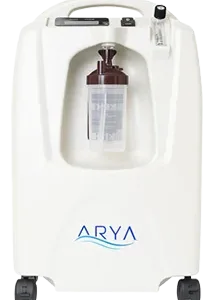
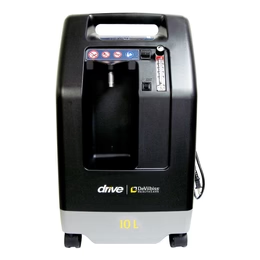
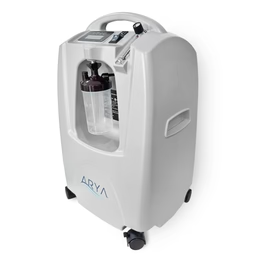
Using a home oxygen concentrator overnight, or a portable unit with a continuous-flow setting helps maintain stable oxygen levels throughout the night. Patients who begin nighttime oxygen therapy frequently report dramatic improvements in sleep quality almost immediately.
Better sleep doesn’t just feel good. It reduces daytime fatigue, supports cardiovascular health, improves mental clarity, and gives your body the overnight restoration it needs to face each new day.
Living Fuller: The Emotional and Social Benefits
Chronic illness has a way of shrinking life. Social outings become harder. Travel feels impossible. Activities that once brought joy start to feel out of reach. For COPD patients, much of this contraction is driven by fear — fear of not having oxygen, of becoming breathless in public, of being far from help.
Portable oxygen concentrators directly address that fear. Knowing that you have a reliable, FAA-approved oxygen source with you wherever you go changes the emotional calculus of living with COPD. Patients report feeling more confident, more willing to make plans, and less consumed by anxiety about their condition.
This renewed confidence leads to real changes in daily life. More social connections. More willingness to travel and explore. More participation in the activities and relationships that give life richness and meaning.
One patient put it simply: ‘I stopped saying no to everything.’ That’s not a small thing — that’s life.
The Cognitive Lift
Brain fog is a common but underappreciated symptom of low oxygen levels. When the brain isn’t receiving adequate oxygen, thinking slows, memory falters, and the effort of concentration becomes exhausting. Many COPD patients assume these cognitive changes are simply part of aging — but low oxygen is often a significant contributing factor.
Consistent supplemental oxygen therapy supports brain function by keeping oxygen levels in the range the brain needs to work well. Many patients notice improvements in mental sharpness, focus, and mood relatively quickly after beginning or optimizing oxygen therapy.
Clearer thinking means more engagement with the world — better conversations, more capacity for hobbies and interests, and a greater sense of presence in your own life.
Choosing the Right Oxygen Solution for Your Life
The right oxygen therapy setup depends on your prescription, your lifestyle, and the activities that matter most to you. For many patients, a combination approach works best: a portable concentrator for daytime use and a home unit for overnight.
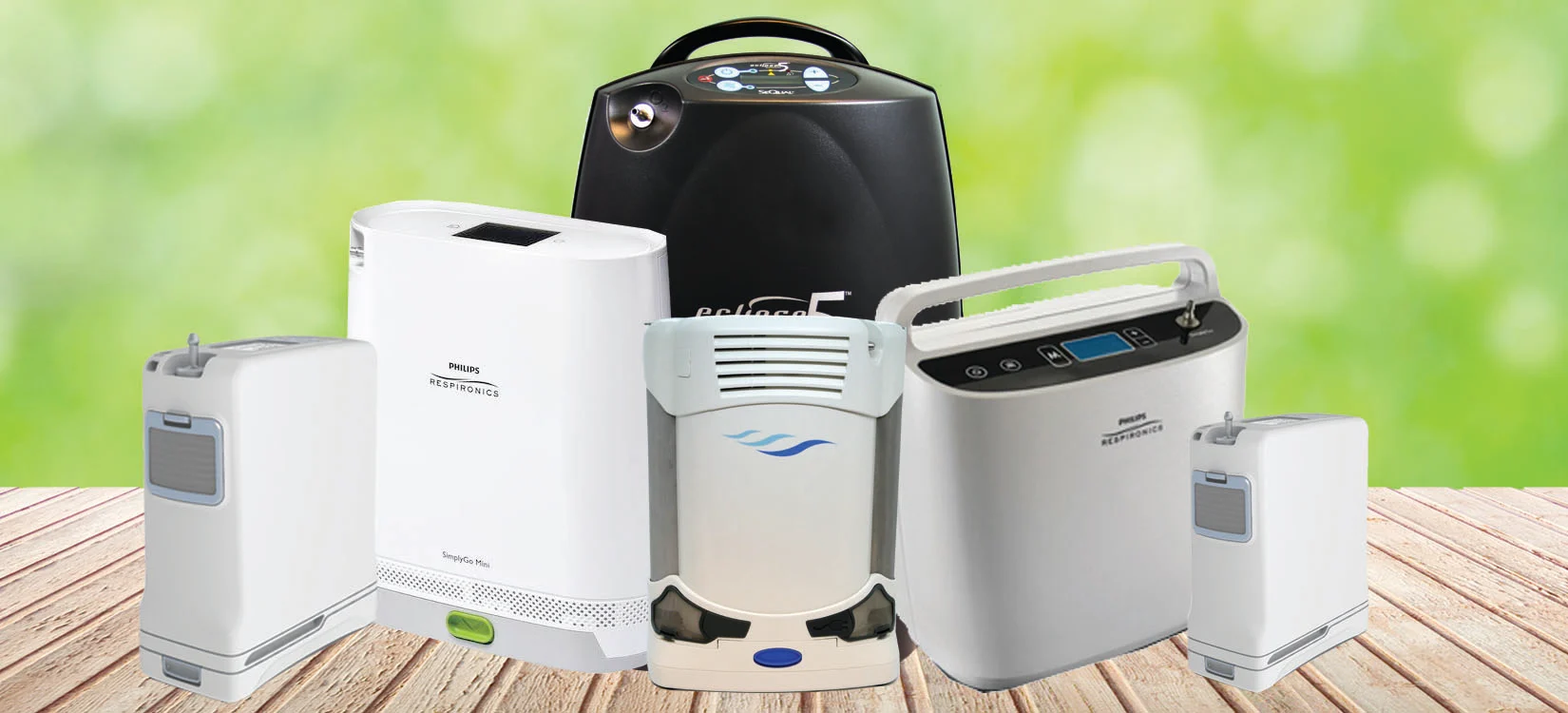
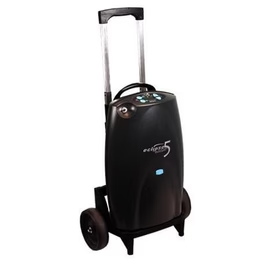
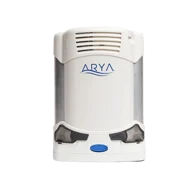
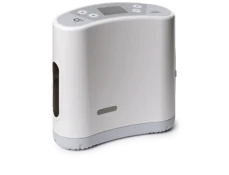
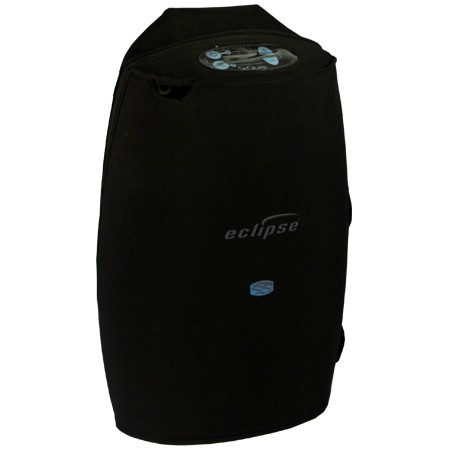
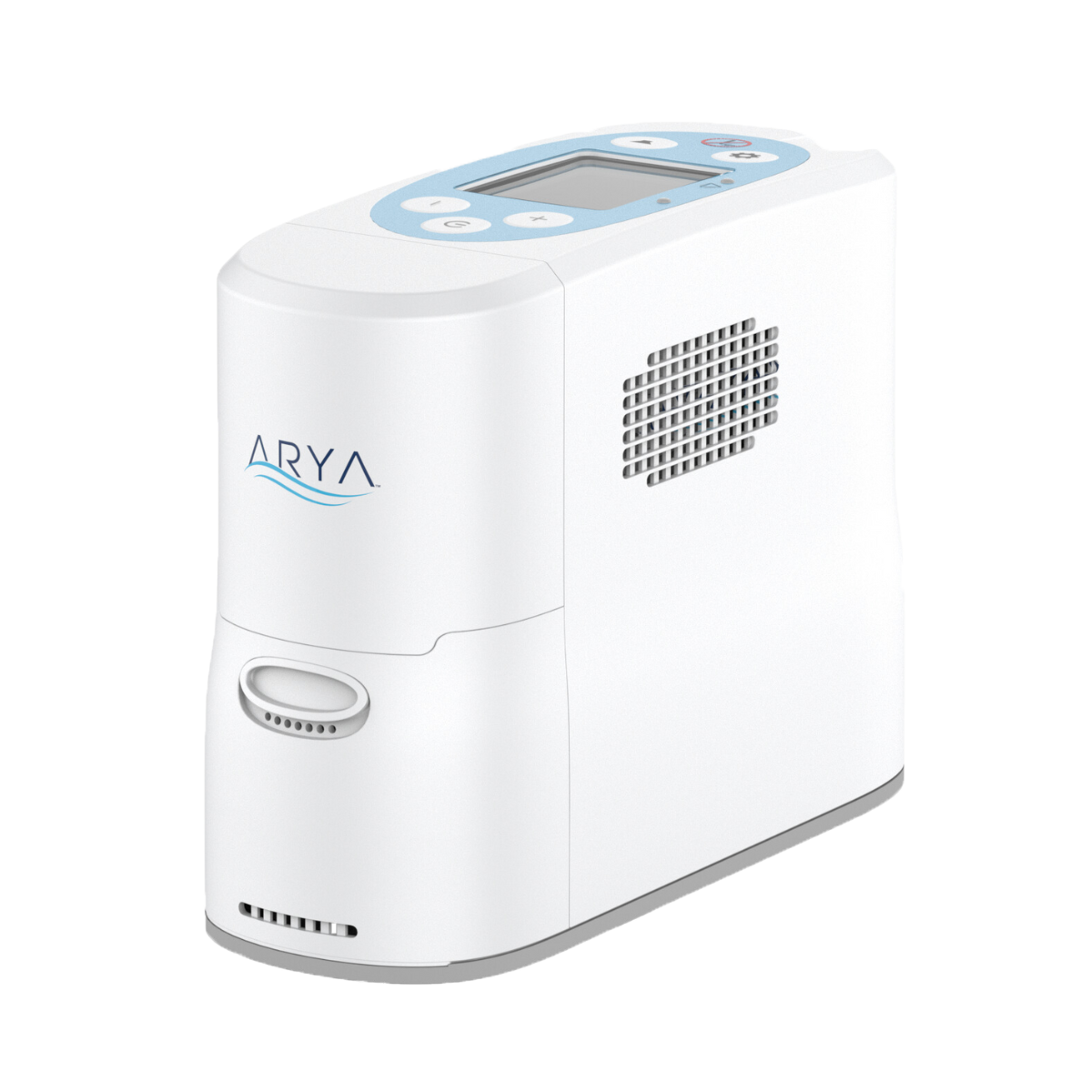
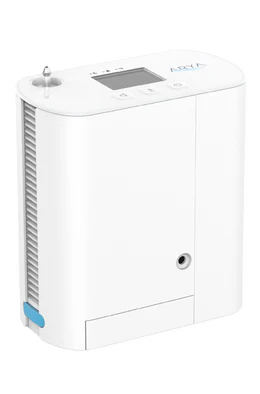
Modern portable concentrators are lighter and more capable than ever. Many weigh under five pounds, run for hours on battery power, and are approved for use on commercial flights. They’re designed to go where you go — and to be as unobtrusive as possible while doing it.
Working with a knowledgeable supplier is key. The right equipment should fit your prescription requirements and your actual life — not just a clinical checklist.
Final Thoughts
Supplemental oxygen is more than a medical necessity for many COPD patients — it’s a pathway to reclaiming the life that chronic illness can gradually take away. By supporting activity, improving sleep, and reducing the anxiety of living with a breathing condition, the right oxygen therapy solution can genuinely transform day-to-day experience.
At 1st Class Medical, we specialize in helping patients find the portable and home oxygen solutions that fit their real lives. Our team understands what it means to live with a respiratory condition — and we’re committed to making the equipment side of it as simple and supportive as possible.
Because breathing better isn’t just about survival. It’s about living well.
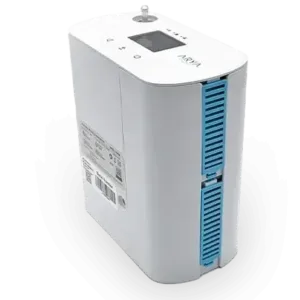
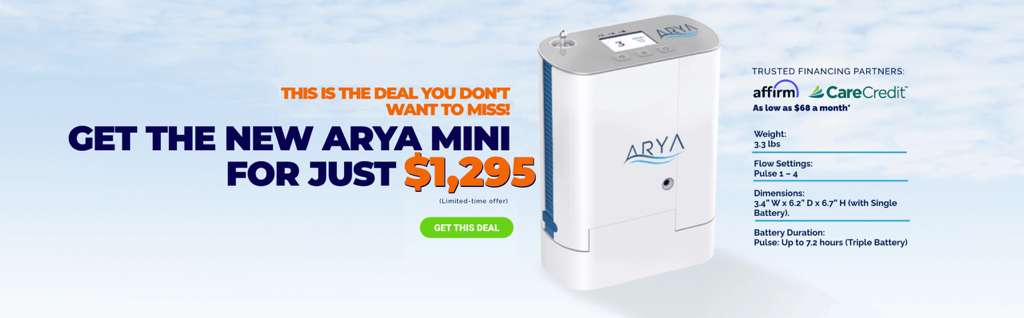
When it comes to portable oxygen therapy, finding the perfect balance of performance, portability, and price can feel impossible. Too often, oxygen users are forced...
When you have received a COPD diagnosis, it is often followed by a prescription for medical grade oxygen. You are left feeling overwhelmed with a wealth...
Our respiratory specialists are here to help with exclusive deals, personalized recommendations, and support at every step of your journey to better breathing.






 23Jun
23Jun









Comments are closed