Is COPD Hereditary? What Family History Really Means
Chronic Obstructive Pulmonary Disease (COPD) is a long-term lung condition that affects millions of people around the world. Most often, it’s linked to smoking, environmental factors, or certain jobs. But can genetics play a role? Many people wonder if COPD can be inherited and what to look out for if it runs in their family.
At 1st Class Medical, we believe that knowing your health risks helps you take steps to protect your lungs. In this article, we’ll look at the genetic link to COPD, how family history can raise your risk, and what to watch for if COPD runs in your family.
What Is COPD?
COPD is an umbrella term used to describe progressive lung diseases that obstruct airflow and make breathing difficult. The two most common conditions that fall under COPD are:
Chronic bronchitis is characterized by long-term inflammation of the airways and excessive mucus production
Emphysema, which involves damage to the air sacs (alveoli) in the lungs, reduces oxygen exchange
Common symptoms of COPD include shortness of breath, chronic cough, wheezing, chest tightness, and frequent respiratory infections. Symptoms typically worsen over time, especially without proper management.
Is COPD Genetic?
The Short Answer: Yes—Sometimes
Smoking is still the main cause of COPD, but genetics can also play a role in some cases. Some people get COPD even if they have never smoked, while others who do smoke never develop it. This difference has led researchers to look at how genetics might affect a person’s risk.
The most well-known genetic link to COPD is a condition called Alpha-1 Antitrypsin Deficiency (AATD).
Alpha-1 Antitrypsin Deficiency: The Genetic Connection
What Is Alpha-1 Antitrypsin?
Alpha-1 antitrypsin (AAT) is a protein produced by the liver that helps protect the lungs from damage caused by inflammation and environmental irritants. People with Alpha-1 Antitrypsin Deficiency do not make enough of this protein or make a version that does not work properly.
How AATD Leads to COPD
Without adequate alpha-1 antitrypsin, lung tissue becomes vulnerable to damage. Over time, this can result in early-onset emphysema and COPD, sometimes as early as a person’s 30s or 40s—much younger than typical COPD cases.
AATD is inherited, so it is passed from parents to children through their genes. People who get faulty genes from both parents have the highest risk, but even those with just one faulty gene can have lung problems, especially if they are exposed to smoke or air pollution.
Family History and COPD Risk
Even if you don’t have a diagnosed genetic condition like AATD, having family members with COPD can still raise your risk. This can happen because of red genetic traits affecting lung development or inflammation
Similar environmental exposures (such as secondhand smoke or air pollution)
Lifestyle factors are passed through generations
Studies show that people with close relatives who have COPD may be more likely to get lung damage from the same irritants that don’t affect others as much.
Signs to Watch for If COPD Runs in Your Family
If a parent, sibling, or close relative has COPD, it’s important to watch for early warning signs, even if you have never smoked or have had little exposure to known risks.
1. Persistent Shortness of Breath
Feeling out of breath during everyday activities, like climbing stairs or walking short distances, can be an early sign of reduced lung function.
2. Chronic Cough
A cough that lasts for months or years, especially if it brings up mucus, should not be ignored, even if it seems mild.
3. Frequent Respiratory Infections
Getting bronchitis, pneumonia, or other chest infections may often be a sign that your lungs are more vulnerable.
4. Wheezing or Chest Tightness
Wheezing that you can’t explain or feeling tightness in your chest can mean your airways are blocked or inflamed.
5. Fatigue and Reduced Exercise Tolerance
Low oxygen levels can make you feel tired all the time and make it hard to stay active.
Noticing these symptoms early lets you get checked and make changes that could slow down the disease.
The Role of Smoking and Environmental Factors
Even if you have a genetic risk, things in your environment often decide whether you get COPD and how serious it is.
Smoking and Secondhand Smoke
Smoking causes lung damage much faster in people with genetic risks. For those with AATD or a family history of COPD, even a short period of smoking can have serious effects.
Occupational Exposures
Exposure to dust, fumes, chemicals, or industrial pollution over a long period increases the risk of COPD, especially for people with inherited risk factors.
Air Pollution
Bad air quality, whether indoors or outdoors, can worsen lung inflammation over time. This includes breathing in smoke from wood stoves or cooking in poorly ventilated areas.
Should You Consider Genetic Testing?
If many people in your family have had COPD, especially if they were diagnosed young or never smoked, you might want to talk to your doctor about genetic testing for Alpha-1 Antitrypsin Deficiency.
Genetic testing can:
Help explain unexplained respiratory symptoms
Identify at-risk family members
Encourage earlier monitoring and lifestyle changes
Not everyone needs genetic testing, but knowing your inherited risk can help you make better health choices.
Protecting Your Lung Health If You’re at Higher Risk
Even if you have a genetic risk, there are many things you can do to protect your lungs and keep a good quality of life.
Avoid Smoking Completely
If you have a family history of COPD, not smoking is one of the best choices you can make. Try to stay away from secondhand smoke too, whenever you can.
Monitor Your Respiratory Health
Regular checkups, lung tests, and paying attention to early symptoms can help you catch changes before they become serious.
Reduce Environmental Exposures
Wear protective gear when working around dust or chemicals, improve the air quality in your home, and try to spend less time in areas with high air pollution.
Staying active with regular exercise helps keep your lungs strong, improves blood flow, and supports your breathing and respiratory health.
Keep Vaccinations Up to Date
Respiratory infections can be especially risky for people at risk of COPD. Getting vaccines like the flu shot and pneumonia vaccine can help prevent problems.
Living Proactively With a Family History of COPD
Having COPD in your family does not mean you will definitely get it. While genetics can increase your risk, your environment and lifestyle matter a lot too. Knowing your risk helps you take steps to prevent problems before symptoms get worse.
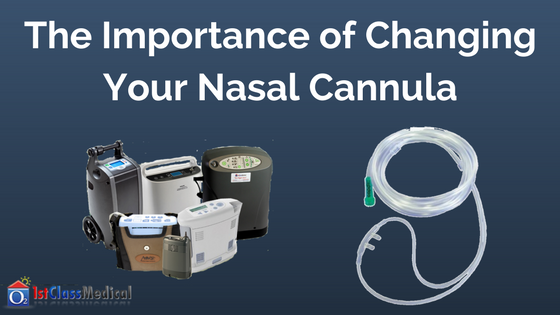
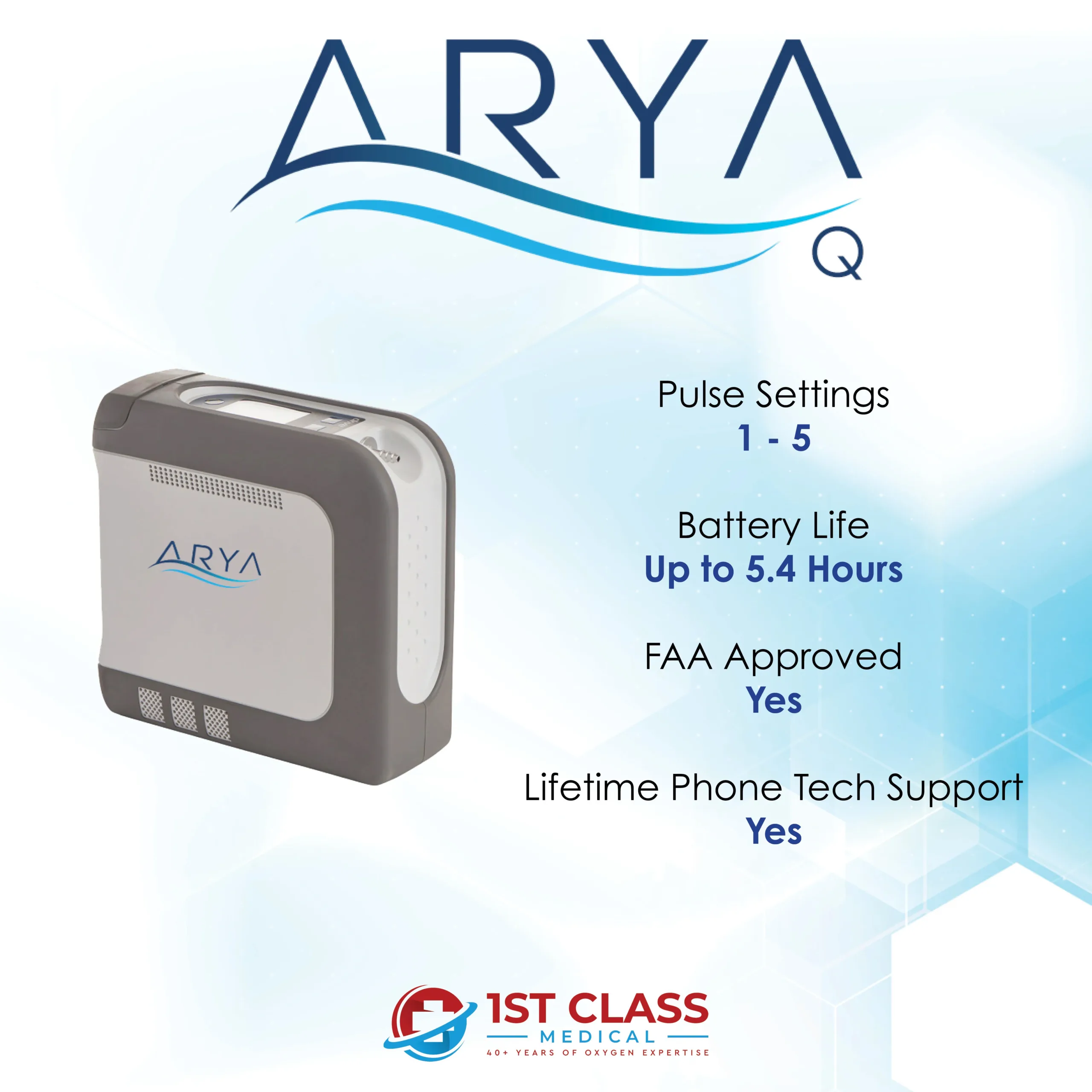
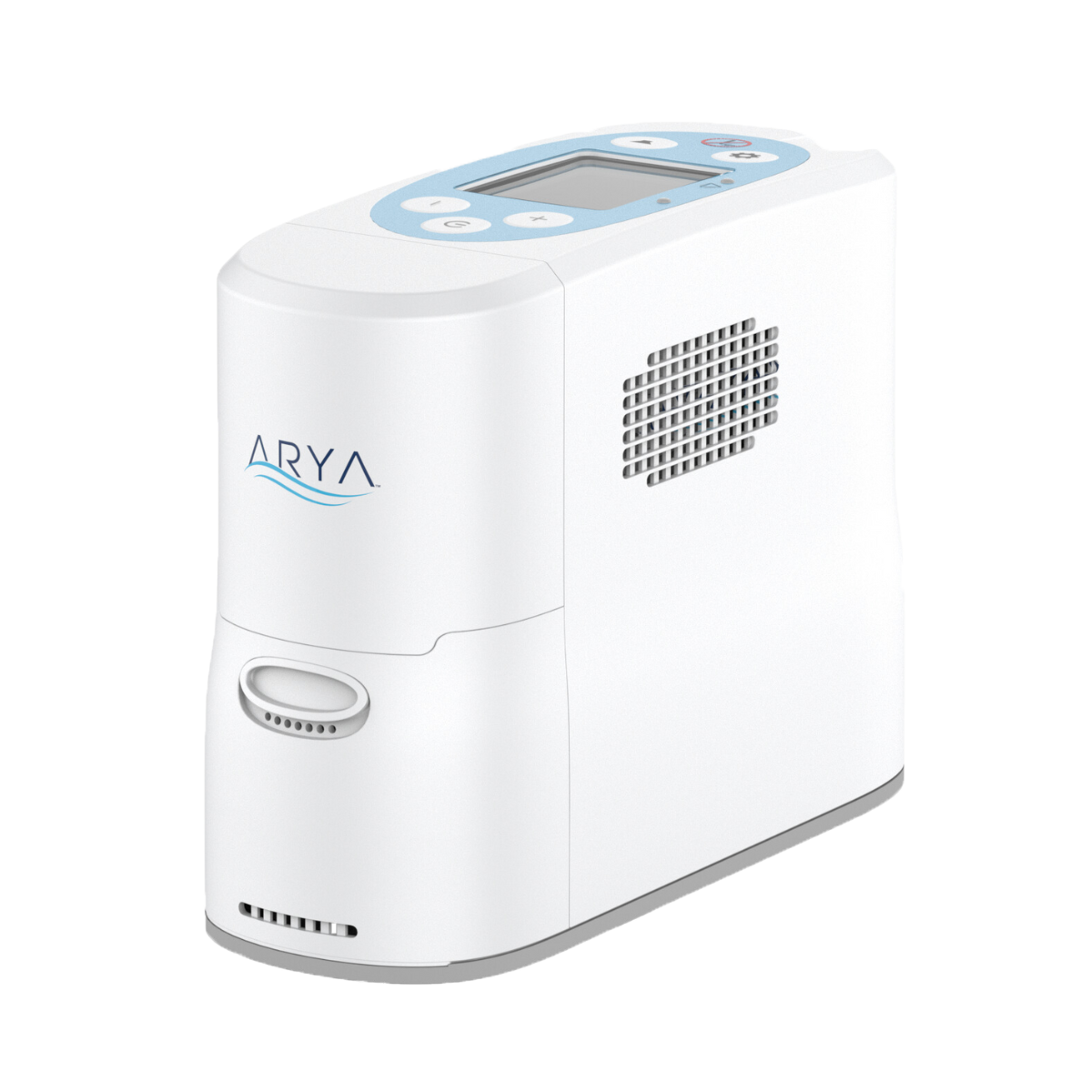
At 1st Class Medical, we stress the importance of being aware early, keeping track of your breathing, and learning about your health. If COPD does develop, treatments such as oxygen therapy can help improve oxygen levels, reduce strain on the lungs, and support overall quality of life. Many people use home oxygen concentrators for consistent support indoors, while portable oxygen concentrators enable them to stay active, spend time outside, travel, and continue everyday activities with greater confidence and comfort.
Whether you are worried about genetic risk or already have symptoms, staying informed and knowing your options is one of the best things you can do.
Final Thoughts
So, can COPD be genetic? In some cases, yes, especially with conditions like Alpha-1 Antitrypsin Deficiency. But genetics isn’t the only part of the story. Your lifestyle, environment, and getting help early all play significant roles in your lung health.
If COPD runs in your family, monitoring for early symptoms, avoiding triggers, and focusing on your breathing health can help. Knowing your risks, preventing problems, and taking action can help you breathe easier now and in the future.
When it comes to portable oxygen therapy, finding the perfect balance of performance, portability, and price can feel impossible. Too often, oxygen users are forced...
When you have received a COPD diagnosis, it is often followed by a prescription for medical grade oxygen. You are left feeling overwhelmed with a wealth...
Our respiratory specialists are here to help with exclusive deals, personalized recommendations, and support at every step of your journey to better breathing.

















 23Jun
23Jun























Comments are closed