The Real Benefits of Oxygen Therapy for COPD: What the Research Says
Introduction
When a doctor prescribes supplemental oxygen for COPD, patients sometimes wonder: Does it actually make a difference? The short answer is yes, and the research backs it up strongly.
Oxygen therapy has been one of the most studied interventions in pulmonary medicine, and the evidence consistently shows that for patients with low blood oxygen levels, it is one of the few treatments that can extend life and meaningfully improve day-to-day function.
Here’s what the research tells us about the real benefits of oxygen therapy for COPD, and why staying consistent with your prescription matters more than you might think.
What Is Supplemental Oxygen Therapy?
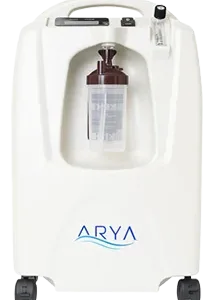
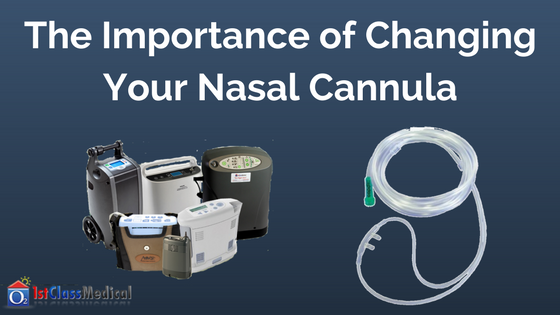
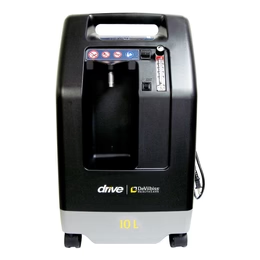
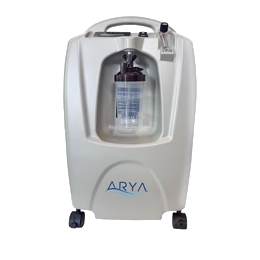
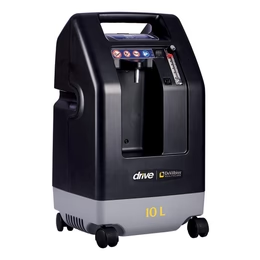
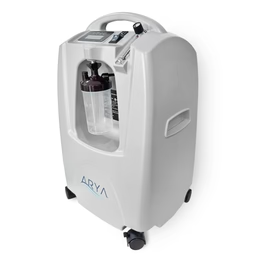
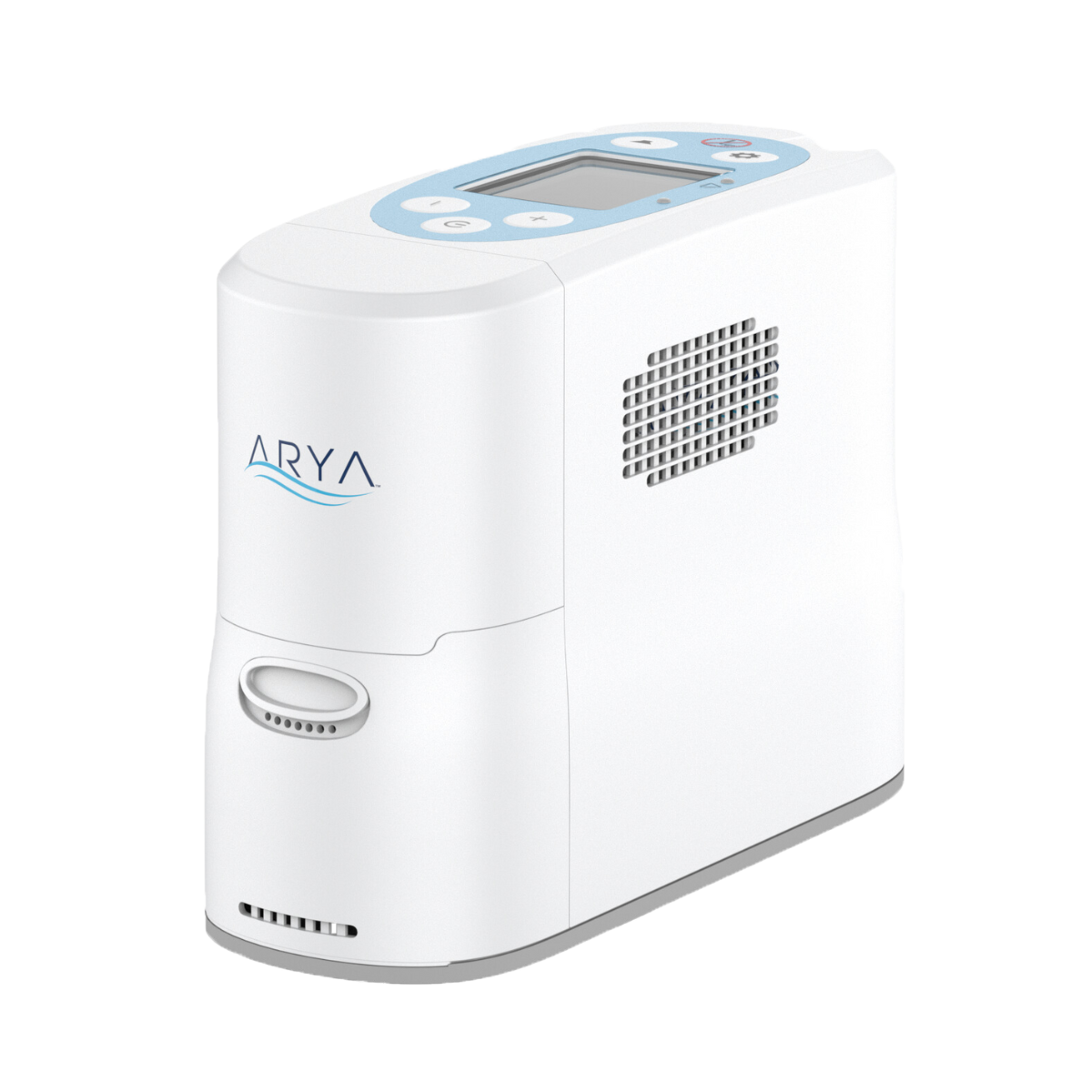
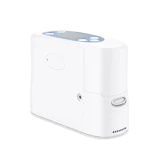
Supplemental oxygen therapy involves breathing in air with a higher oxygen concentration than what’s found naturally in the atmosphere. For COPD patients, this is typically delivered through a nasal cannula, the small two-pronged tube that sits just inside the nostrils, connected to either a portable or home oxygen concentrators.
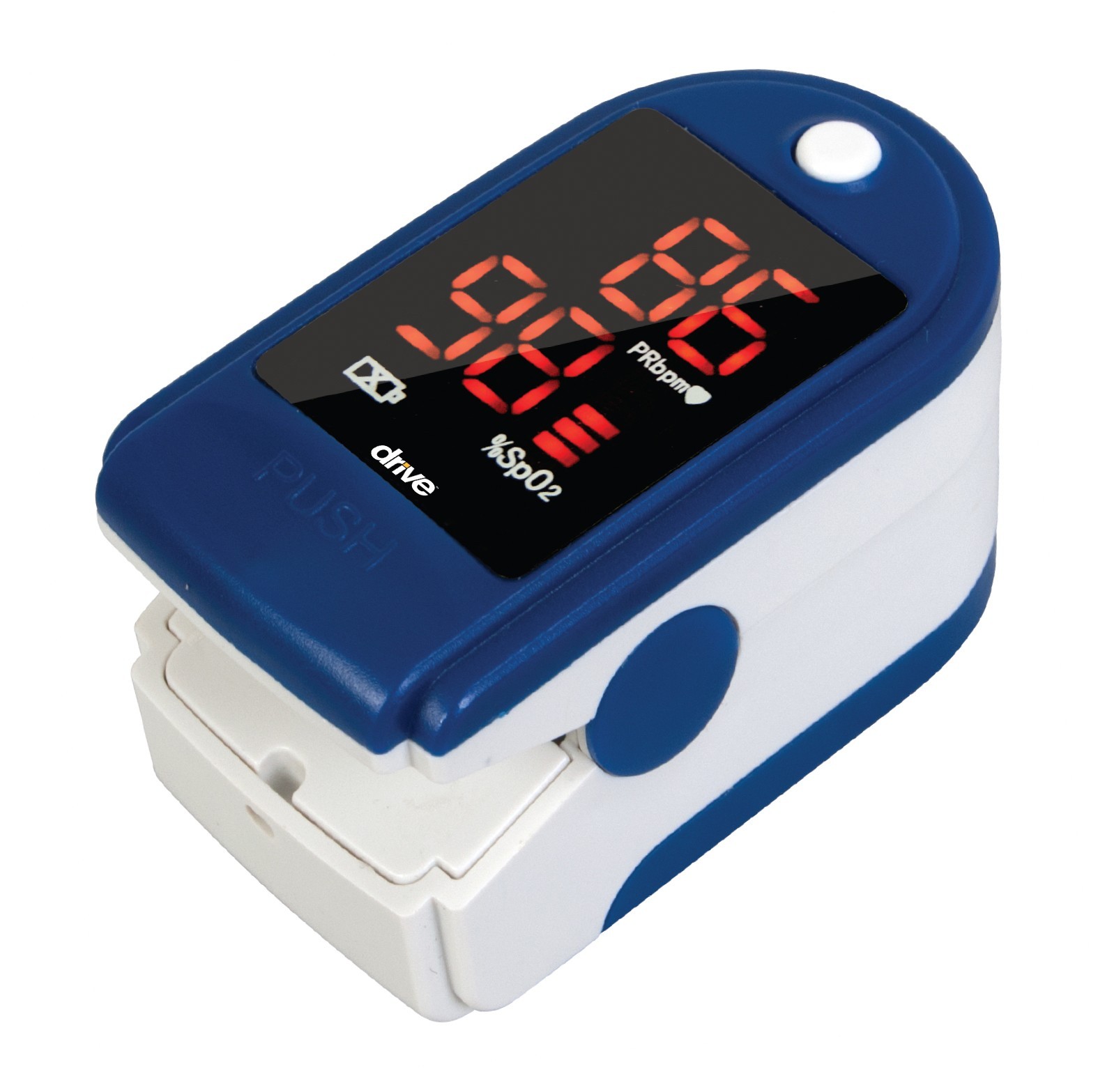
A doctor will prescribe oxygen based on the results of a blood oxygen test, also called pulse oximetry or arterial blood gas testing. Patients with a resting oxygen saturation below 88% are generally candidates for long-term oxygen therapy.
Research Finding #1: Long-Term Oxygen Therapy Extends Life
One of the landmark studies in pulmonary medicine, the Nocturnal Oxygen Therapy Trial (NOTT), found that patients who used oxygen for 15 or more hours per day had significantly better survival rates than those who used it only at night.
This research, conducted in the 1980s, established long-term oxygen therapy as a standard of care for COPD with severe hypoxemia. Subsequent studies have continued to confirm these findings. The message is clear: consistent oxygen use, especially for patients with chronically low oxygen levels, extends life.
Research Finding #2: Oxygen Therapy Reduces Hospitalizations
COPD exacerbations, sudden worsening of symptoms, are a leading cause of hospitalization and a major driver of disease progression. Research shows that patients who use long-term oxygen therapy consistently experience fewer and less severe exacerbations.
A large study published in the New England Journal of Medicine found that COPD patients who used supplemental oxygen as prescribed were significantly less likely to be hospitalized compared to those who did not. Fewer hospitalizations mean a better quality of life, less disruption, and lower healthcare costs over time.
Research Finding #3: Oxygen Improves Exercise Capacity
Exercise is critical for COPD management, but low oxygen levels make physical activity dangerous and exhausting. Research consistently shows that using supplemental oxygen during exercise allows COPD patients to exercise longer, at higher intensities, and with less breathlessness.
This is significant because improved exercise capacity leads to stronger respiratory muscles, better cardiovascular health, and a slower rate of disease progression. In other words, oxygen therapy doesn’t just help in the moment — it helps build the physical reserves needed to manage COPD long-term.
Research Finding #4: Oxygen Therapy Improves Cognitive Function
The brain needs a steady supply of oxygen to function properly. Low oxygen levels can lead to cognitive decline and problems with memory, concentration, and mood.
Studies have found that COPD patients on long-term oxygen therapy show improvements in cognitive testing performance, mood, and reported mental clarity. This aligns with what many patients report anecdotally: thinking more clearly, feeling less mentally foggy, and experiencing less anxiety when their oxygen levels are consistently supported.
Research Finding #5: It Protects the Heart
COPD and heart disease frequently go hand in hand. Low oxygen levels put significant strain on the right side of the heart, which can lead to a condition called cor pulmonale — right-sided heart failure caused by chronic lung disease.
Supplemental oxygen reduces pulmonary hypertension — high blood pressure in the arteries leading to the lungs — which directly protects the heart from this kind of damage. Research shows that long-term oxygen therapy helps slow the development of cor pulmonale and reduce cardiovascular complications in patients with COPD.
What About Mild or Moderate COPD?
It’s worth noting that the research on oxygen therapy is most robust for patients with severe hypoxemia. A 2016 study known as the LOTT trial found that, for patients with moderate oxygen desaturation, long-term supplemental oxygen did not significantly extend survival.
This does not mean oxygen therapy is without benefit for these patients — particularly during exercise or sleep — but it does highlight why working closely with your doctor to determine the right prescription is essential. Oxygen therapy is not one-size-fits-all, and dosing matters.
Final Thoughts
The research on oxygen therapy for COPD is compelling and consistent. For patients with significantly low oxygen levels, it is one of the most effective interventions available — extending life, reducing hospitalizations, improving physical and mental function, and protecting the heart.
If you’ve been prescribed supplemental oxygen, using it as directed isn’t just a recommendation — it’s one of the most important things you can do for your health. And if you’re looking for the right equipment to make consistent oxygen use as easy and comfortable as possible, 1st Class Medical is here to help.
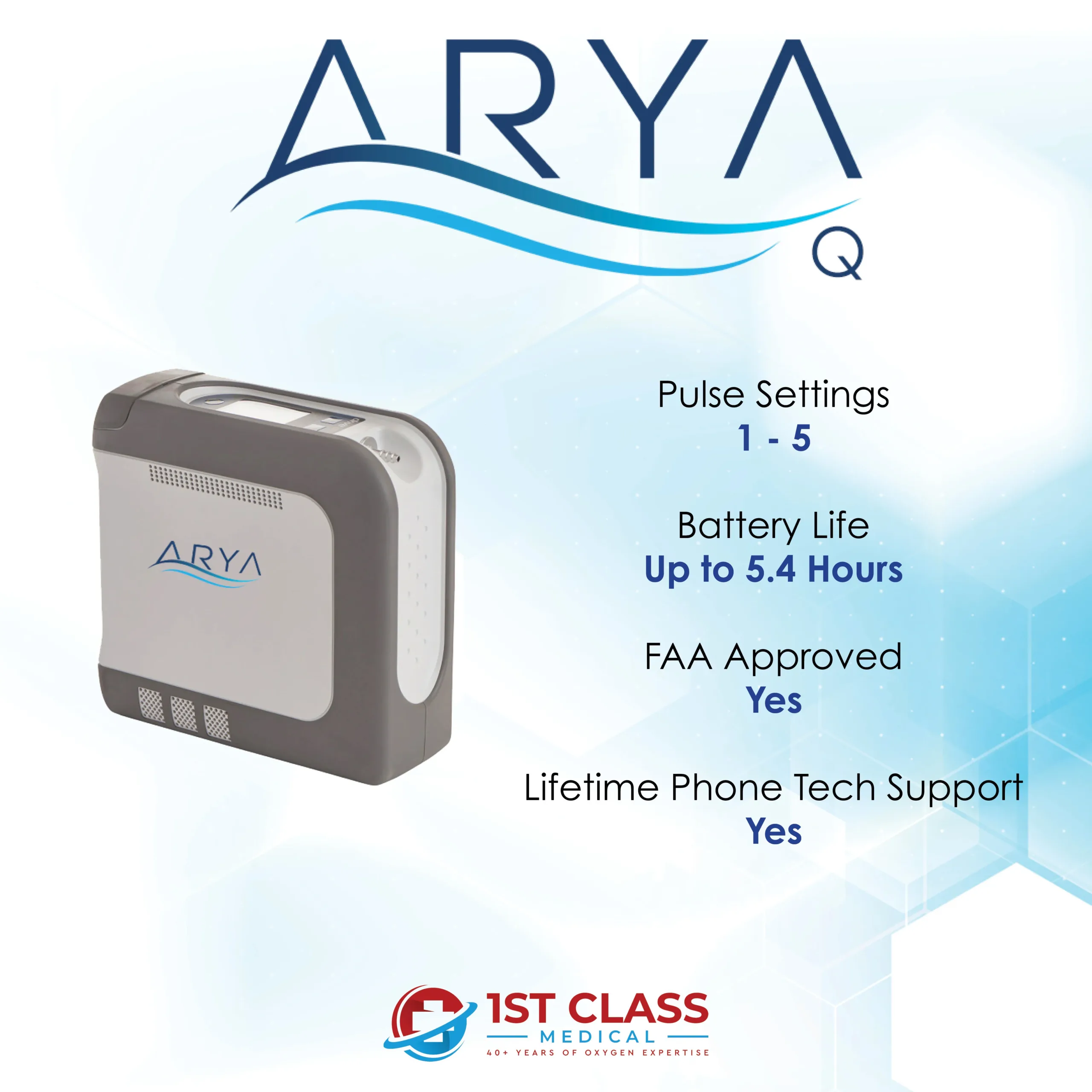
Our portable and home oxygen concentrators are designed for real life — lightweight, reliable, and built to support the kind of active, independent lifestyle you deserve.
When it comes to portable oxygen therapy, finding the perfect balance of performance, portability, and price can feel impossible. Too often, oxygen users are forced...
When you have received a COPD diagnosis, it is often followed by a prescription for medical grade oxygen. You are left feeling overwhelmed with a wealth...
Our respiratory specialists are here to help with exclusive deals, personalized recommendations, and support at every step of your journey to better breathing.












 23Jun
23Jun






















Comments are closed