



Need help? Call us:

+1-800-520-5726

Please, enable Wishlist.
Understanding COPD: Symptoms, Causes, and Management with Oxygen Therapy Solutions

Understanding COPD: Symptoms, Causes, and Management with Oxygen Therapy Solutions


Chronic Obstructive Pulmonary Disease (COPD) is a serious, progressive lung condition that makes breathing increasingly difficult. Millions of people live with COPD, and many do not realize how much effective management can improve quality of life.

Now that we know how common COPD is, let’s take a closer look at what it means.

COPD is a name for lung problems like long-term bronchitis and emphysema. These problems harm the breathing tubes and small air sacs in the lungs, making it harder to breathe and get enough oxygen. Over time, people may find it harder to catch their breath and feel more tired, which can make daily tasks more difficult.


Common Symptoms of COPD

Early recognition is key. Symptoms include:

  • Shortness of breath during activity or even at rest
  • Chronic cough with mucus
  • Wheezing or chest tightness
  • Fatigue and decreased stamina


Identifying symptoms early can lead to better management and prevent severe complications.


Causes and Risk Factors

  • Smoking: The leading cause of COPD; both current and former smokers are at risk.
  • Environmental Exposures: Long-term exposure to dust, pollution, or chemical fumes.
  • Genetics: Certain inherited conditions, like alpha-1 antitrypsin deficiency (a rare problem that affects the lungs), can make someone more likely to get COPD.


Managing COPD Effectively

COPD is a long-term condition, but with the right care, you can slow it down and feel better. Here are some helpful ways to manage it:

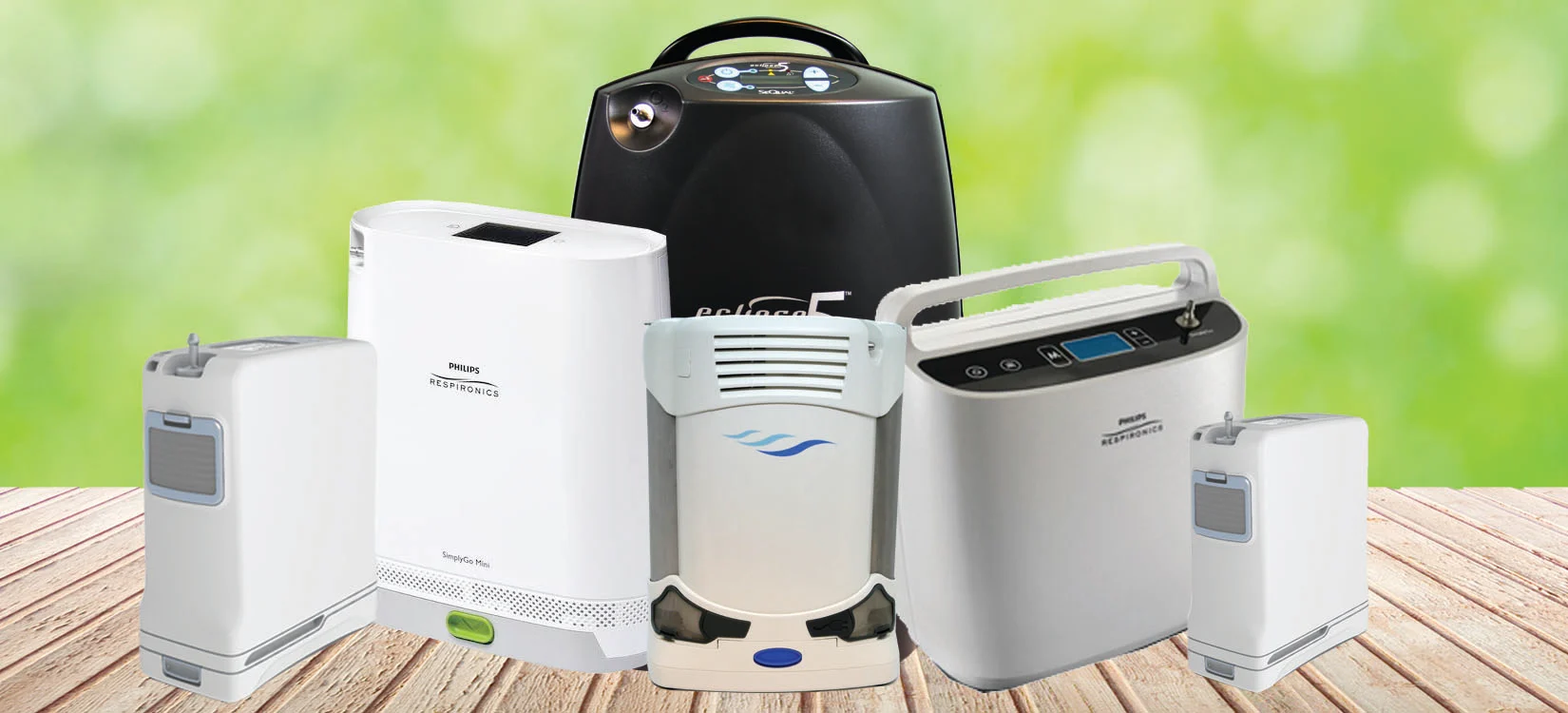
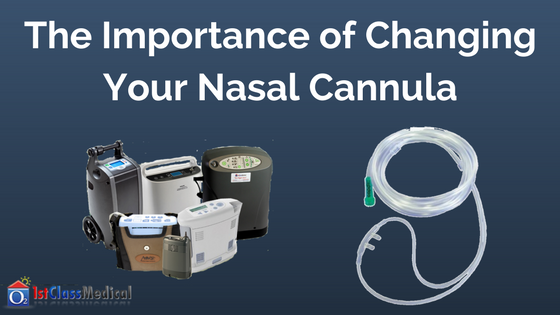
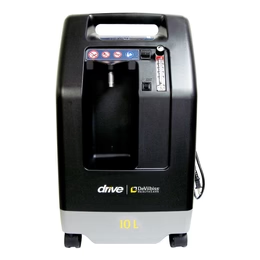
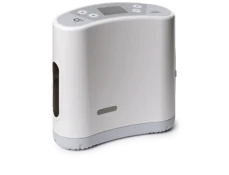
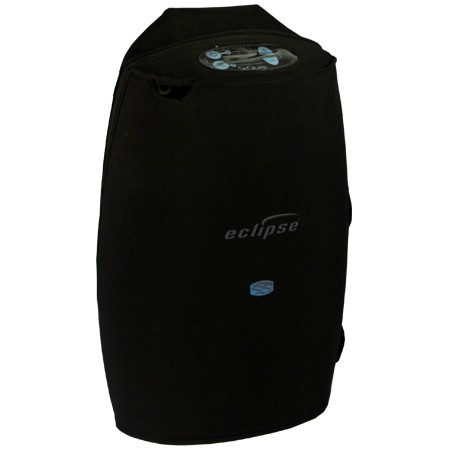
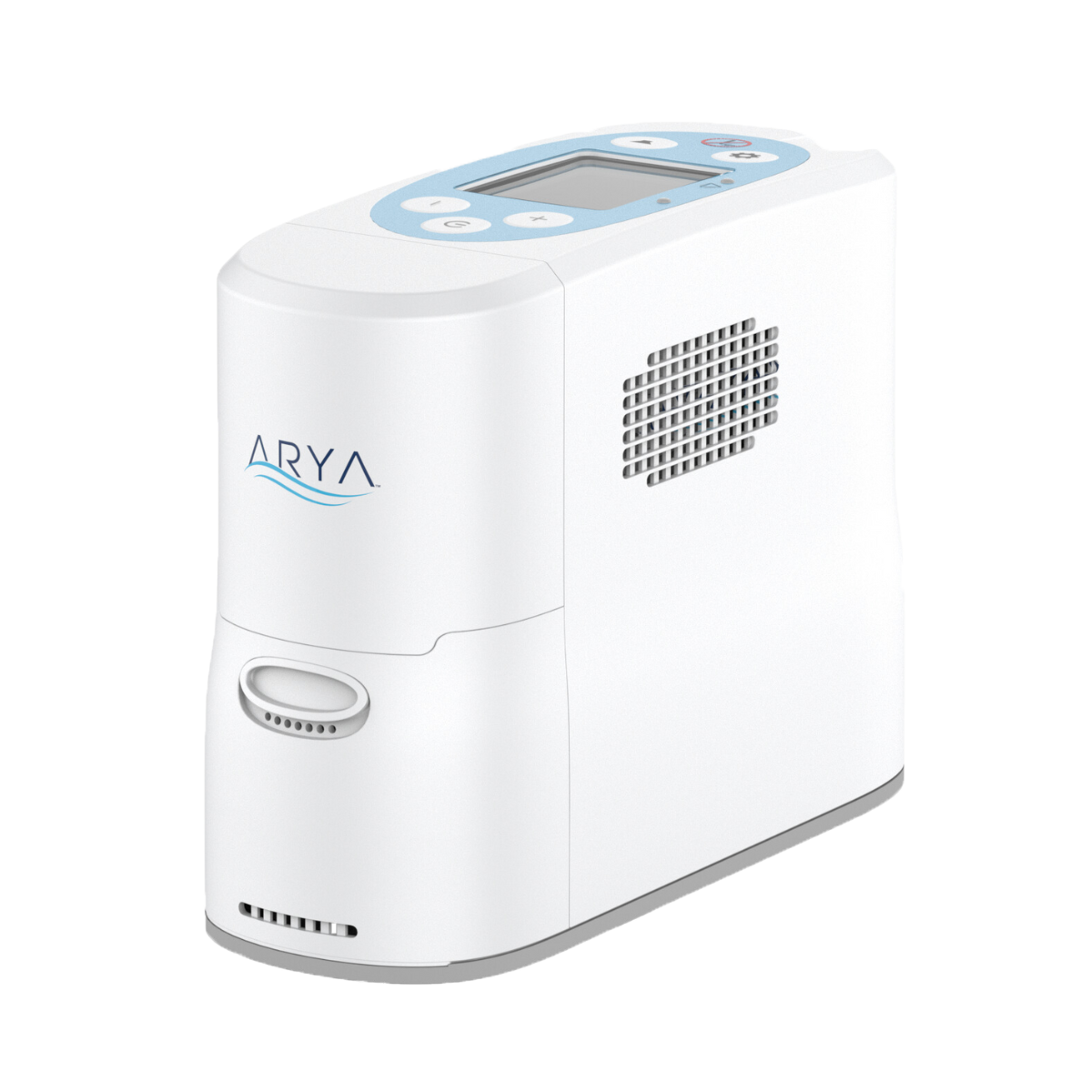
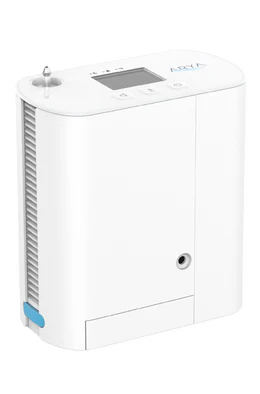
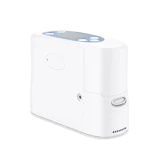
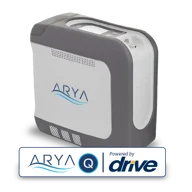
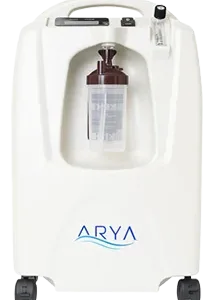
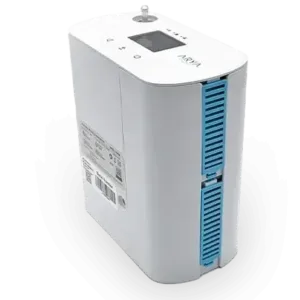
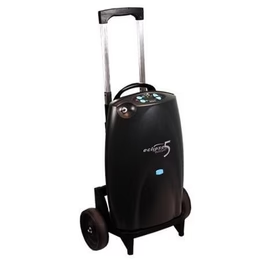
  • Oxygen Therapy: Portable oxygen concentrators provide mobility and independence while ensuring your body receives enough oxygen.
  • Medications: Medicines called bronchodilators help open airways. Other medicines, like steroids, help lessen swelling in the lungs.
  • Pulmonary Rehabilitation: Exercise and education programs that help people breathe easier and improve their strength.
  • Lifestyle Changes: Quitting smoking, eating a balanced diet, and staying active.
  • Monitoring & Support: Regular check-ups and patient education improve outcomes.


Living Well With COPD

You can stay independent and comfortable by using medical care along with practical tools like portable oxygen concentrators. These are light, simple to use, and help you stay active whether you are at home or out and about.

Related Articles