Why Morning Routines Matter More When You Have COPD
Most people don’t think twice about waking up each morning. But if you have Chronic Obstructive Pulmonary Disease (COPD), mornings can be tough from the moment you wake up. A good morning routine isn’t just a habit; it’s a helpful way to manage your lung health. At 1st Class Medical, we believe that starting your day with intention can help you feel better, save energy, and improve your quality of life.
Why your Morning Matters
Multiple studies show that people with COPD often have their worst symptoms in the morning, such as shortness of breath, coughing, and extra mucus.
For example:
A review found that morning symptoms significantly limit the ability of COPD patients to perform simple morning activities
Another study found that higher morning symptom scores were associated with lower physical activity during the morning and afternoon.
On a practical level, the American Lung Association notes that: “Increased morning symptoms like cough, sputum (mucus) production and shortness of breath are common for people living with COPD… You may find mornings to be one of the most difficult times of the day.” American Lung Association
Why does this happen?
Overnight, mucus can pool in the airways when you’ve been lying down. That means when you awaken, your lungs may already be working harder.
Circadian rhythms, airway inflammation, and reduced bronchodilator effect can all make airways tighter or more reactive in the early morning.
Since mornings can be the hardest part of the day, the way you begin can affect how you feel later. You might get tired sooner, be less active, or feel more anxious or uncomfortable.
Simply put, if you have COPD, your morning routine really matters. Starting your day the right way helps you manage symptoms, save energy, and feel more confident as you go about your day.
The Key Elements of a COPD‑Friendly Morning Routine
Here are the critical pieces to consider when building a morning routine that supports lung health:
Prepare the Night Before
Setting up for a smoother morning starts the evening before:
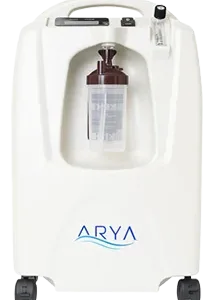
Ensure your inhaler, oxygen equipment (if you use it) and a glass of water are within reach next to your bed. This avoids unnecessary movements right after waking. 1st Class Medical
Lay out clothes, shoes and routines ahead of time so you don’t waste precious energy in the morning selecting and getting dressed. The American Lung Association emphasizes pacing and planning ahead. American Lung Association
Consider your sleep environment: keeping the bedroom cool, dark, and with optimal humidity can reduce airway irritation and help you wake more rested.
Slow Start with Breathing & Awareness
After waking:
Before even getting out of bed, spend a minute or two doing controlled breathing (such as pursed‑lip breathing or diaphragmatic breathing). These techniques help reduce breathlessness and improve oxygen exchange. WebMD
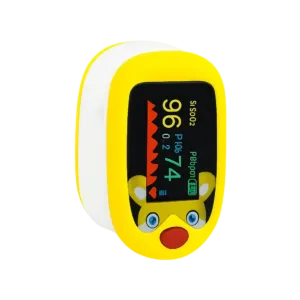
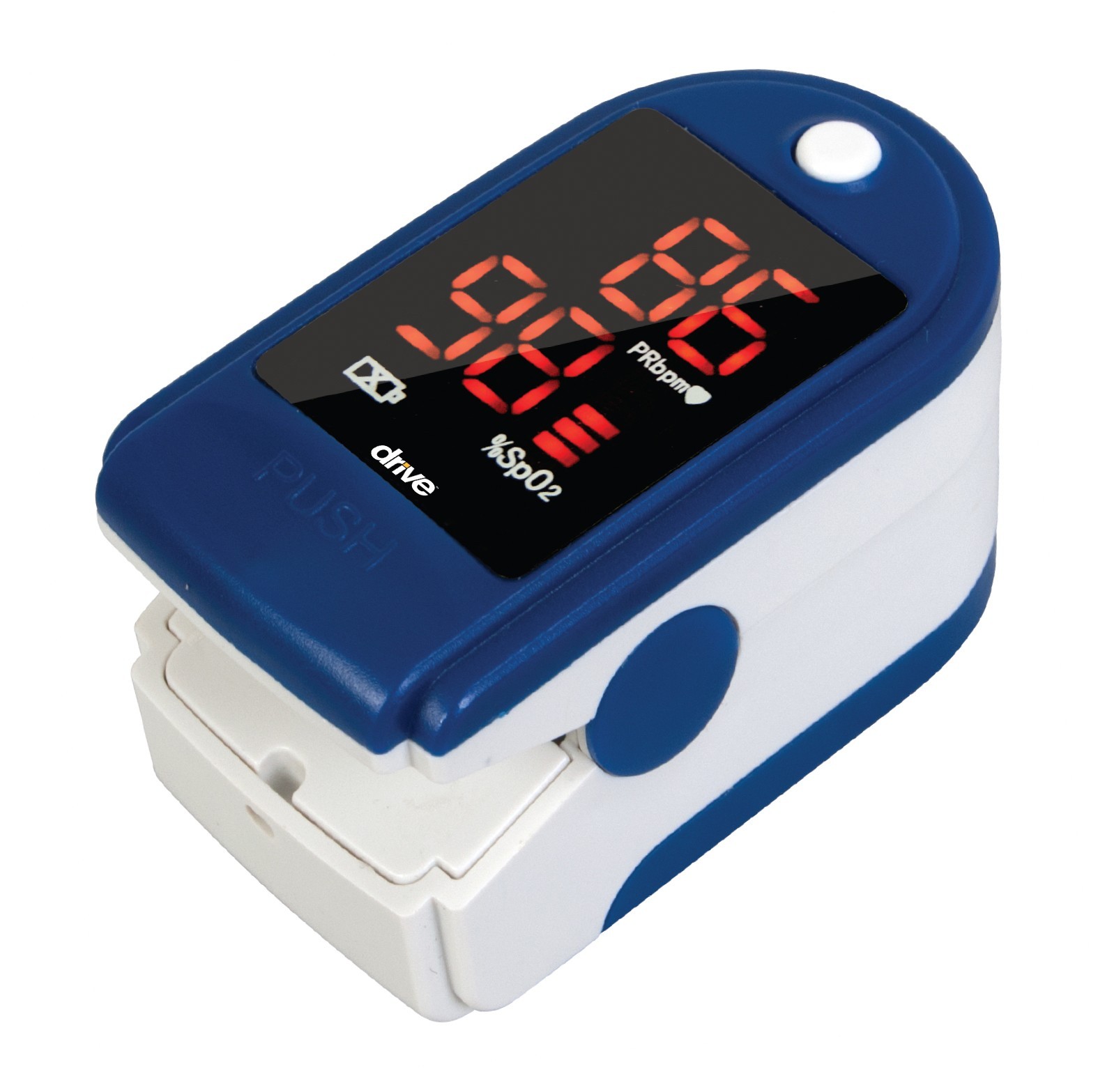
Check your oxygen saturation (if applicable), ensure your short‑acting inhaler is used if your clinician recommends it, and allow your lungs a moment to “wake up” without rushing into standing or showering.
Gentle Movement & Stretching
Light movement early in the day can help:
Simple stretches (shoulder rolls, neck rotations, seated side bends) can loosen muscles and improve circulation, which supports lung capacity.
A short walk, even 5–10 minutes indoors or outdoors (weather and health permitting), gradually builds stamina and reduces stiffness. Over time this supports more activity with less breathlessness.
Hydration and Nutrition
Your morning is a perfect time to support your body internally:
Sipping water first thing helps thin mucus and supports airway clearance (remember how overnight mucus makes mornings tougher).
A nutrient‑rich breakfast that’s easy to digest can boost energy without over‑taxing your breathing. Examples include oatmeal with berries and nuts, a smoothie with greens and fruit, or scrambled eggs with spinach.
Prioritize & Pace Your Day
With COPD, energy is limited and must be managed:
Use a “priority list” or simple planner to note your top 2‑3 tasks for the day. Build in rest breaks.
Recognize that the morning is often the tougher window; it may make sense to schedule the most demanding tasks later when you’re more warmed up. The American Lung Association suggests not doing too many heavy tasks in one day and spacing them.
Remember the “5 P’s”: Pace yourself, Plan ahead, Position yourself upright, Prioritize your activities, and Practice breathing techniques.
Why a Routine Makes a Big Difference
Let’s unpack why all this matters:
Symptom control: Because COPD symptoms are worse in the morning, having a clear routine mitigates the early “hit” of symptom burden. Studies show morning symptoms correlate with higher risk of exacerbations.
Energy conservation: Every movement you make uses up limited energy. If you rush, skip the breathing prep, skip gentle movement, you’ll pay later with fatigue, increased breathlessness and reduced activity later in the day. The American Lung Association discusses how simple tasks require more energy for people with COPD.
Improved overall activity: Patients with lower morning symptom burden tend to be more active during the day. Once you reduce how rough your morning is, you free up capacity for the rest of your day.
Better psychological start: Mornings set the tone. If you wake up struggling with breathlessness, mucus build-up, or fatigue, it can lead to anxiety, frustration, and feeling behind. Having a routine gives you structure, a sense of control, and helps you avoid reacting to symptoms.
Reduced risk of exacerbation: While causality is complex, morning symptoms are associated with more frequent exacerbations. A stable morning foundation supports better day‑long lung function and may reduce flare‑ups.
How to Get Started (and Stick With It)
Here are some practical tips to implement a morning routine you’ll stick to:
Start small: Don’t overhaul everything overnight. Pick one breathing exercise and one simple stretch. Do those for the first week.
Make it non‑negotiable: Think of the first 10 minutes after waking as “breathing time.” No screens, no rushing, just you and your body.
Use reminders: Set an alarm or place a sticky note on your nightstand that says “Breathe” or “Stretch.”
Track it: A journal (digital or paper) can help you note how you feel after morning routine vs. days you skip it. You’ll see the difference.
Communicate with your care team: Let your pulmonologist or respiratory therapist know you’re doing a morning routine and ask if they can add suggestions tailored to your stage of COPD.
Be flexible: Some mornings will be harder than others because of things like weather, sleep quality, or illness. On those days, take it easier with just breathing, some water, and a light stretch. Aim for consistency, not perfection.
Incorporate it into your COPD management toolkit: Use your routine to remind you of your medicines, oxygen equipment, inhaler check, and any airway‑clearance techniques. This ties the routine into your broader lung‑health strategy.
A Sample Morning Routine (Adapted for You)
Here’s a simple template you can adapt:
6:30 am: Wake up slowly. While still in bed: 1–2 minutes of diaphragmatic breathing (hand on belly) + pursed‑lip breathing.
6:35 am: Hydrate – drink a glass of water, take your prescribed morning inhaler or oxygen (if applicable).
6:40 am: Sit up, open a window for fresh air if possible, do 5 minutes of seated stretches: shoulder rolls, neck rotations, side stretches.
6:45 am: Breakfast: something nutrient‑rich but easy to digest (smoothie, oatmeal with berries, eggs with spinach).
7:00 am: Review the day: look at your daily plan – top 2‑3 tasks + built‑in rest breaks. Lay out clothes. Check shoes.
7:10 am: Transition into your first activity of the day. If dressing or showering is next, take your time, pace yourself, sit when needed, avoid rushing.
Optional: If you use airway‑clearance techniques (eg, huff cough, chest percussion) or oxygen equipment checks, fit them in right after breathing exercises or before breakfast.
Why 1st Class Medical Is Here for You
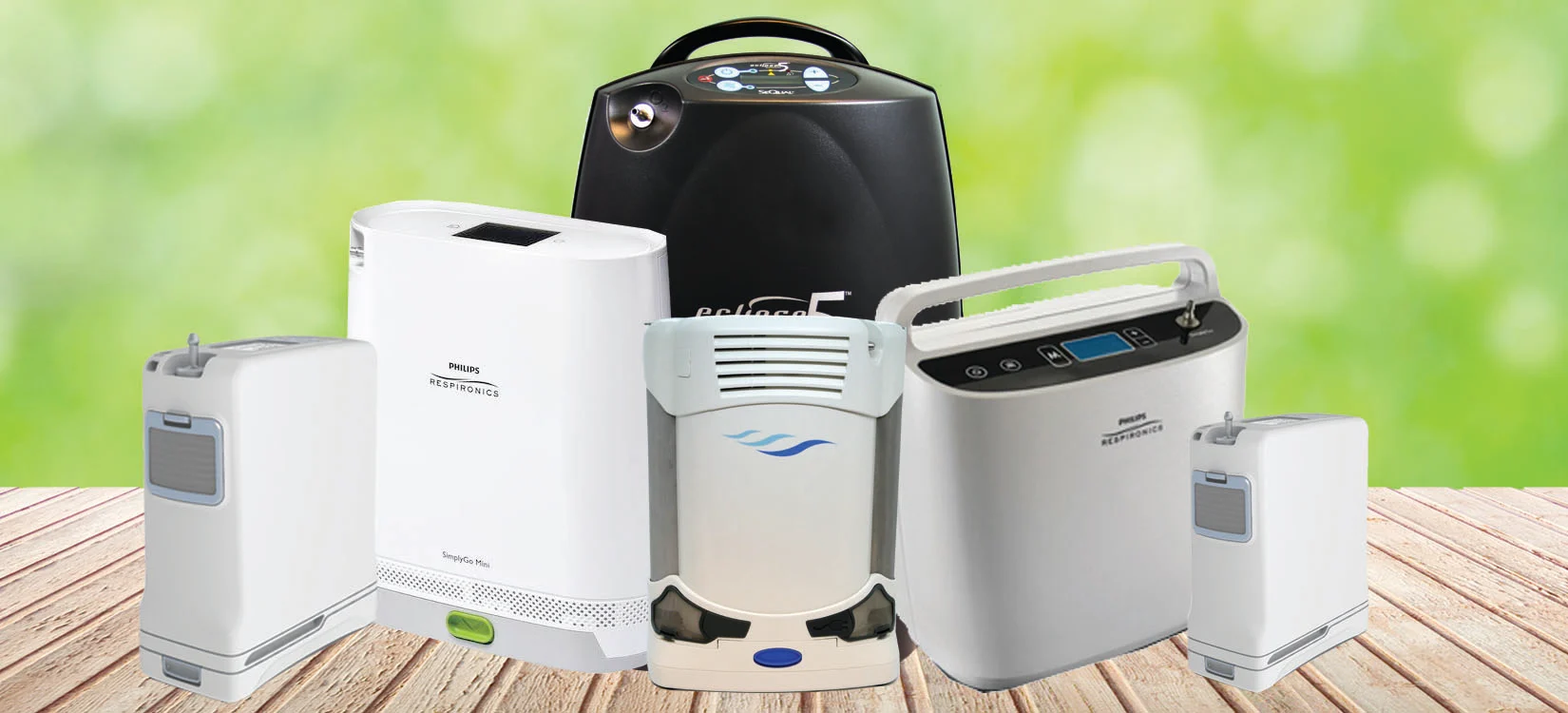
At 1st Class Medical, we know that living with COPD is about more than just taking your medicine. It’s about how you live each day. That’s why we offer equipment, resources, and guidance to help you build routines that fit your life and support your lungs. Whether you need a portable oxygen concentrator for more freedom or tools to help with breathing techniques, we’re here for you. Your morning routine is one of the most helpful tools you have, and it’s something you can use every day.
Our goal isn’t to give you more to do. We want to help you start your day in a way that helps you feel stronger, more stable, and more resilient.
Final Thoughts
Mornings don’t have to be the hardest part of your day with COPD. When you build a meaningful morning routine that includes breathing, movement, hydration, nutrition, and pacing, you set yourself up for a better day. Research shows that morning symptoms matter. They affect your energy, mood, activity, and even your long-term lung health. By following a structured morning routine, you’re choosing to start your day with purpose and strength.
When you wake up tomorrow, take a moment. Pause. Breathe. Then start a routine that supports your lungs and supports you.
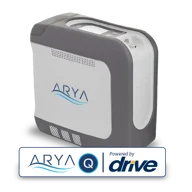
When it comes to portable oxygen therapy, finding the perfect balance of performance, portability, and price can feel impossible. Too often, oxygen users are forced...
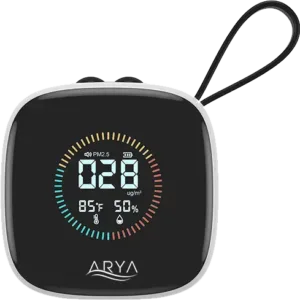
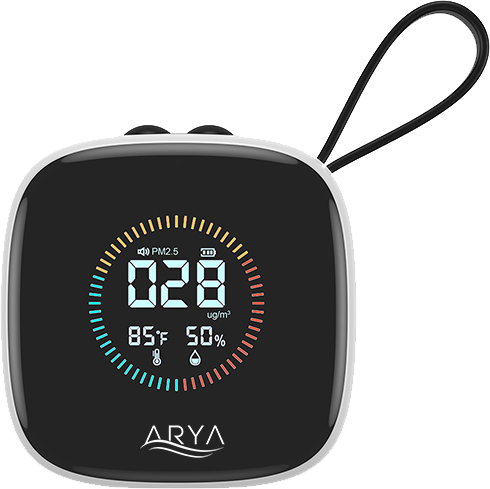
The Arya Guardian is a state-of-the-art air quality monitor designed to help individuals, especially those with COPD, track the air quality around them. By providing real-time updates on pollutants...
When you have received a COPD diagnosis, it is often followed by a prescription for medical grade oxygen. You are left feeling overwhelmed with a wealth...
Our respiratory specialists are here to help with exclusive deals, personalized recommendations, and support at every step of your journey to better breathing.














 23Jun
23Jun













Comments are closed