Understanding Oxygen Therapy: A Complete Guide for Patients and Caregivers
If you have COPD, pulmonary fibrosis, or sleep apnea, you can still keep your independence and enjoy If you or someone you care about needs oxygen therapy, all the new equipment and terms can seem like a lot to take in. At 1st Class Medical, we believe learning about your options can make things easier for both patients and caregivers.
This blog explains what oxygen therapy is, why it’s needed, and how it works. We want you to feel confident, informed, and more in control of your health.
1. What Is Oxygen Therapy?
Oxygen therapy is a treatment that delivers supplemental oxygen to individuals who cannot get enough oxygen on their own. This often happens due to chronic lung diseases or conditions that impair the lungs’ ability to absorb oxygen efficiently.
Common diagnoses that may require oxygen therapy include:
Chronic Obstructive Pulmonary Disease (COPD)
Pulmonary Fibrosis
Emphysema
Pneumonia
Sleep Apnea (in some cases)
Congestive Heart Failure
Cystic Fibrosis
COVID-19 complications
When oxygen levels in the blood drop too low, it can lead to fatigue, confusion, shortness of breath, and even organ damage. Oxygen therapy helps maintain adequate oxygen levels, improve energy, reduce symptoms, and prevent serious complications.
2. How Does Oxygen Therapy Work?
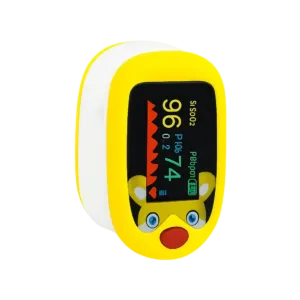
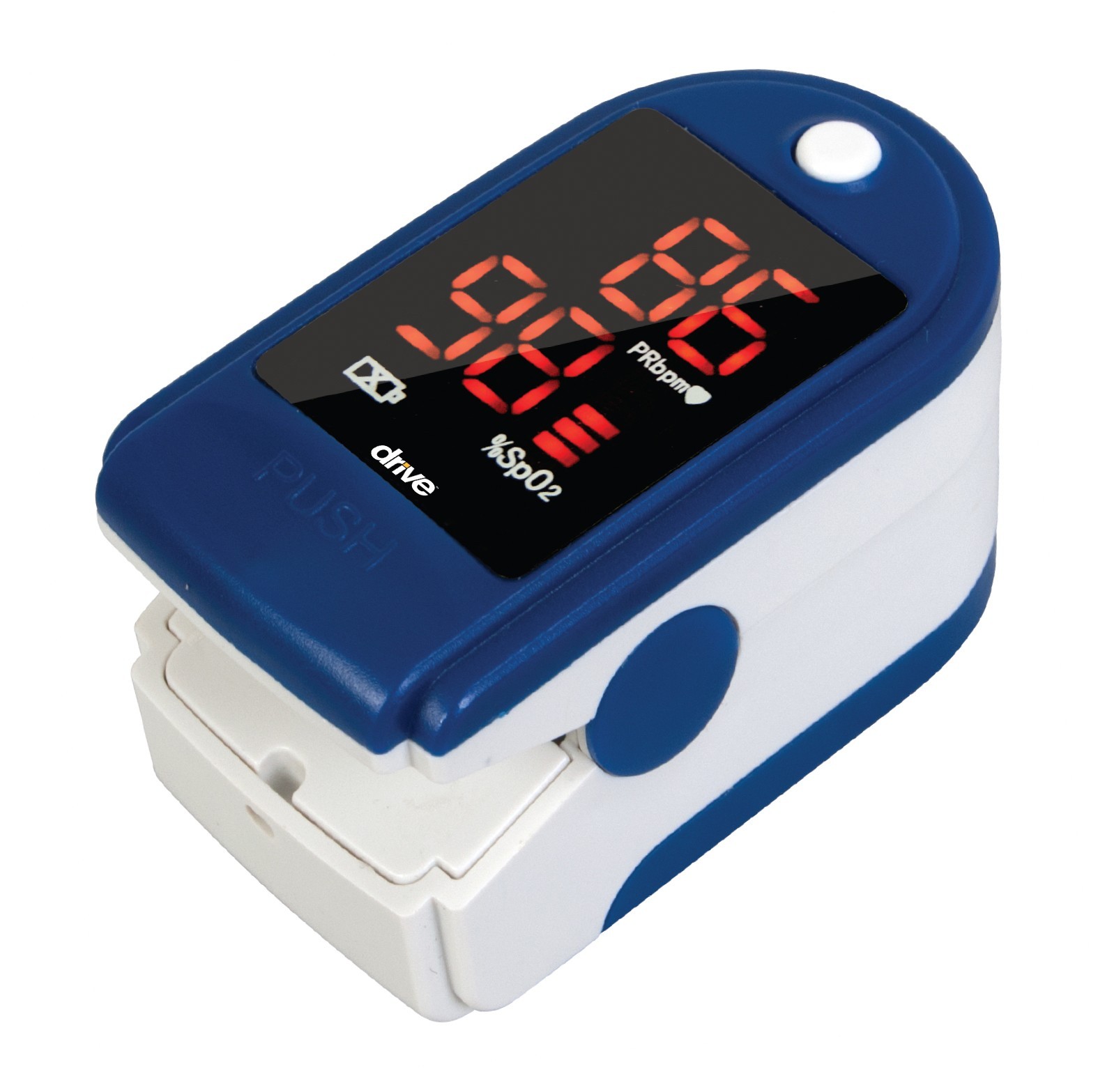
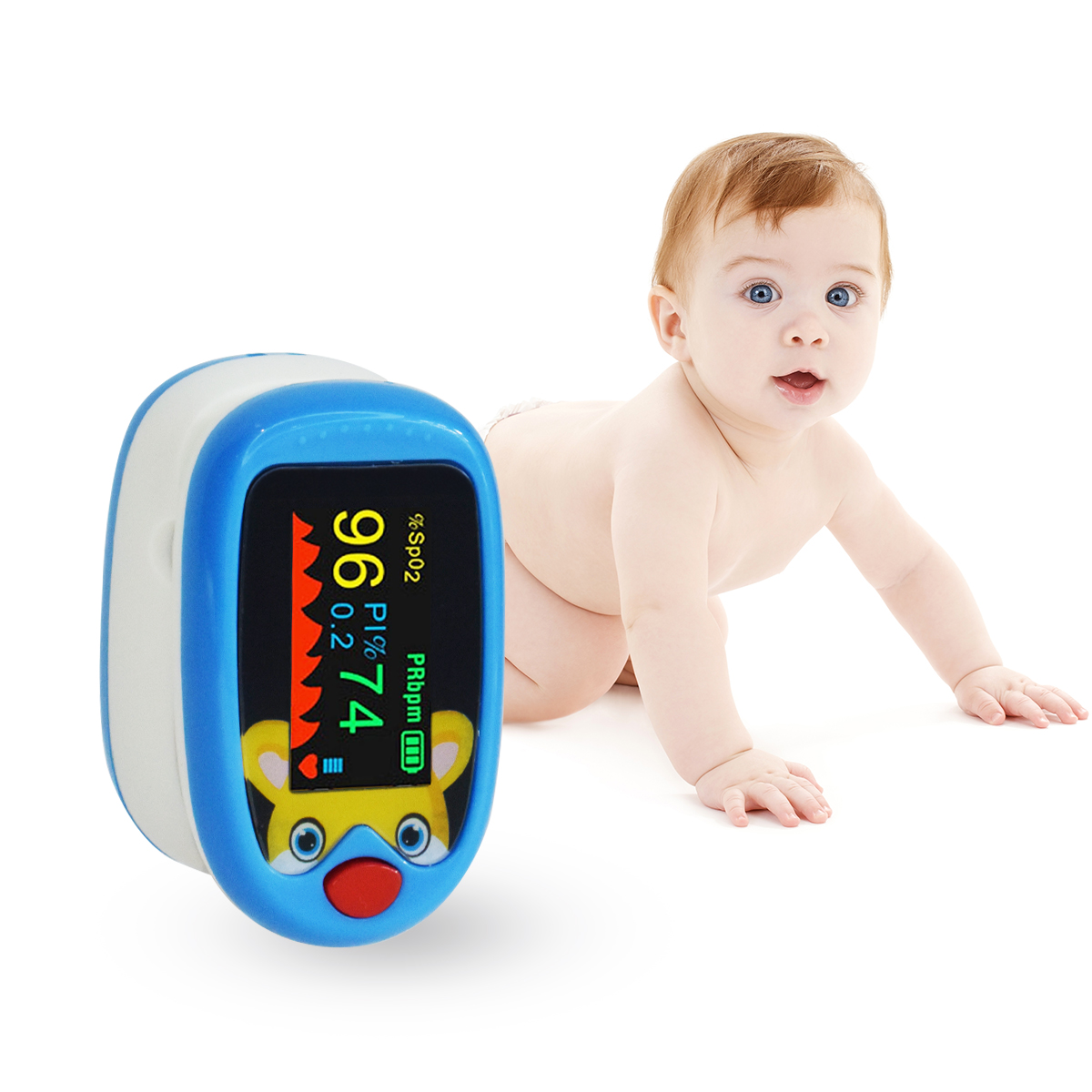
Doctors usually prescribe oxygen therapy after a test called pulse oximetry or arterial blood gas analysis, which measures the oxygen in your blood. If your levels are often below 88%, your doctor may suggest using supplemental oxygen.
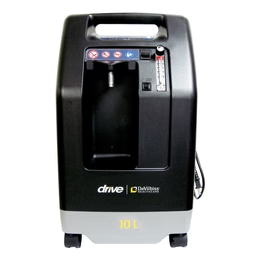
The oxygen is delivered using medical-grade equipment such as:
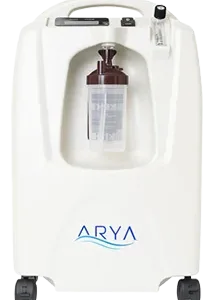
Each type has its own benefits, depending on what you need and how you live. At 1st Class Medical, we focus on portable oxygen concentrators because they are light, easy to travel with, and help you stay independent.
3. Common Types of Oxygen Delivery Devices
Nasal Cannula
The most commonly used device. It consists of soft tubing that sits in the nostrils and delivers oxygen at a prescribed flow rate.
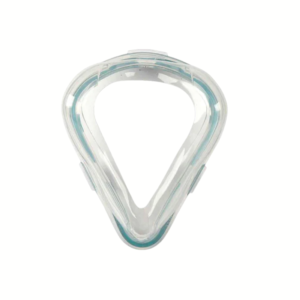
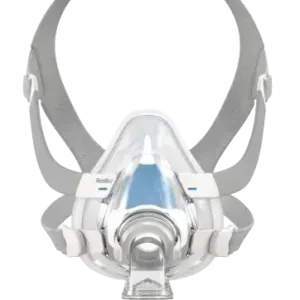
Face Mask
Often used when a higher oxygen flow is needed. It covers the nose and mouth and can deliver oxygen concentrations from 35% to 60%.
Reservoir Cannulas
Designed to increase efficiency and conserve oxygen by storing a small amount in a reservoir.
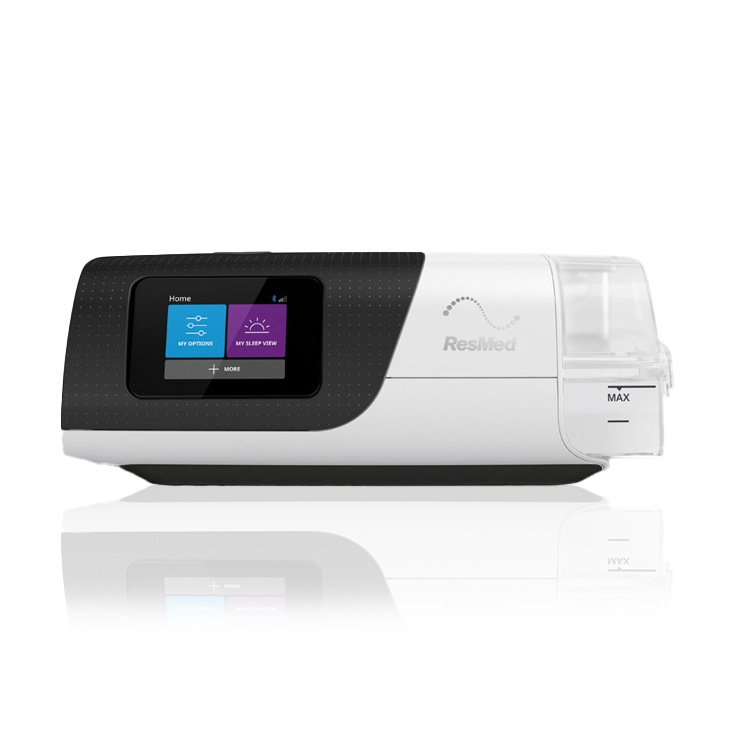
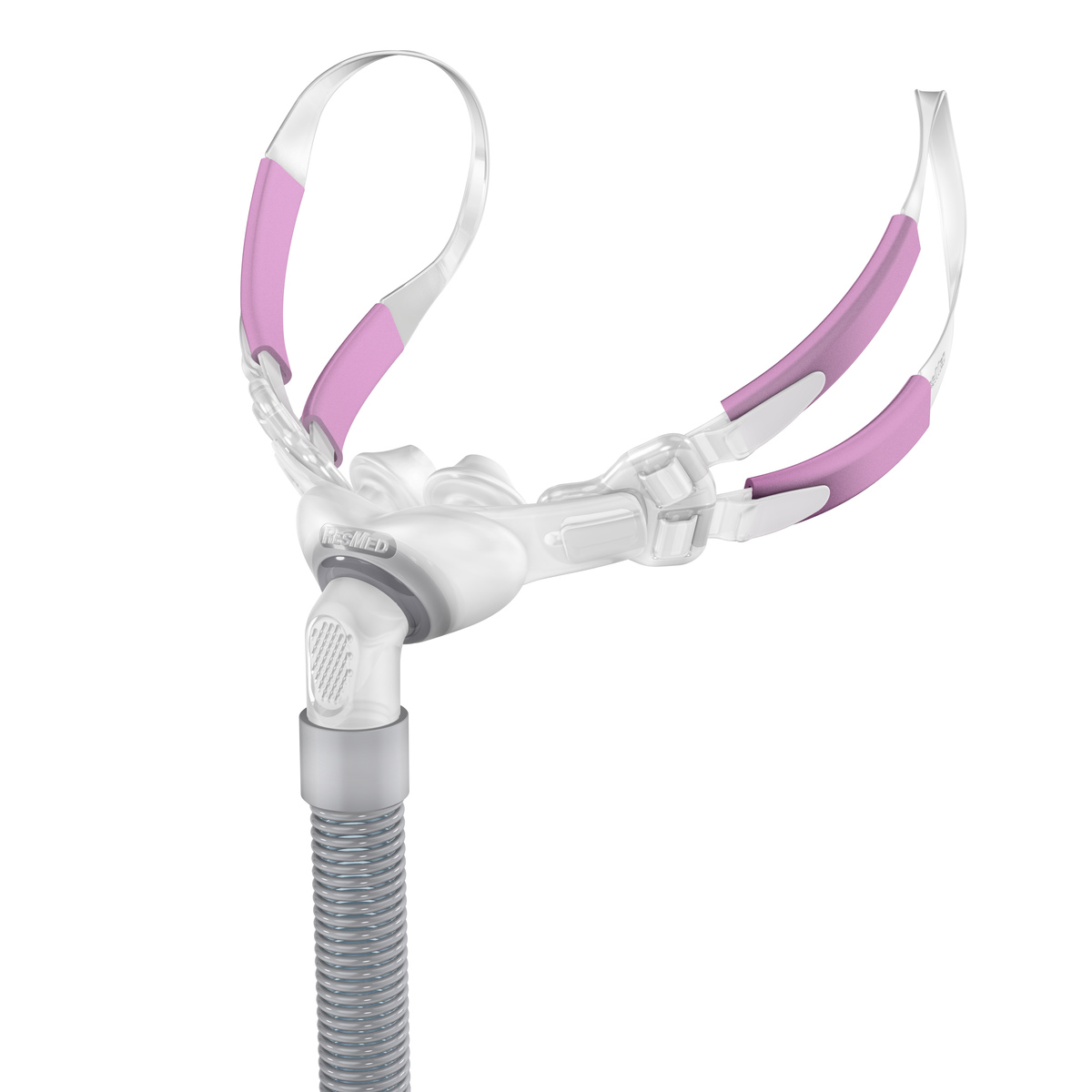
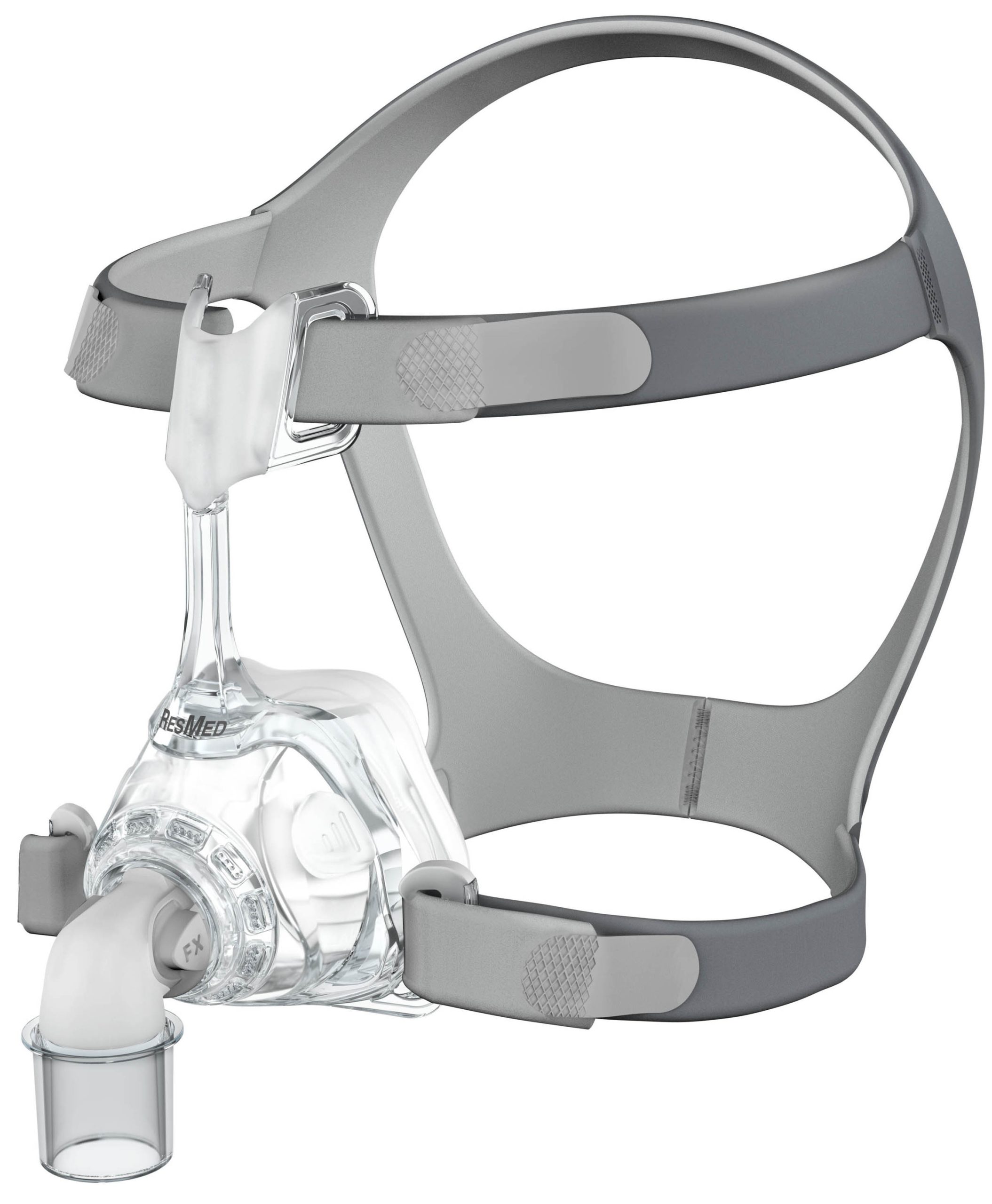
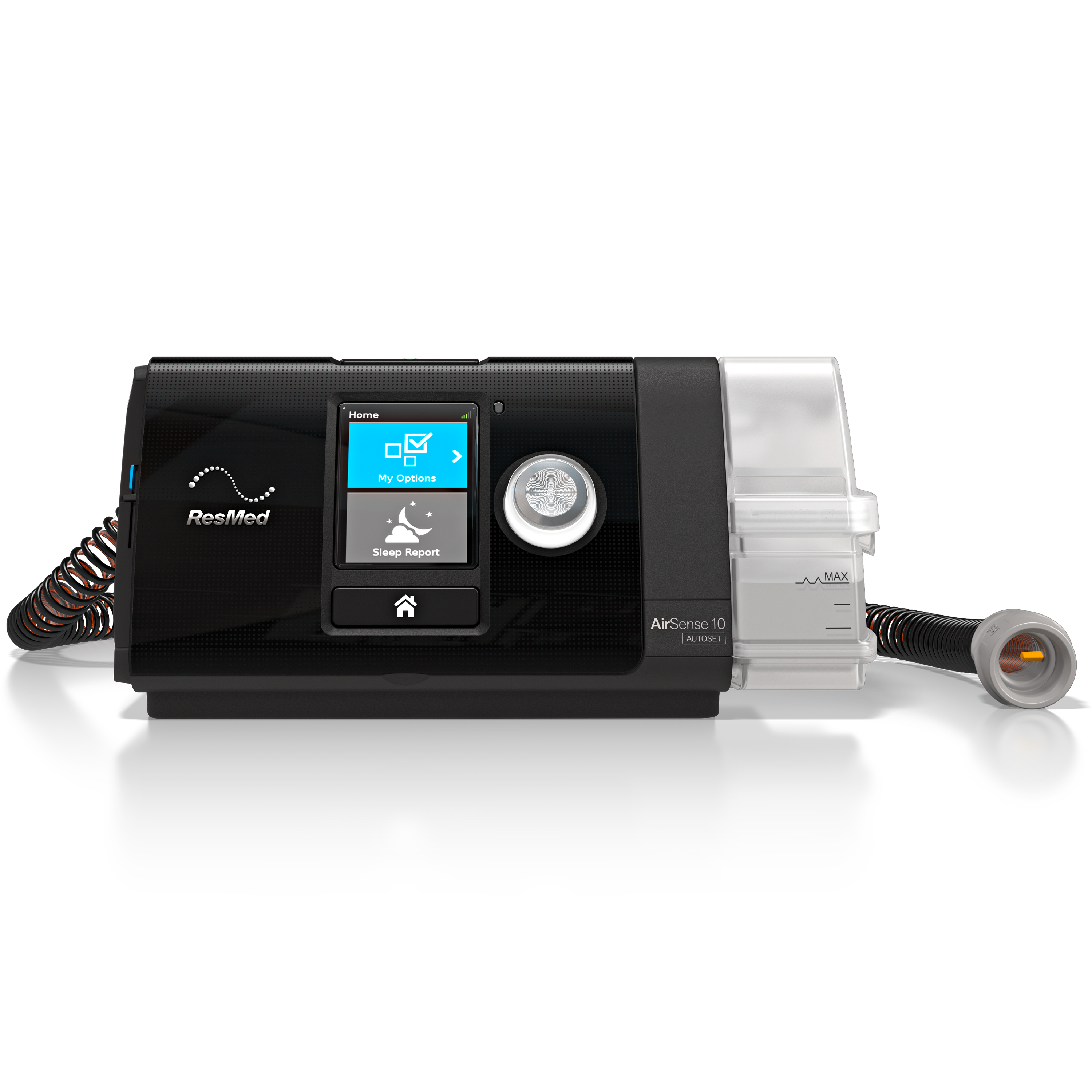
While primarily used to treat sleep apnea, these machines can sometimes be combined with oxygen for people with overlapping respiratory Each way of getting oxygen has its own benefits. Your provider will help you pick the option that fits your health needs and feels most comfortable. and comfort.
4. When Do You Need Oxygen?
You might need oxygen all the time (called continuous use) or only during specific activities like:
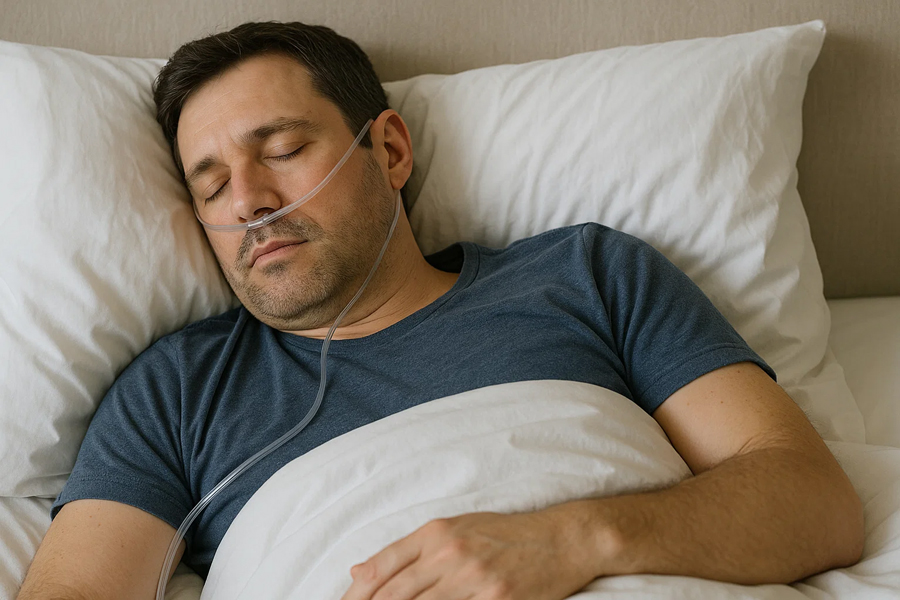
Sleeping
Physical exertion (walking, climbing stairs)
Recovering from an illness or flare-up
Traveling to higher altitudes
Your doctor will tell you how much oxygen you need and when to use it. Never change your oxygen settings without talking to your healthcare provider, as it could be unsafe.
5. Benefits of Oxygen Therapy
The most significant benefit of oxygen therapy is that it helps your body work better, even if your lungs aren’t working as well as they should.
Benefits include:
Reduced shortness of breath
Increased stamina and physical activity
Better sleep and reduced nighttime oxygen drops
Improved cognitive function and alertness
Enhanced mood and emotional well-being
Slower progression of disease-related complications
Many people who start oxygen therapy say they have more energy, feel less anxious, and can do more in their daily lives.
6. Safety Tips for Using Oxygen Therapy at Home
Oxygen can save lives, but there are some essential safety rules to follow.
Key Oxygen Safety Rules:
Keep oxygen away from flames or sparks. Never smoke or use an open flame near your oxygen device.
Store equipment in a well-ventilated area. Avoid confined spaces or putting oxygen tanks in closets.
Secure oxygen tanks. If you use cylinders, keep them upright and stored safely to prevent tipping.
Use only oxygen-compatible lotions. Petroleum-based products can ignite when combined with oxygen.
Install smoke detectors in your home and check batteries regularly.
At 1st Class Medical, we show every customer how to use their equipment safely because your health matters to us.
Proper maintenance of your oxygen equipment ensures safe, effective, and long-lasting use.
General Maintenance Tips:
Clean nasal cannulas or masks at least once a week. Replace monthly or as needed.
Change or clean filters in your concentrator per the manufacturer’s guidelines.
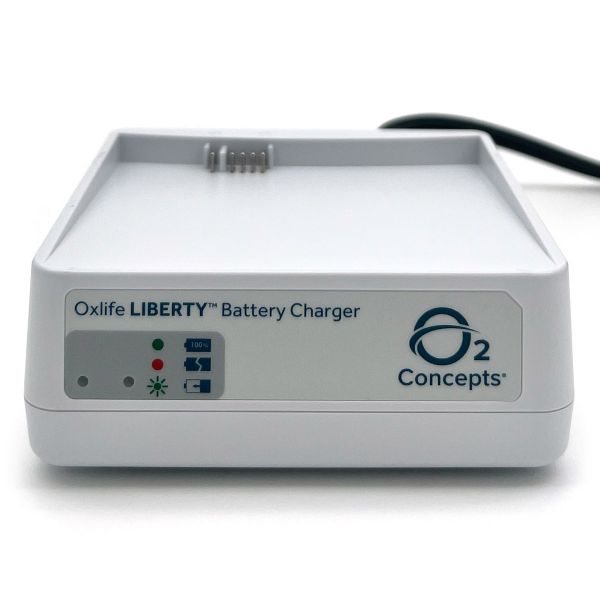
Charge batteries fully before extended use or travel.
Use distilled water for humidifier bottles, and change the water daily.
If your equipment makes strange noises, loses power, or shows warning lights, contact your supplier right away. We offer lifetime support, so our team is always here to answer your questions and help with any equipment problems. In the past, oxygen therapy often kept people at home, but today’s portable concentrators let you go shopping, visit friends, and even fly across the country.
Traveling with Oxygen:
Check airline policies. Most major airlines allow FAA-approved portable oxygen concentrators on board.
Bring backup batteries. Aim for 150% of your expected travel time.
Pack supplies. Extra cannulas, power cords, and a prescription note from your doctor.
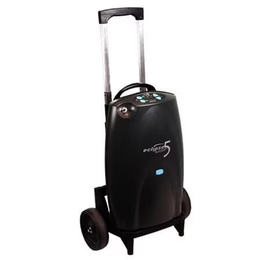
Let hotels or travel providers know ahead of time if you need oxygen-related accommodations. At 1st Class Medical, we offer a range of portable concentrators, like the Inogen One G5 and Caire FreeStyle Comfort, which are great for people who want to travel or stay active.
7. Common Myths About Oxygen Therapy
Myth #1: Oxygen is only for end-stage illness.
Truth: Many people use oxygen long before reaching severe stages of disease—and it often helps them stay active longer.
Myth #2: You’ll get “addicted” to oxygen.
Truth: Oxygen is not addictive. If your body needs it, it’s because your lungs can’t supply enough—not because you’ve become dependent.
Myth #3: Oxygen tanks are better than concentrators.
Truth: Both have advantages. Concentrators are easier to maintain and don’t require refills, making them ideal for daily and portable use.
Myth #4: You can’t leave home while on oxygen.
Truth: With modern POCs, you can travel, shop, and even go on vacation.
Learning the facts helps clear up these myths and makes people feel more confident about their treatment.
8. Choosing the Right Oxygen Equipment
Choosing the right oxygen device is essential. It should match your medical needs, lifestyle, and budget.
Expert consultations to help match you with the right unit
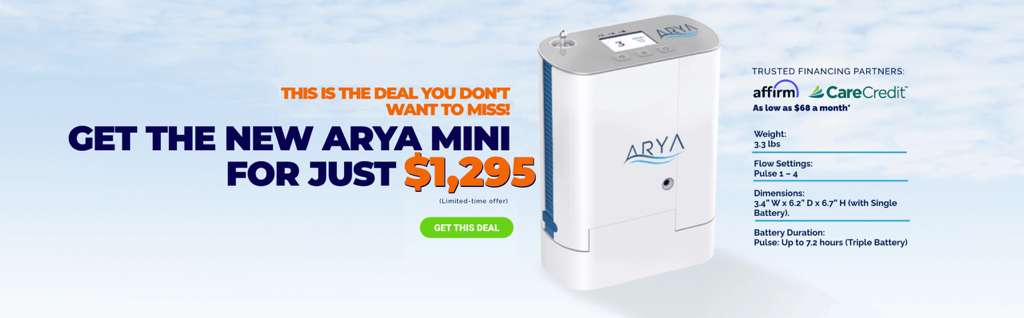
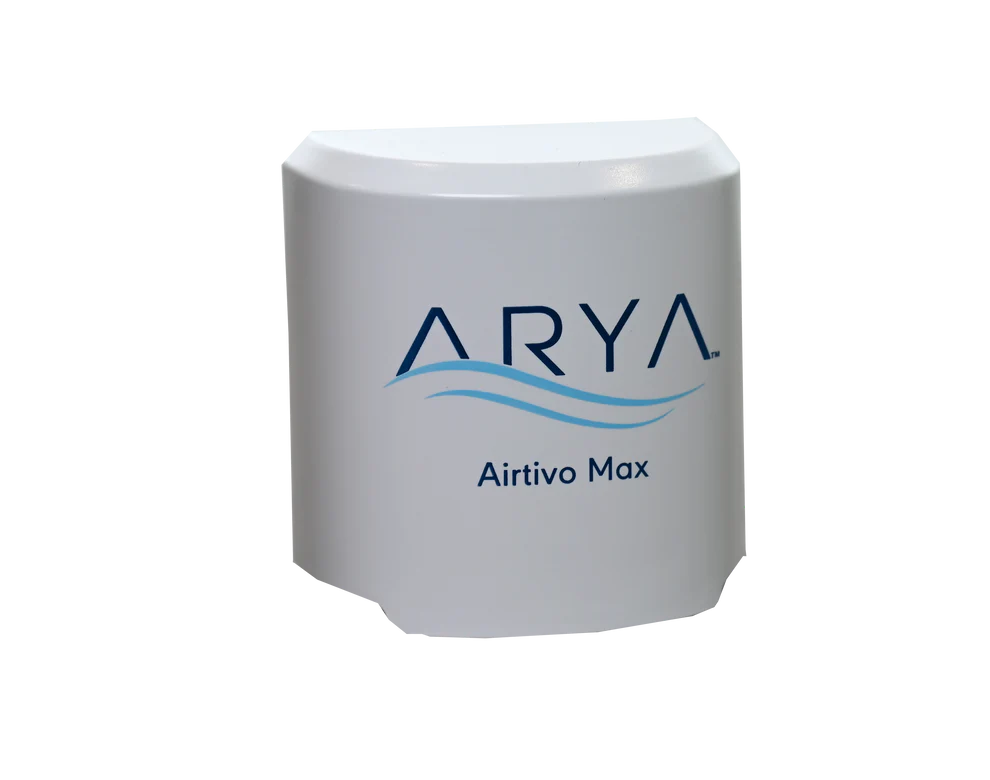
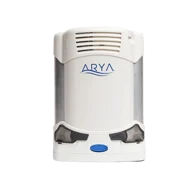
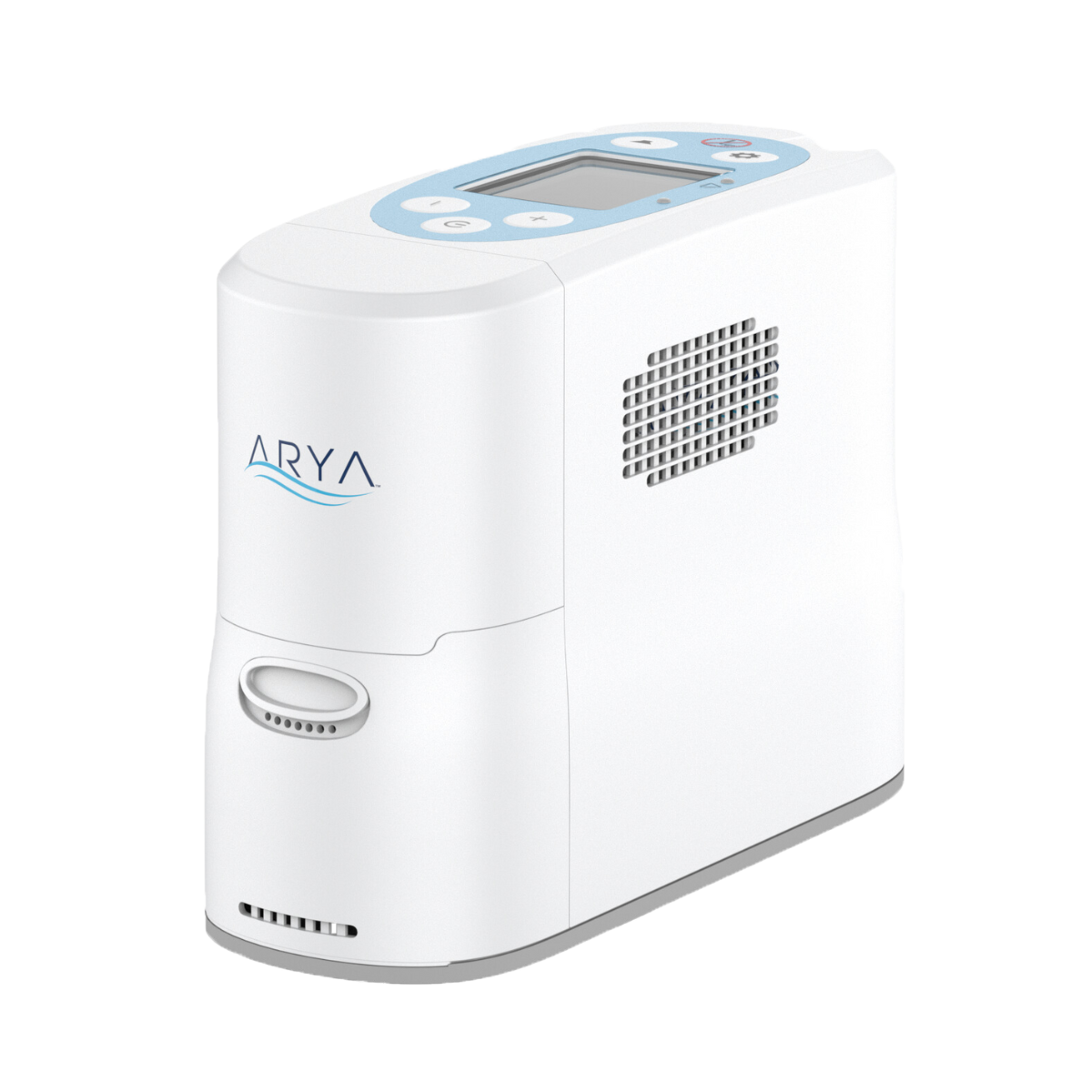
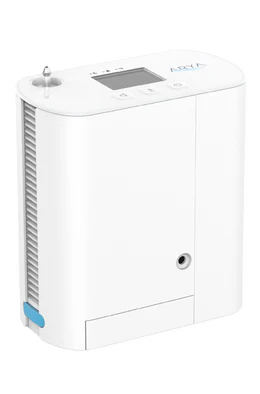
Top brands like ARYA, Inogen, Caire, and many more!
Lifetime technical support
FAA-approved portable concentrators for travel
Financing options and warranty coverage
We believe you should get top-quality care every step of the way.
9. Final Thoughts: Empowering You Through Education
Oxygen therapy can change lives and even save them, but it works best when you know how to use it safely and feel confident. Whether you’re a patient, a caregiver, or just learning, knowing more is always helpful.
We want to help you live with freedom, dignity, and confidence. Our team can guide you in choosing equipment like portable oxygen concentrators, CPAP machines, or mobility solutions that fit your lifestyle. We offer support from your first questions to ongoing help after your purchase. – Call us today 1-800-520-5726
Living with COPD means paying attention to many aspects of your health, from medication schedules to breathing exercises. But there’s another powerful tool in your respiratory...
When it comes to portable oxygen therapy, finding the perfect balance of performance, portability, and price can feel impossible. Too often, oxygen users are forced...
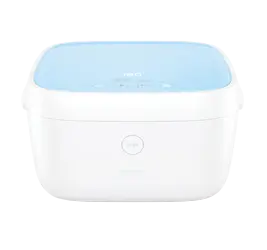
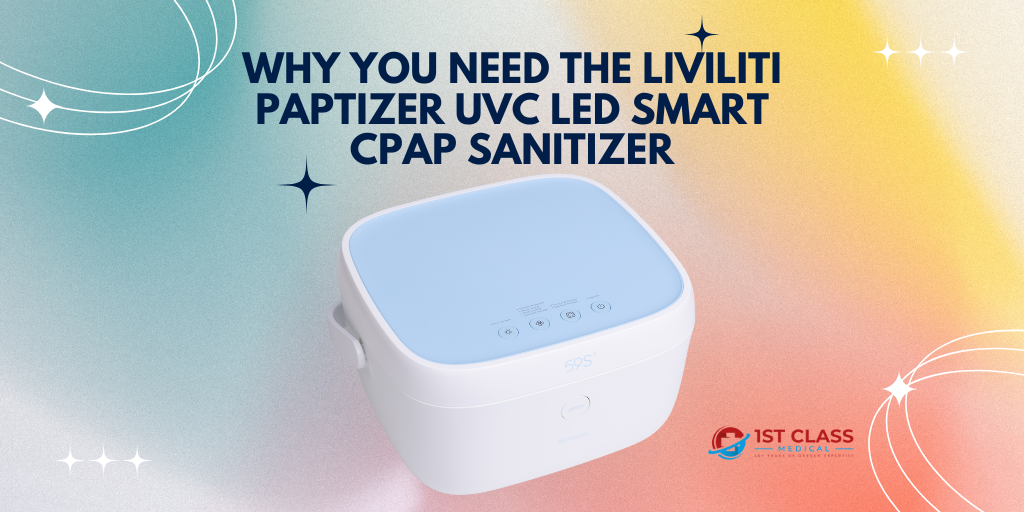
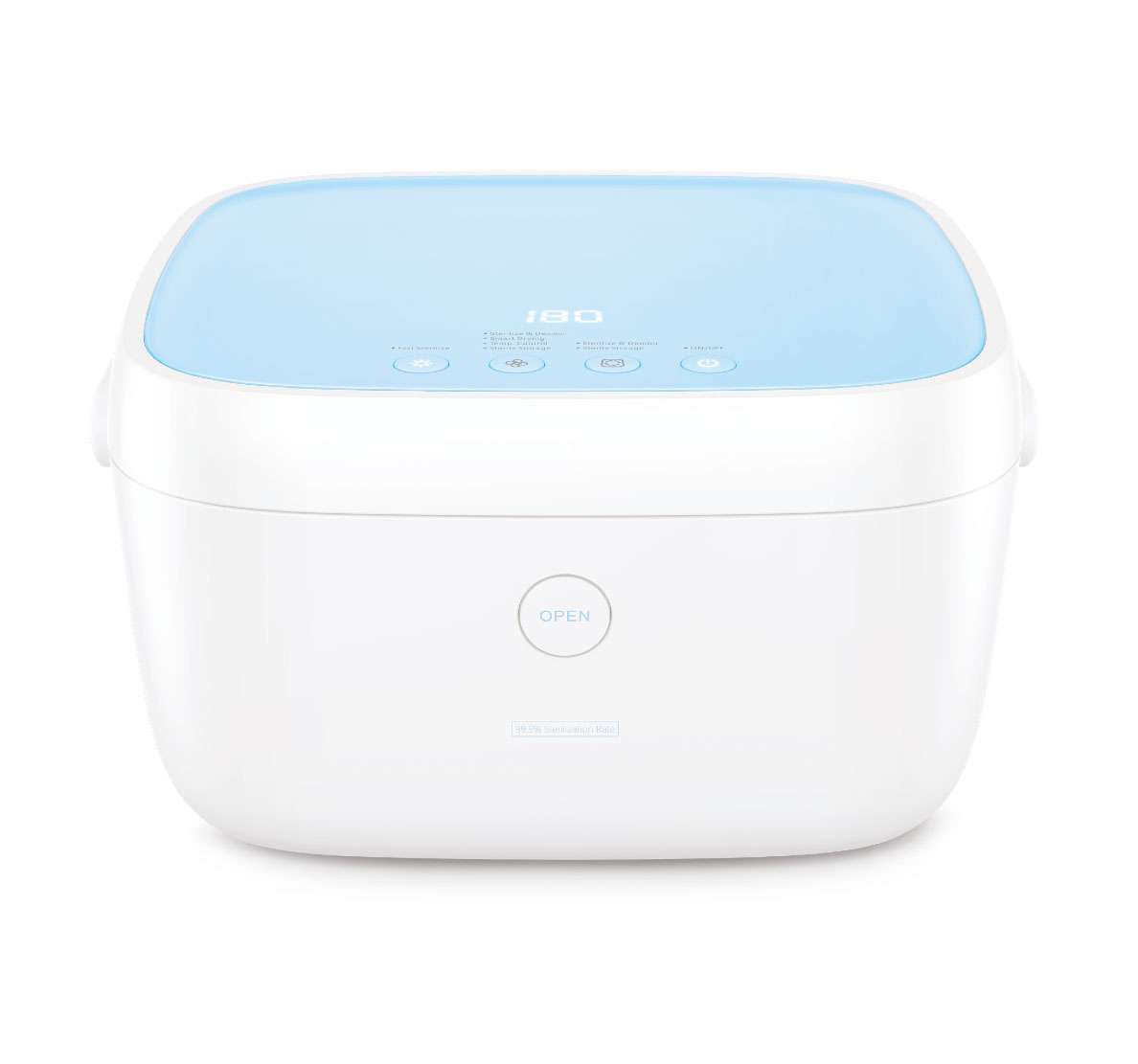
Introducing the Liviliti Paptizer UVC LED Smart CPAP Sanitizer, a highly advanced and innovative device crafted to provide reassurance by keeping your personal items free from germs....
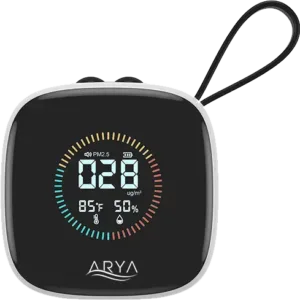
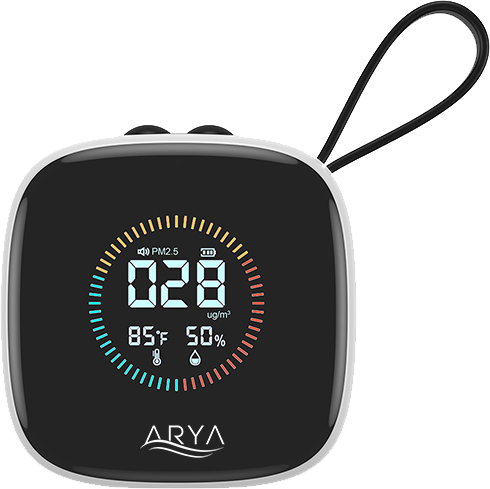
The Arya Guardian is a state-of-the-art air quality monitor designed to help individuals, especially those with COPD, track the air quality around them. By providing real-time updates on pollutants...
Traveling with a CPAP (Continuous Positive Airway Pressure) machine can occasionally present some challenges, particularly when you’re trying to maintain your sleep apnea treatment regimen...
Our respiratory specialists are here to help with exclusive deals, personalized recommendations, and support at every step of your journey to better breathing.





 23Jun
23Jun












Comments are closed