How Portable Oxygen Therapy Improves Quality of Life for COPD Patients
Living with COPD means your lungs have to work much harder just to get the oxygen your body needs. Everyday tasks that once felt effortless, walking to the mailbox, cooking dinner, and playing with grandchildren, can become exhausting when your oxygen levels drop. That’s where portable oxygen therapy steps in, and for millions of people, it has made a profound difference.
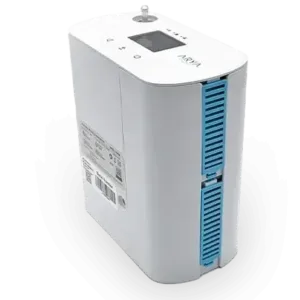
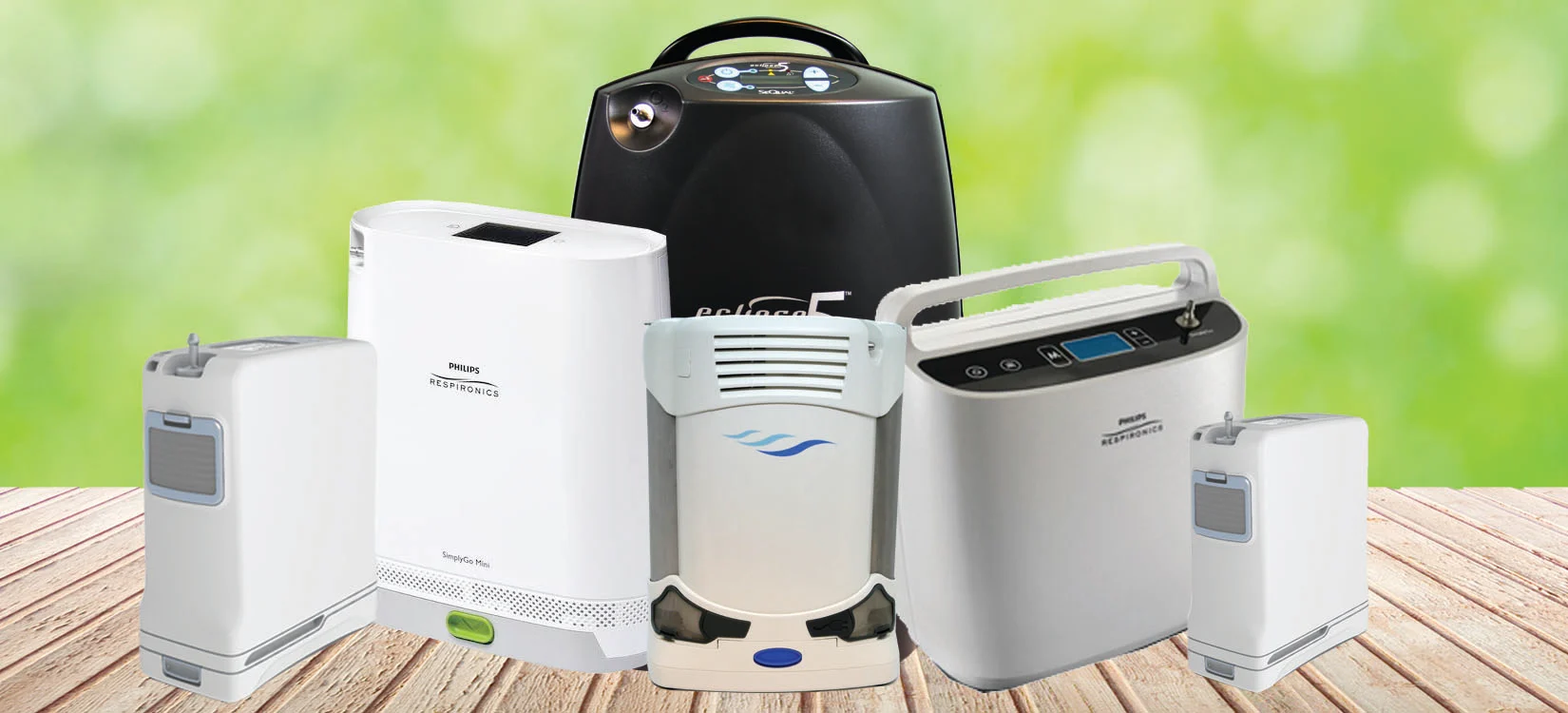
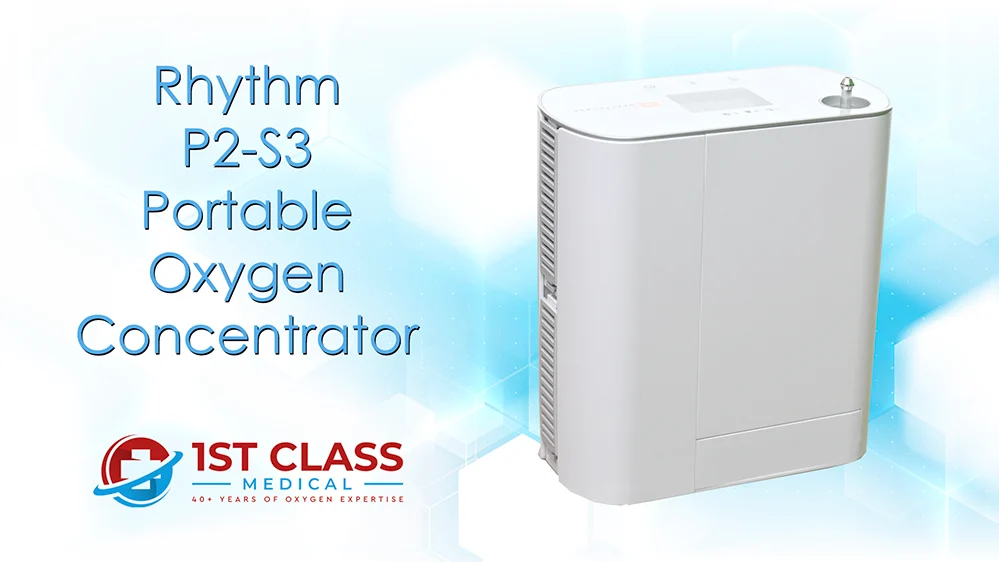
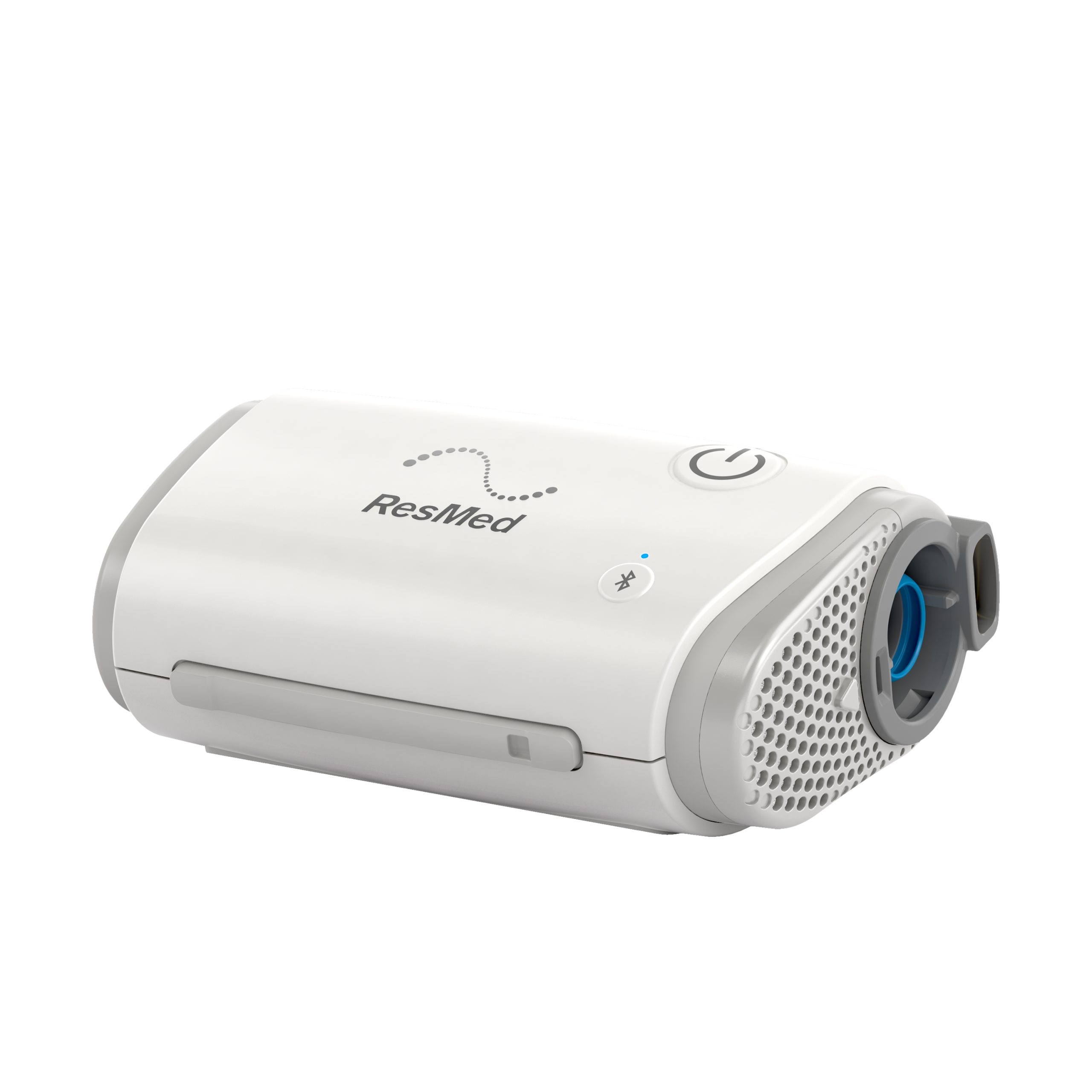
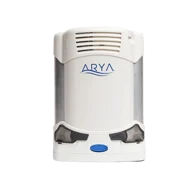
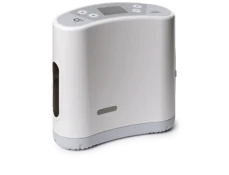
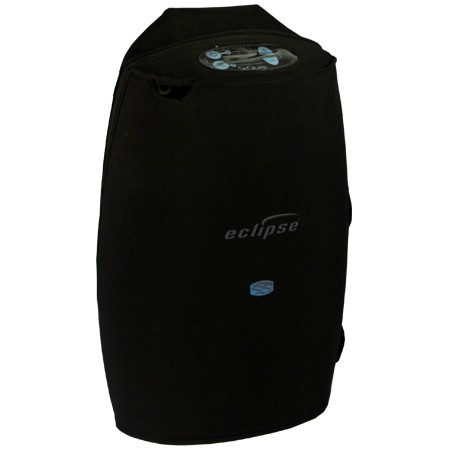
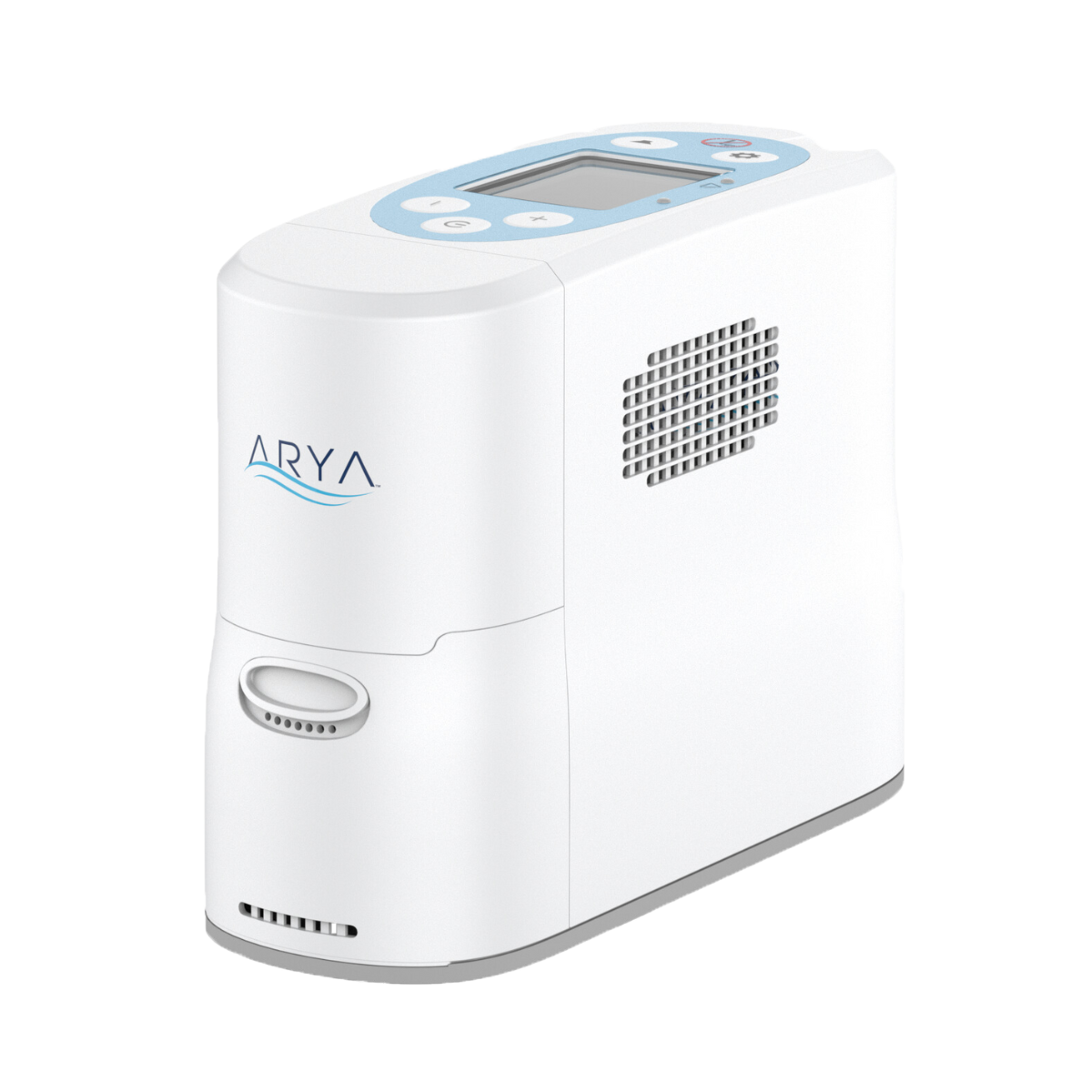
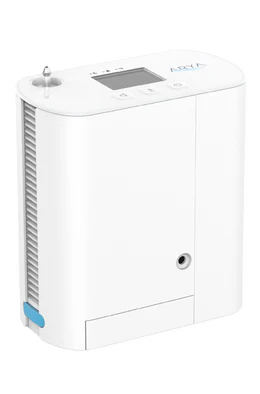
Portable oxygen concentrators (POCs) are small, lightweight devices that pull oxygen from the surrounding air and deliver it directly to the user. Unlike heavy oxygen tanks that restrict movement, today’s portable units are designed to travel with you on a plane, to a restaurant, or simply from room to room at home.
But beyond the clinical benefits, what does portable oxygen therapy actually do for your daily life? Let’s take a closer look.
1. More Energy for the Things That Matter
One of the most immediate changes people report after starting portable oxygen therapy is a significant boost in energy. When your blood oxygen levels are consistently low, your heart works overtime to compensate, leaving you feeling drained, foggy, and fatigued.
Supplemental oxygen helps restore those levels to a healthier range, which means your heart doesn’t have to work as hard, your muscles get the fuel they need, and your brain functions more clearly. Many patients describe it as ‘getting their life back’, being able to stay awake through a full movie, go grocery shopping without stopping to rest, or simply have a conversation without feeling winded.
2. Freedom to Move and Travel
One of the biggest quality-of-life improvements that comes with a portable oxygen concentrator is freedom. Traditional stationary oxygen concentrators keep patients tethered to their homes. Portable units change that entirely.
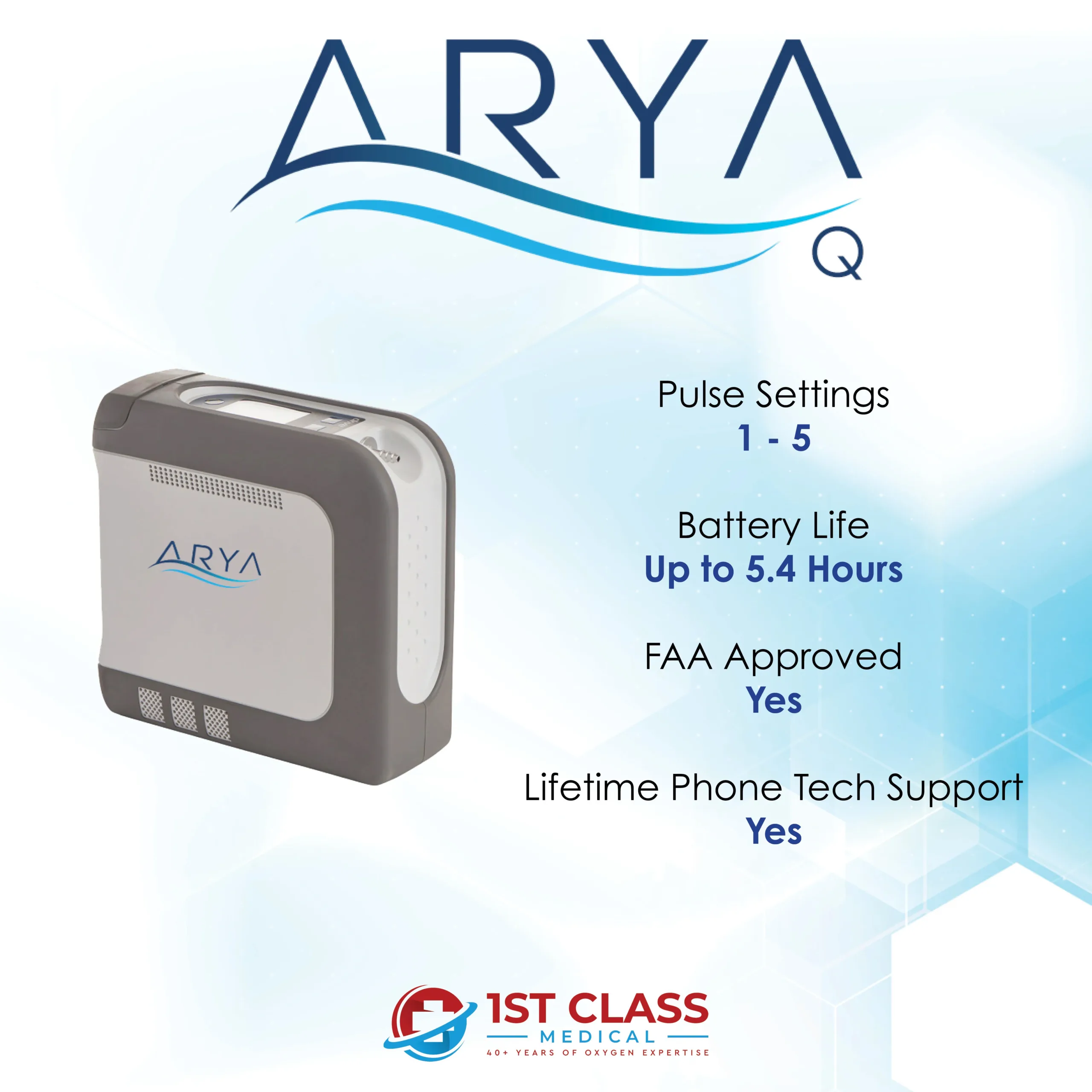
Modern POCs are FAA-approved for air travel, compact enough to fit in a carry-on bag, and run on rechargeable batteries or car power adapters. Whether you’re visiting family across the country or just taking a walk around the neighborhood, you no longer have to choose between your health and your independence.
For adults managing COPD or other respiratory conditions, this freedom is not a small thing. It means staying socially connected, maintaining an active lifestyle, and preserving a sense of normalcy that the disease can otherwise chip away at.
3. Better Sleep and Overnight Rest
Many COPD patients experience nocturnal hypoxemia, a drop in blood oxygen levels during sleep. This can cause fragmented sleep, morning headaches, and daytime fatigue, which creates a cycle that makes the disease feel even more exhausting to live with.
Portable oxygen concentrators with continuous flow settings, or home concentrators used overnight, help maintain stable oxygen levels throughout the night. The result is deeper, more restorative sleep — and patients who sleep better feel better in every other area of their life too.
Improved sleep also supports heart health, immune function, and mood regulation — all of which are particularly important for those managing a chronic illness.
4. Improved Mental and Emotional Well-Being
The connection between oxygen levels and mental health is often underestimated. When the brain doesn’t receive adequate oxygen, it can lead to increased anxiety, difficulty concentrating, and even depression. These symptoms are common in COPD patients and are frequently attributed to the disease itself, but low oxygen may be a major contributing factor.
Portable oxygen therapy helps address this at the source. Patients on consistent supplemental oxygen often report feeling calmer, less anxious, and more mentally sharp. Knowing that you have a reliable source of oxygen with you at all times also reduces the fear and hypervigilance that can accompany a chronic breathing condition.
Simply put, breathing better helps you feel better physically and emotionally.
5. Supporting an Active Lifestyle
Physical activity is one of the most important things a COPD patient can do to slow disease progression. Exercise strengthens the respiratory muscles, improves cardiovascular health, and helps maintain a healthy weight, all of which ease the burden on your lungs.
But exercise is difficult when every step leaves you gasping. Portable oxygen therapy makes it possible to stay active. Many users report being able to walk longer distances, participate in pulmonary rehabilitation programs, and even engage in light recreational activities they thought were behind them.
Using oxygen during exercise also helps prevent dangerous dips in blood oxygen saturation that can be harmful to the heart. Your doctor can help determine the right flow rate for activity versus rest.
6. Reduced Hospital Visits
Consistent use of supplemental oxygen, as prescribed by a physician, is associated with fewer COPD exacerbations and hospitalizations. When oxygen levels are better managed daily, the risk of sudden respiratory episodes decreases, which means fewer emergency room visits and overnight stays.
This has a cascading effect on quality of life. Less time in the hospital means more time at home, more time with loved ones, and less disruption to the routines that provide structure and comfort.
Final Thoughts
Portable oxygen therapy is not just a medical device; it’s a tool for reclaiming life. For COPD patients, it can mean the difference between sitting on the sidelines and staying fully engaged with the world around them.
If you or a loved one has been prescribed supplemental oxygen, exploring portable options is well worth the conversation with your doctor. Modern units are quieter, lighter, and more capable than ever before, and the right device can open up a level of independence and comfort that makes a genuine difference every single day.
At 1st Class Medical, we carry a wide selection of portable oxygen concentrators to suit every lifestyle and prescription need. Our team is here to help you find the right fit, because you deserve to breathe easier and live fuller.
When it comes to portable oxygen therapy, finding the perfect balance of performance, portability, and price can feel impossible. Too often, oxygen users are forced...
When you have received a COPD diagnosis, it is often followed by a prescription for medical grade oxygen. You are left feeling overwhelmed with a wealth...
Our respiratory specialists are here to help with exclusive deals, personalized recommendations, and support at every step of your journey to better breathing.







 23Jun
23Jun









Comments are closed