Chronic Obstructive Pulmonary Disease (COPD) is a long-term lung condition that affects millions of people, often going unnoticed in its early stages. The symptoms often start out mild, making them easy to miss or ignore. Many people live with early signs of COPD for years before they are diagnosed.
Noticing the early warning signs of COPD can make a big difference. Finding COPD early means you can start treatment, make lifestyle changes, and keep track of your health to slow the disease and feel better overall. At 1st Class Medical, we believe that knowing these early symptoms helps people take charge of their breathing health.
What Is COPD?
COPD is a long-term lung disease that makes it harder to breathe as time goes on. It primarily includes two conditions: chronic bronchitis, a long-lasting inflammation of the airways, and emphysema, which damages the air sacs in the lungs.
COPD gets worse over time if it is not treated. There is no cure, but early detection and effective management can help people stay active, independent, and comfortable for longer.
Why Early Warning Signs Are Often Missed
In the early stages, COPD symptoms are often mild and develop gradually. Many people attribute these changes to aging, poor fitness, allergies, or temporary respiratory infections. Because symptoms typically do not appear suddenly, they are easy to dismiss.
If early warning signs are ignored, lung damage can keep getting worse. By the time symptoms interfere with daily life, the disease may already be more advanced. Learning to spot early signs is important for protecting your lungs.
Shortness of Breath During Everyday Activities
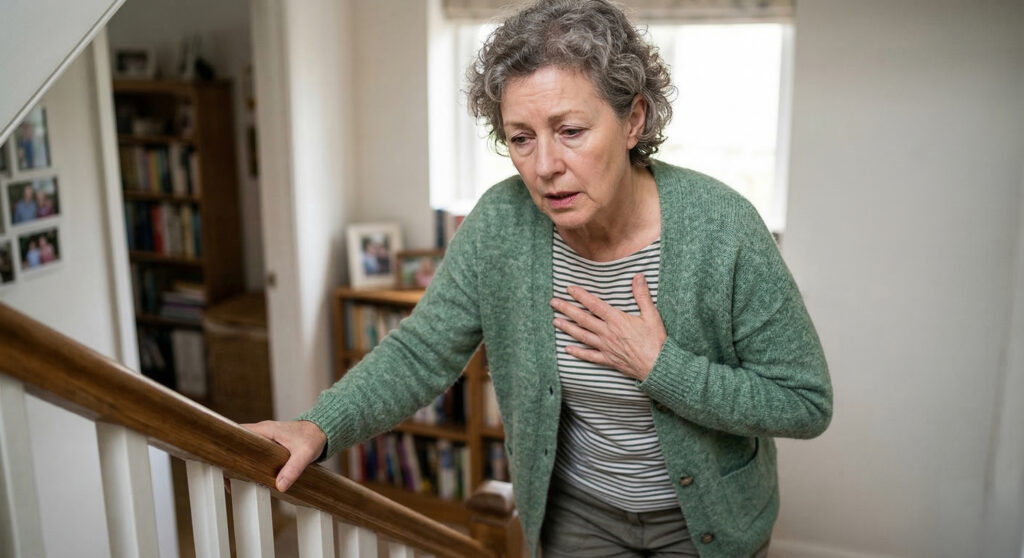
One of the first and most common signs of COPD is feeling short of breath, especially when being active. Everyday tasks that used to be easy, like walking up stairs, carrying groceries, or doing light exercise, may start to feel harder.
Early shortness of breath may:
Occur only during exertion
Improve with rest
Be dismissed as being “out of shape.”
Over time, this symptom can get worse and start to affect your daily life. If you notice any changes in your breathing that you cannot explain, talk to a healthcare provider.
A Persistent or Recurring Cough
It is normal to have a cough once in a while, especially during cold or allergy season. But a cough that lasts for weeks or months could be an early sign of COPD.
This cough may:
Be dry or productive
Occur daily or frequently
Be more noticeable in the morning
Many people, especially those who smoke or used to smoke, think a long-lasting cough is normal. In fact, it can be a sign of ongoing irritation and airway swelling.
Increased Mucus or Phlegm Production
Making more mucus than usual is another early warning sign of COPD. The lungs may produce excess mucus when irritated, making it harder to keep the airways clear.
Signs of abnormal mucus production include:
Thick or sticky phlegm
Mucus that appears frequently
Needing to clear the throat often
Do not ignore changes in the color, thickness, or amount of mucus, especially if you also have other breathing problems.
Frequent Respiratory Infections
People with early COPD may find they get sick more often, especially with colds, bronchitis, or other lung infections. These illnesses may:
Take longer to resolve
Occur multiple times per year
Worsening breathing symptoms
Getting infections over and over can cause more lung damage and make COPD get worse faster. That is why it is important to get checked early.
Wheezing or Chest Tightness
Wheezing, which is a whistling or squeaky sound when you breathe, can be an early sign that your airways are getting narrower. Chest tightness may feel like pressure, discomfort, or trouble taking a deep breath.
These symptoms can come and go, making them easy to miss. But if you have wheezing that keeps coming back, you should get it checked, especially if you have risk factors for COPD.
Fatigue and Low Energy Levels
When airflow is limited, breathing takes more effort. Because of this, early COPD can make you feel more tired, even if you are doing your usual daily activities.
People may notice:
Feeling tired after routine tasks
Reduced stamina
Difficulty maintaining previous activity levels
Feeling tired can be hard to notice, but if you also have changes in your breathing, it could mean your lungs are not working as well as before.
Difficulty Recovering After Physical Activity
Another early sign of COPD is needing more time than usual to catch your breath after exercise or activity. Everyone needs some time to recover, but if it takes longer than before, it could mean your lungs are not working as well as they should.
This symptom usually comes on slowly, so it is easy to explain away. Watching how quickly your breathing returns to normal can help you notice changes in your lung health.
Who Is Most at Risk for Early COPD Symptoms?
Some people are more likely to notice early warning signs and should pay extra attention.
Higher-Risk Groups Include:
Current or former smokers
People exposed to secondhand smoke
Individuals exposed to dust, chemicals, or fumes
Those with a family history of COPD
People with Alpha-1 Antitrypsin Deficiency
If you are in one of these groups, even mild symptoms are a good reason to talk to your healthcare provider.
When Should You See a Doctor?
If you have any of the symptoms listed above, especially if they do not go away or get worse, it is important to see a doctor. Early testing can show if your symptoms are from COPD or something else.
Doctors may use:
Spirometry (lung function testing)
Imaging studies
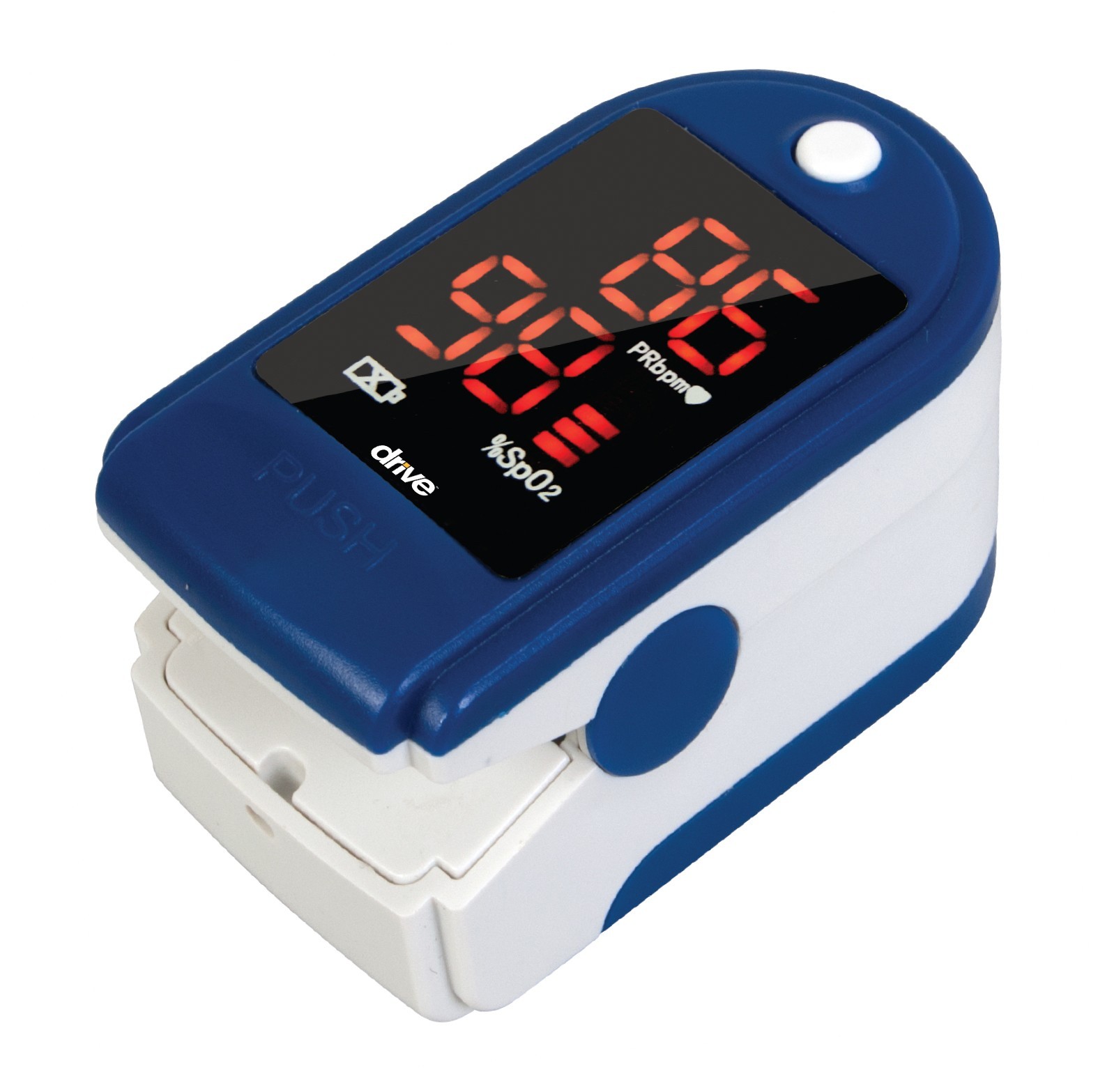
Oxygen level monitoring
Medical history reviews
Being diagnosed early does not always mean the disease is severe. Often, it gives you a chance to slow it down and protect your lungs.
How Early Detection Can Improve Quality of Life
Identifying COPD early allows individuals to make meaningful changes, such as:
Quitting smoking
Avoiding lung irritants
Starting appropriate medications
Participating in pulmonary rehabilitation
Monitoring oxygen levels over time
These steps can help reduce symptoms, prevent problems, and keep you independent.
Understanding Oxygen Therapy and COPD
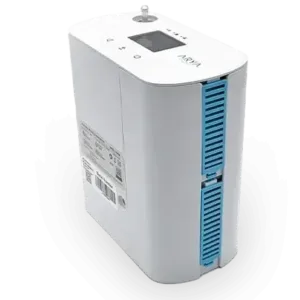
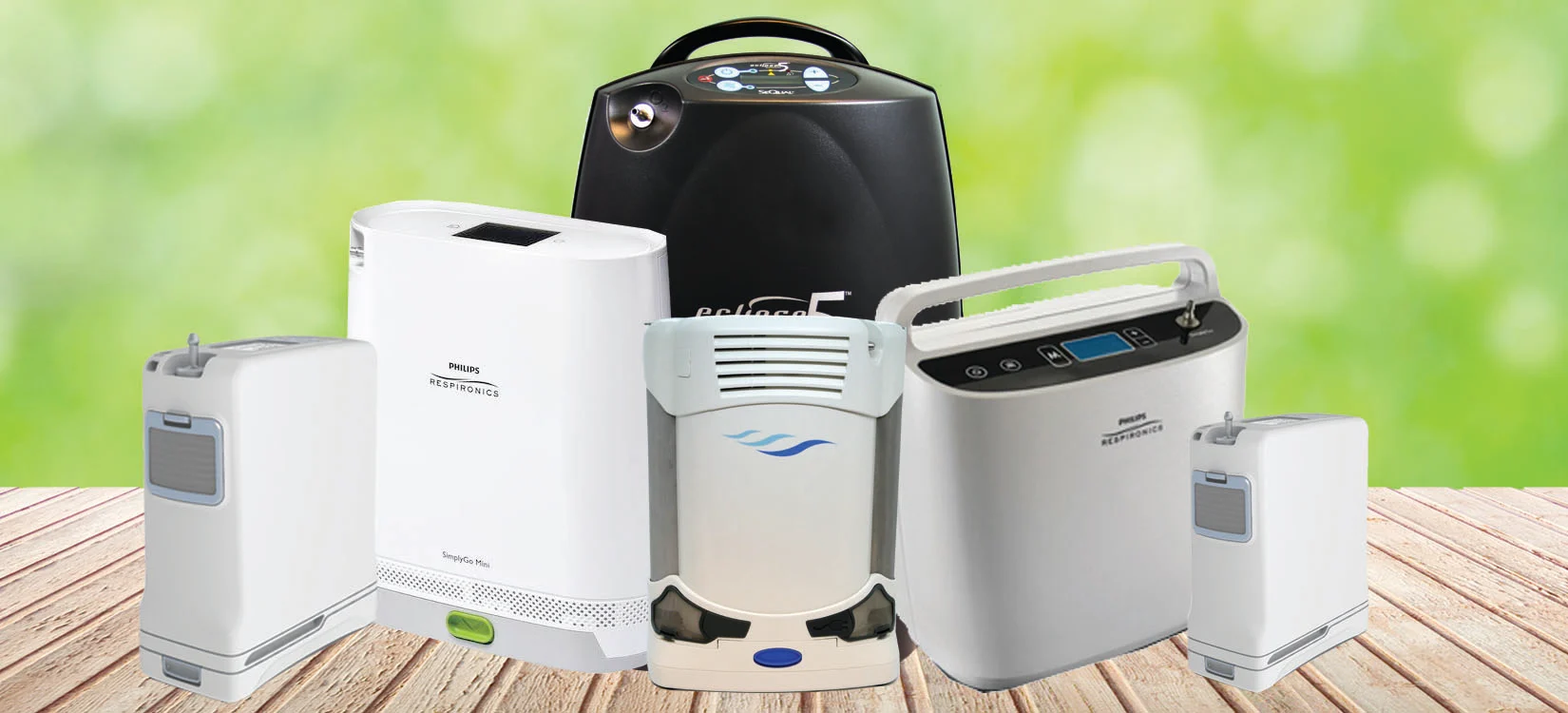
Oxygen therapy is often linked to advanced COPD, but finding COPD early helps doctors keep track of your oxygen needs before symptoms get worse. Not everyone with COPD will need extra oxygen, but regular checkups make sure you get help if you need it.
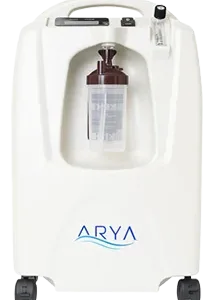
At 1st Class Medical, we offer reliable oxygen equipment and resources to support people living with chronic breathing conditions at every stage of their condition.
Taking Control of Your Respiratory Health
COPD develops slowly, and early warning signs are easy to miss. Watching for changes in your breathing, energy, and overall lung health can make a real difference.
If you ignore symptoms, you might delay getting care. But if you notice them early, you can take action and improve your long-term health.
Supporting You Every Step of the Way
At 1st Class Medical, we know how important early awareness and ongoing support are for your breathing. Whether you are just learning about COPD or already managing it, having good information and equipment can help you breathe easier and live with more confidence.
This content is for informational purposes only and is not intended as medical advice. Always consult a qualified healthcare professional regarding diagnosis, treatment, or respiratory care.
When it comes to portable oxygen therapy, finding the perfect balance of performance, portability, and price can feel impossible. Too often, oxygen users are forced...
Sleep apnea is a frequent and important sleep disorder that involves repeated interruptions in breathing while you snooze.These pauses in breathing might last anywhere from...
When you have received a COPD diagnosis, it is often followed by a prescription for medical grade oxygen. You are left feeling overwhelmed with a wealth...
Our respiratory specialists are here to help with exclusive deals, personalized recommendations, and support at every step of your journey to better breathing.






 23Jun
23Jun










Comments are closed