Many people think Chronic Obstructive Pulmonary Disease (COPD) only affects older adults or long-term smokers. In reality, COPD can start developing years or even decades before any apparent symptoms show up. So, how early can COPD be diagnosed?
Early detection of COPD can help slow the disease, improve quality of life, and enable people to take steps to protect their lungs. At 1st Class Medical, learning about early detection and treatment is key to managing chronic respiratory conditions.
What Is COPD?
COPD is a long-term lung disease that makes it hard to breathe. It mainly includes emphysema and chronic bronchitis. Over time, COPD makes it harder to move air in and out of your lungs, causing symptoms such as shortness of breath, a persistent cough, wheezing, and fatigue.
COPD is progressive, meaning it typically worsens over time. While there is no cure, early diagnosis and proper management can significantly slow its progression and help individuals maintain an active, fulfilling life.
Why Early Diagnosis of COPD Matters
A significant challenge with COPD is that it often goes undiagnosed early on. Many people think early symptoms are just signs of aging, being out of shape, or allergies. This delay can let lung damage get worse without treatment.
Early diagnosis allows individuals to:
Make lifestyle changes that protect lung function
Avoid continued exposure to harmful irritants
Begin appropriate treatment plans sooner
Monitor lung health more closely over time
Getting help early can delay the need for more advanced treatments, such as oxygen therapy, later on.
How Early Can COPD Actually Be Diagnosed?
Doctors can sometimes diagnose COPD in people as young as their 30s or 40s, and rarely even earlier, depending on risk factors. The disease often starts long before symptoms get bad enough to affect daily life.
For individuals with significant risk factors—such as smoking history, occupational exposure, or genetic conditions—doctors may detect early signs of COPD well before the disease becomes advanced.
Early Signs and Symptoms of COPD
Early COPD symptoms are often mild and easy to miss. Some common early warning signs are:
Mild shortness of breath during physical activity
A lingering or occasional cough
Increased mucus or phlegm production
Frequent respiratory infections
Feeling winded more easily than before
Since these symptoms develop slowly, many people become accustomed to them without realizing their lungs are weakening.
Who Should Be Screened Early for COPD?
Not everyone needs early screening, but some people may benefit from getting checked sooner.
High-Risk Groups Include:
Current or former smokers
People exposed to secondhand smoke
Individuals exposed to dust, chemicals, or fumes at work
Those with a family history of COPD
People with a genetic condition called Alpha-1 Antitrypsin Deficiency
If you are in one of these groups and notice changes in your breathing, early testing can help find COPD before it gets serious.
How Doctors Diagnose COPD
Diagnosing COPD involves a combination of medical history, symptom evaluation, and diagnostic testing.
Spirometry: The Gold Standard
The most common test used to diagnose COPD is spirometry, a simple breathing test that measures how much air you inhale and exhale and how quickly you exhale. Spirometry can often detect airflow limitation before symptoms become severe.
Additional Diagnostic Tools
Depending on the situation, a healthcare provider may also use:
Chest X-rays or CT scans
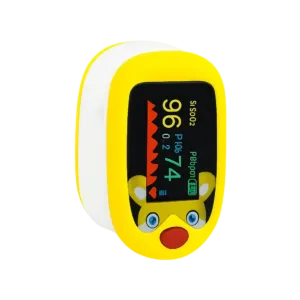
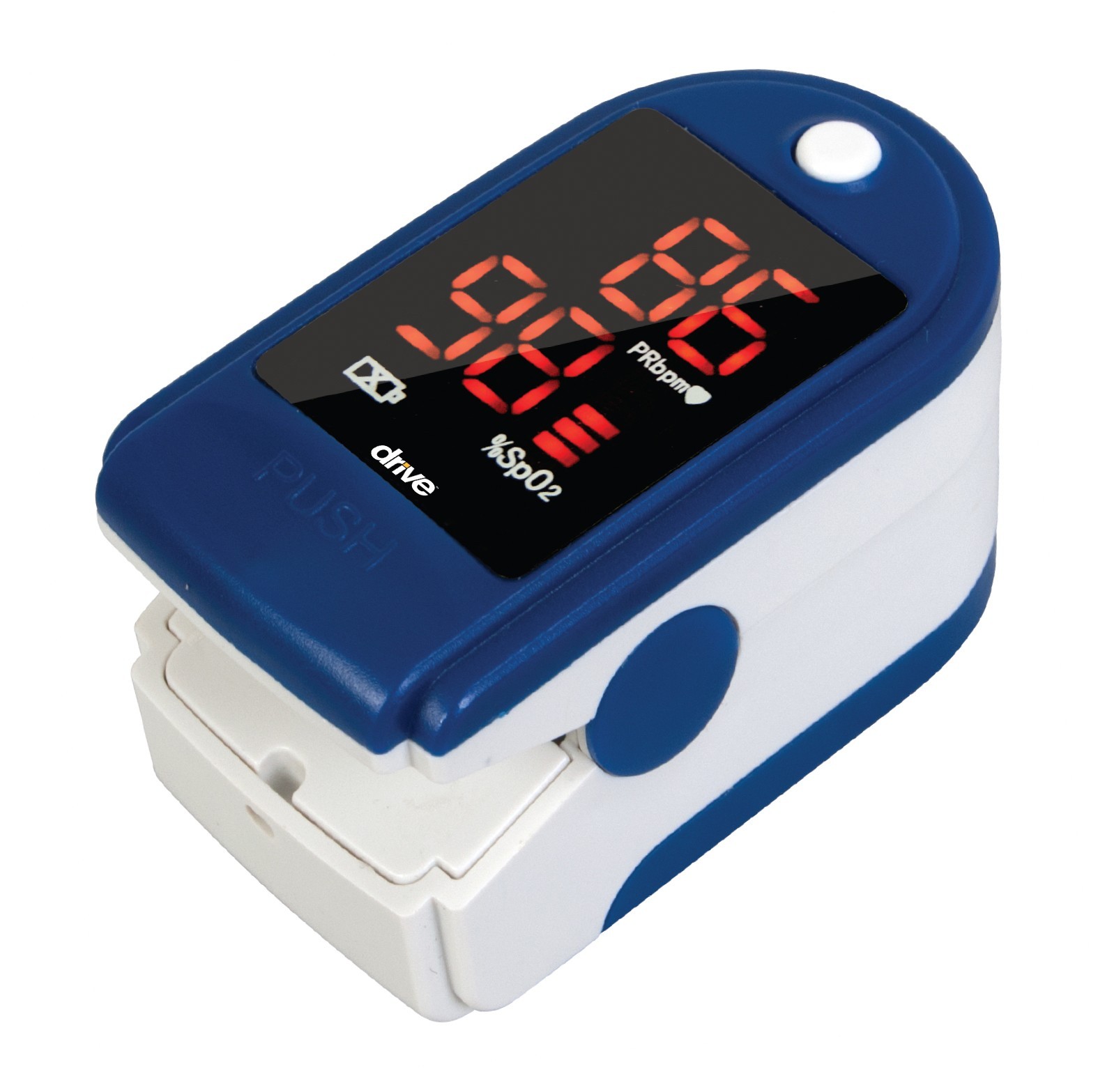
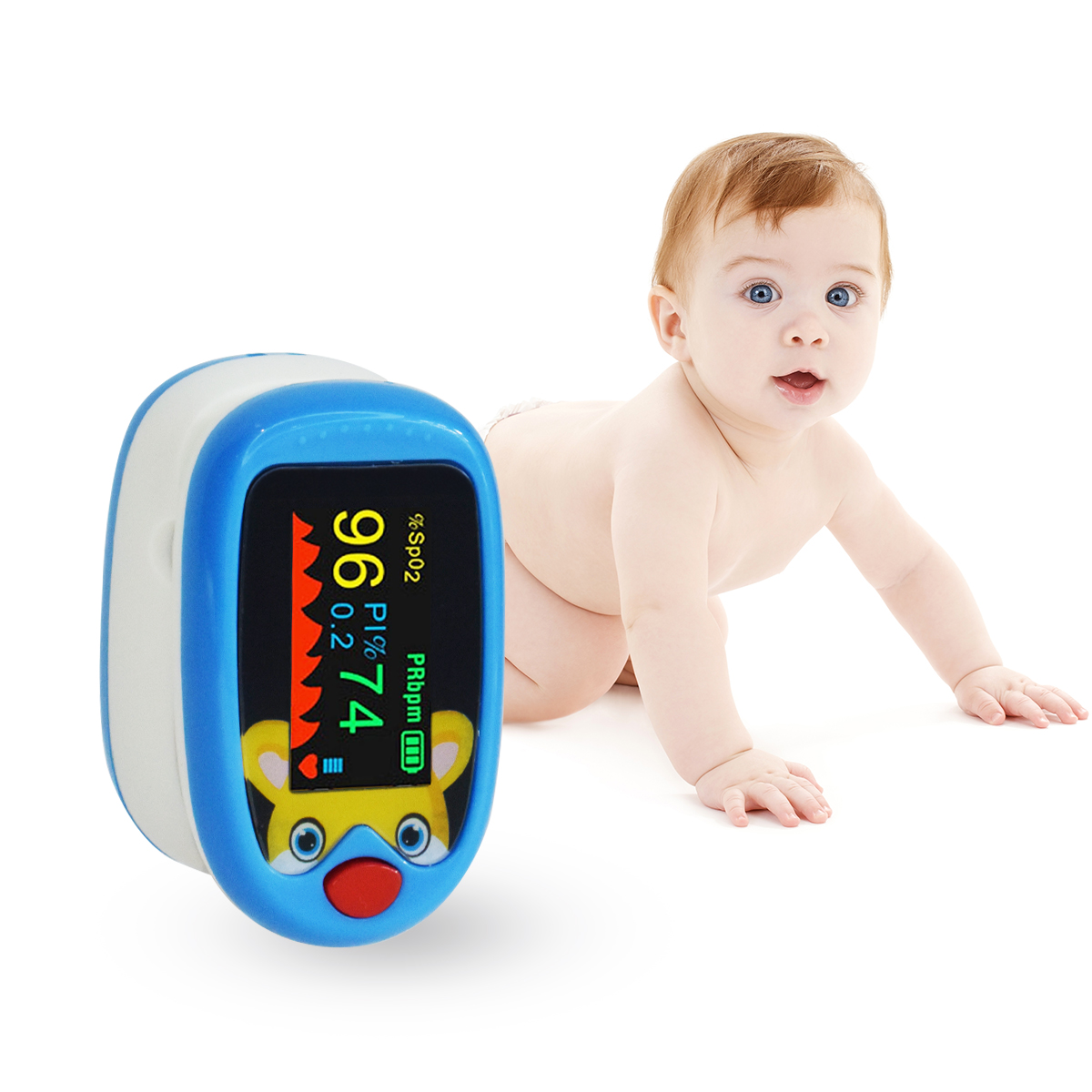
Oxygen saturation testing
Blood tests to rule out genetic causes
Exercise tolerance tests
These tests help doctors assess the severity of COPD and determine the best treatment.
Can COPD Be Diagnosed Before Symptoms Appear?
Sometimes, yes. Early-stage COPD can show up during regular lung function tests, especially in people with known risk factors. However, because routine screening is uncommon, many early cases go undetected until symptoms are more obvious.
That’s why people with risk factors should talk to a healthcare provider if they notice even small changes in their breathing. Early testing can give answers and peace of mind, or catch COPD before it gets worse.
Stages of COPD and Early Detection
COPD is often categorized into stages based on lung function:
Moderate (Stage 2): Increased shortness of breath and cough
Severe (Stage 3): Frequent exacerbations and reduced activity tolerance
Very Severe (Stage 4): Significant breathing difficulty and low oxygen levels
Doctors usually find COPD early in Stage 1 or 2, when symptoms are easier to manage and treatment works best.
What Happens After an Early Diagnosis?
Getting an early COPD diagnosis can be overwhelming, but it also means you can start taking action. Treatment plans often include:
Smoking cessation support
Inhaled medications to improve airflow
Pulmonary rehabilitation programs
Vaccinations to prevent respiratory infections
Lifestyle changes such as exercise and nutrition support
For some people, tracking oxygen levels is an important part of managing COPD, as they can change over time.
When Does Oxygen Therapy Become Necessary?
Doctors usually prescribe oxygen therapy when COPD makes it hard for your body to keep healthy oxygen levels. It’s not always needed early on, but early diagnosis lets healthcare providers watch your oxygen levels and decide if you might need extra oxygen later.
At 1st Class Medical, we support people at every stage of COPD by providing reliable oxygen equipment and helpful information to help you breathe more easily and feel more confident.
The Role of Ongoing Monitoring
Even after an early diagnosis, it’s essential to have regular checkups and lung function tests. COPD is different for everyone, and it can change at different rates.
Monitoring helps:
Track changes in lung function
Adjust treatment plans
Identify the right time for advanced therapies
Prevent complications
Finding COPD early and keeping up with care can make a big difference in the long run.
Taking the First Step Toward Early Detection
If you or someone you care about has ongoing changes in breathing, especially with known risk factors, talking to a healthcare provider is a good first step. Early checks don’t always mean you have COPD, but they can give helpful information about your lung health.
COPD takes time to develop, and the sooner it’s found, the more ways there are to manage it well.
Supporting Your Respiratory Health with 1st Class Medical
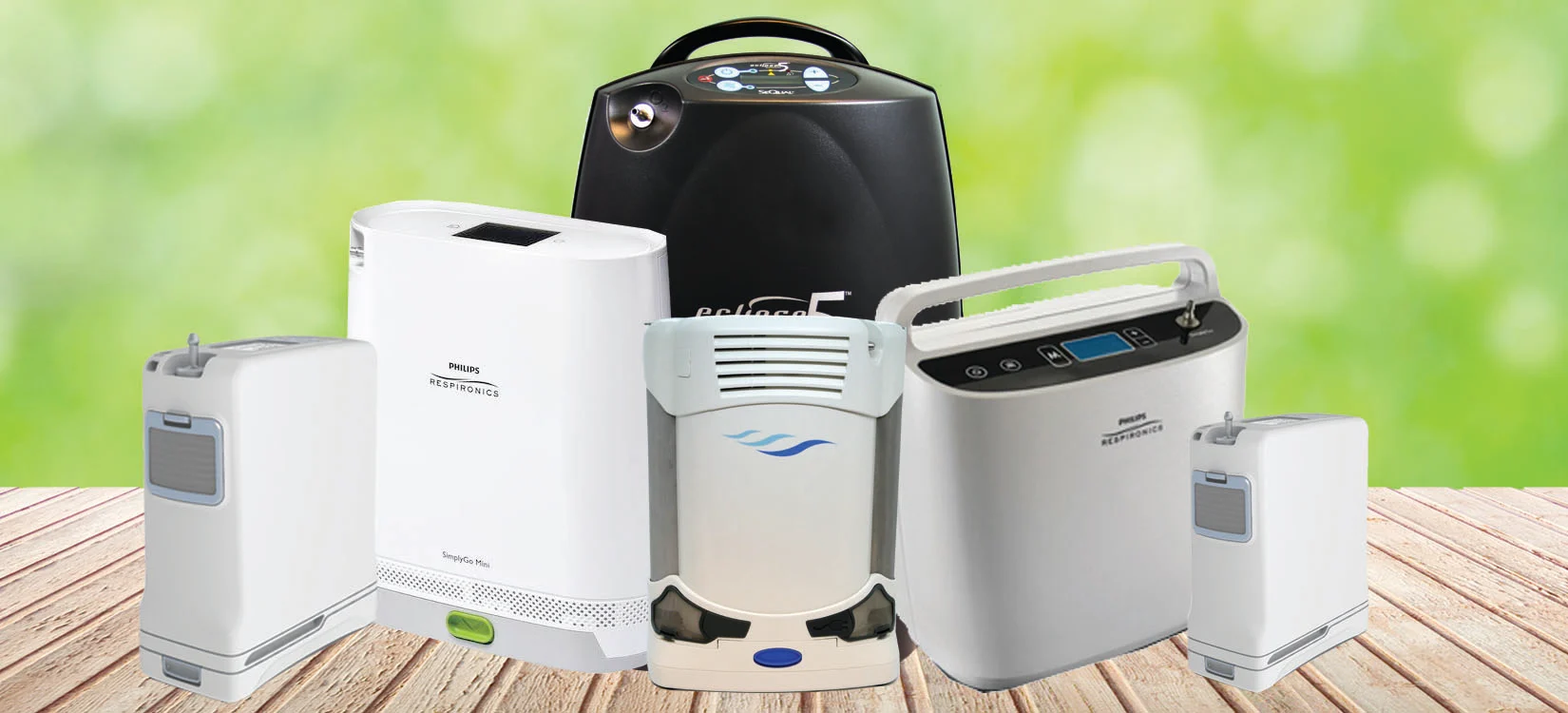
Living with COPD—or working to slow its progression—means having the right tools and support. 1st Class Medical can help you choose the right portable or home oxygen concentrator and accessories, providing reliable solutions and caring service to support your respiratory health.
Early detection of COPD empowers you to take control, make informed choices, and plan for the future with confidence.
This article is for informational purposes only and is not intended as medical advice. Always consult a qualified healthcare professional regarding diagnosis and treatment options.
When it comes to portable oxygen therapy, finding the perfect balance of performance, portability, and price can feel impossible. Too often, oxygen users are forced...
When you have received a COPD diagnosis, it is often followed by a prescription for medical grade oxygen. You are left feeling overwhelmed with a wealth...
Our respiratory specialists are here to help with exclusive deals, personalized recommendations, and support at every step of your journey to better breathing.







 23Jun
23Jun









Comments are closed