Oxygen Therapy & Sleep: Tips for Better Nighttime Breathing
Getting enough sleep is important for your health, mood, and quality of life. If you use oxygen therapy, however, restful sleep can be hard to achieve. Shortness of breath at night, equipment discomfort, worries about oxygen levels, or frequent awakenings can all make it difficult to get the deep rest you need.
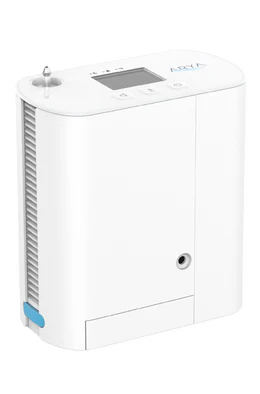
At 1st Class Medical, we know that oxygen therapy continues through the night—and your comfort and confidence should too. Whether you use the ARYA Mini Portable Oxygen Concentrator for flexibility or the ARYA Artivo Max for higher-flow support, improving your nighttime routine can help you sleep better and feel better during the day.
This guide covers how oxygen therapy supports sleep, common nighttime challenges, and practical tips to help you breathe easier and sleep better each night.
Why Oxygen Therapy Matters During Sleep
When you sleep, your breathing slows and becomes shallower. For people with conditions such as COPD, pulmonary fibrosis, or sleep-related hypoxemia, this can cause oxygen levels to drop. If your oxygen level gets too low, your body may wake you up—sometimes without you realizing why.
These disruptions can lead to:
Frequent awakenings
Morning headaches
Daytime fatigue
Poor concentration
Increased shortness of breath
Using oxygen therapy at night helps keep oxygen levels steady, allowing your body to remain in deeper stages of sleep for longer. Over time, this can improve energy, mood, and overall health.
Common Sleep Challenges for Oxygen Therapy Users
Even with the correct oxygen prescription, sleep problems can still occur. Understanding these challenges is the first step toward more comfortable nights.
1. Difficulty Getting Comfortable
Oxygen tubing, cannulas, and devices can feel uncomfortable—especially for side sleepers or people who move frequently during the night.
2. Anxiety About Breathing
Some people feel anxious about falling asleep while using oxygen, worrying about airflow, tubing placement, or how oxygen is delivered.
3. Dryness or Irritation
A steady flow of oxygen can dry out the nose or throat, which may cause discomfort and interrupt sleep.
4. Noise Sensitivity
Even quiet oxygen concentrators can seem loud in a silent bedroom, particularly for light sleepers.
The good news is that with the right setup and habits, many of these issues can be reduced—or even eliminated.
Creating a Sleep-Friendly Oxygen Setup
Your sleep environment plays an important role in making oxygen therapy effective and comfortable at night.
Positioning Your Oxygen Concentrator
The ARYA Mini and ARYA Artivo Max are designed to operate quietly, making them suitable for nighttime use. To maximize comfort:
Place the unit on a stable surface near your bed
Ensure proper ventilation around the device
Avoid positioning it directly beside your head
Use longer tubing if needed to allow freedom of movement
The ARYA Mini is compact and fits easily by your bed without taking up much space. The Artivo Max provides steady, higher-flow support for those who require more oxygen at night.
Managing Tubing for Better Sleep
Tubing issues are among the most common causes of sleep disruption, but small adjustments can make a big difference.
Use a tubing clip or soft strap to secure the tubing to the pajamas
Run tubing behind the headboard to prevent tangling
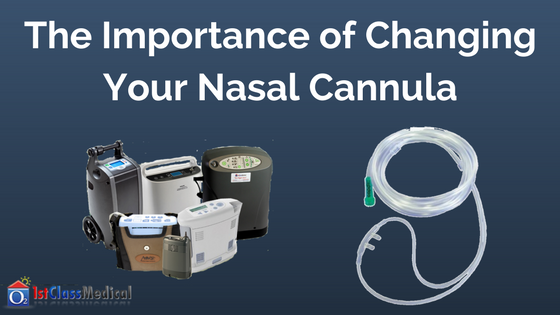
Choose soft, flexible cannulas designed for overnight use
Replace worn tubing regularly to maintain comfort and airflow
These simple steps can reduce pulling and pressure, especially for side sleepers.
Choosing the Best Sleep Position for Easier Breathing
Your sleep position affects how well your lungs expand and how efficiently oxygen circulates through your body.
Recommended Positions
Side sleeping: Often the most comfortable and lung-friendly option
Elevated back sleeping: Raising the upper body with pillows or an adjustable bed can reduce breathlessness
Avoid flat back sleeping: Lying completely flat may increase shortness of breath for some people
Experimenting with pillow placement can help you find a position that supports easier breathing and better rest.
Using Breathing Techniques to Prepare for Sleep
Transitioning from daytime activity to nighttime rest can be challenging, especially if breathing feels difficult. Gentle breathing exercises before bed can help promote relaxation and improve oxygen use.
Pursed-Lip Breathing Before Sleep
Inhale slowly through your nose for two counts
Exhale gently through pursed lips for four counts
Repeat for 5–10 breaths
This technique slows breathing and reduces anxiety, making it easier to fall asleep.
Diaphragmatic Breathing in Bed
Practicing belly breathing while lying down encourages deeper breaths and relaxation.
Place one hand on your abdomen
Inhale slowly, allowing your belly to rise
Exhale fully, feeling your belly fall
This can be especially helpful for easing nighttime shortness of breath.
Managing Dryness and Comfort Overnight
Dry air can irritate nasal passages and disrupt sleep.
Tips to Reduce Dryness
Use a humidifier if recommended by your healthcare provider
Stay well hydrated throughout the day
Apply a water-based nasal gel before bed
Avoid petroleum-based products near oxygen equipment
Comfort-focused accessories can make nighttime oxygen use more pleasant and easier to manage.
Establishing a Consistent Nighttime Routine
A regular routine signals to your body that it’s time to rest. For people using oxygen therapy, consistency can also reduce nighttime anxiety.
Consider a routine that includes:
Light stretching or gentle movement
A warm shower to relax muscles
Breathing exercises
Setting up oxygen equipment at the same time each night
Dimming lights and limiting screen use before bed
Consistency can help you feel more confident and comfortable using oxygen overnight.
How the ARYA Mini & ARYA Artivo Max Support Better Sleep
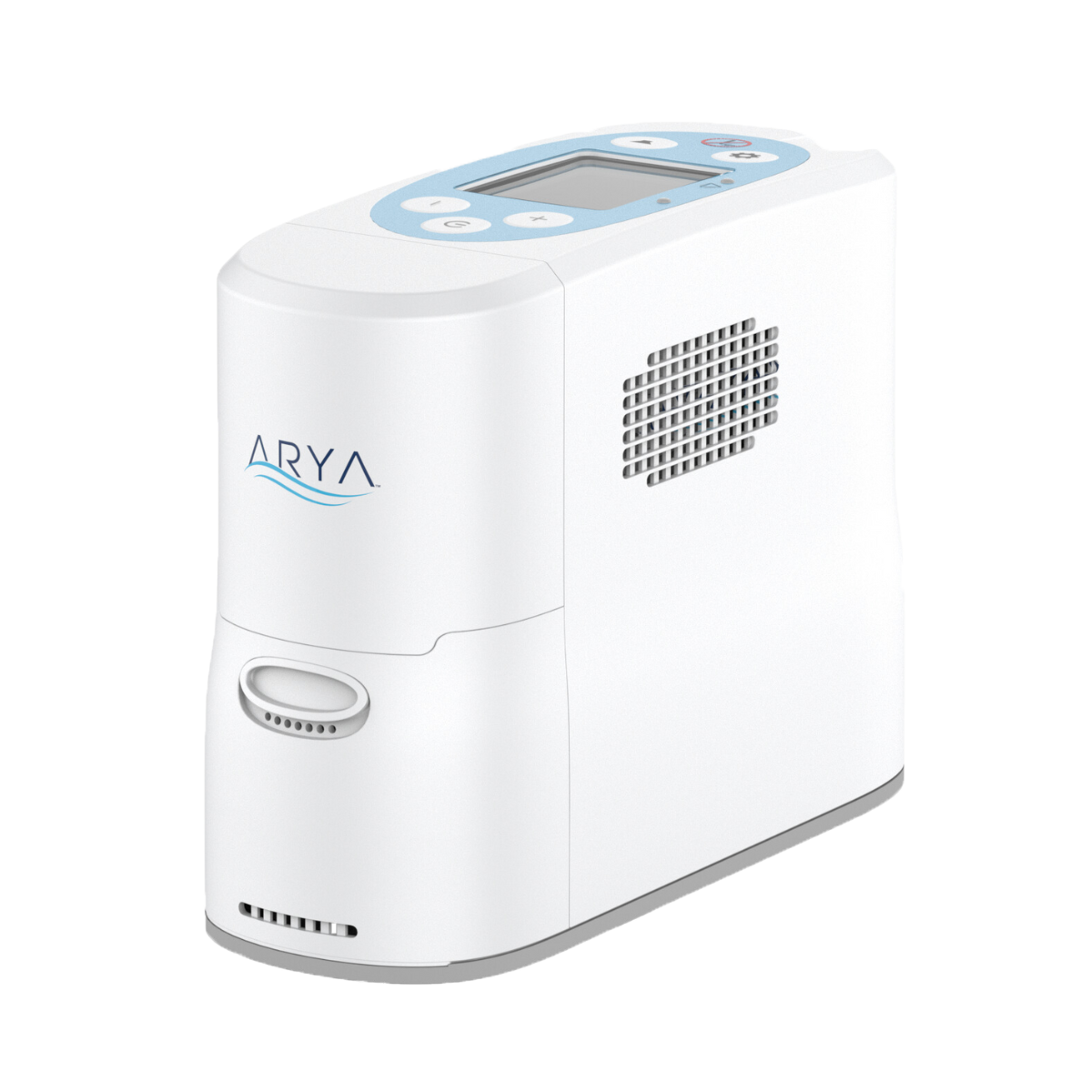
The ARYA Mini Portable Oxygen Concentrator is a great option for those who want flexibility, quiet operation, and a compact design. Its portability allows you to maintain oxygen therapy at home or while traveling, helping you stay consistent with your sleep routine.
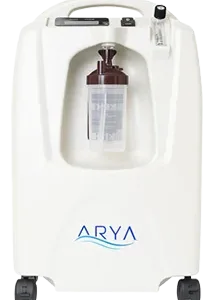
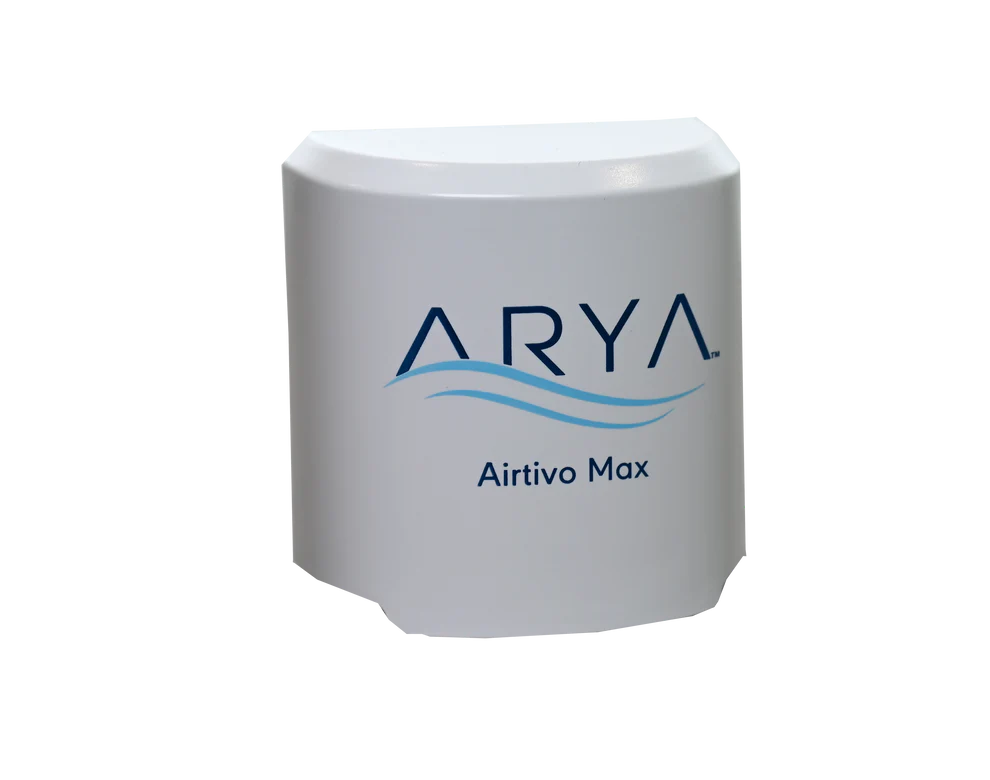
The ARYA Artivo Max is designed for individuals who need higher oxygen flow. It delivers steady flow rates to keep oxygen levels stable throughout the night, offering peace of mind and reliable performance.
Both devices reflect 1st Class Medical’s commitment to combining technology, comfort, and lifestyle needs.
When to Talk to Your Healthcare Provider
If sleep issues persist, it’s important to consult your healthcare provider or oxygen supplier. You may need:
Adjustments to oxygen flow settings
Different cannula or tubing options
Guidance on humidification
Evaluation for sleep-related breathing disorders
Always consult a professional before making changes to your oxygen therapy.
Final Thoughts: Restful Sleep Is Part of Better Breathing
Sleep and breathing are closely connected. When oxygen therapy is optimized for nighttime use, it can improve sleep quality while boosting daytime energy, mood, and confidence.
At 1st Class Medical, we support you beyond simply providing equipment. With the right tools, healthy routines, and a few lifestyle adjustments, better breathing and better sleep are within reach.
When you breathe better at night, you feel better every day.
When it comes to portable oxygen therapy, finding the perfect balance of performance, portability, and price can feel impossible. Too often, oxygen users are forced...
When you have received a COPD diagnosis, it is often followed by a prescription for medical grade oxygen. You are left feeling overwhelmed with a wealth...
Our respiratory specialists are here to help with exclusive deals, personalized recommendations, and support at every step of your journey to better breathing.










 23Jun
23Jun










Comments are closed