Seasonal Allergies and COPD: Double Trouble for Your Lungs
At 1st Class Medical, we know living with COPD is already tough. When seasonal allergies show up, it can feel like your lungs are facing extra challenges. In this post, we’ll explain how allergies make COPD more complicated, help you recognize the signs, and share practical tips to help you breathe easier during allergy season.
Why Seasonal Allergies and COPD Are a Challenging Pair
COPD, which includes diseases like emphysema and chronic bronchitis, causes damaged airways and reduced lung function. Common symptoms include a persistent cough, increased sputum, wheezing, and shortness of breath.
Seasonal allergies, on the other hand, are triggered when airborne allergens such as pollen, mold spores, grass/weed pollen, dust mite fragments, and animal dander enter your airways, causing inflammation and triggering your immune system. When you combine the two, the results can be serious:
Allergens can cause airway inflammation, which exacerbates the pre-existing airway compromise in someone with COPD.
Inflammation can increase mucus production, narrow your airways further, and make it harder for your lungs to deliver oxygen and remove carbon dioxide.
Studies show that people with COPD who also have seasonal allergies report more frequent symptoms, increased coughing and wheezing, and a higher risk of exacerbations (flare-ups requiring medical attention).
In short, if you have COPD and allergies, your lungs are facing more than one challenge. You’re not only managing COPD’s usual effects, but also extra triggers that put more stress on your lungs.
The Allergy Calendar: When Lungs Need Extra Attention
Seasonal allergies strike in patterns, and those patterns matter when you have COPD.
Spring: Tree pollen tends to dominate; mild warming weather stirs buds, flowers, and pollen counts rise.
Summer: Grass pollen rises, mold spores increase with humidity, and outdoor air quality may worsen due to heat and pollutants.
Late Summer to Fall: Weeds (e.g., ragweed) produce vast quantities of pollen; fallen leaves and soil can generate mold spores, making this season tricky for COPD + allergy sufferers.
Winter: While fewer outdoor pollen may be present, indoor allergens (dust mites, mold in damp areas, and dry indoor heating air) can trigger issues. Cold air itself can also stress COPD lungs.
Knowing when you’re most vulnerable helps you stay ahead.
Signs That Allergies Are Worsening Your COPD
Since COPD alone already gives you symptoms like cough and shortness of breath, how can you tell when allergies are adding to the trouble? Look out for these red flags:
Your cough or wheeze worsens during the known allergy season, especially when pollen counts are high.
You notice increased mucus production, particularly thin, clear mucus (common with allergies) on top of your usual COPD mucus.
You have typical allergy symptoms (sneezing, itchy/watery eyes, runny or blocked nose) that coincide with a change in your lung symptoms.
You require more frequent rescue inhaler use, or your baseline inhaler seems less effective.
You find yourself more fatigued or short of breath with less activity than usual, without other obvious causes (infection, weather change, etc.).
You have to adjust your COPD management (doctor visit, extra medication, more oxygen) more often during certain seasons.
If any of these occur, it’s time to treat your allergies with the same seriousness you treat your COPD.
Five Key Strategies for Managing Allergy-Triggered COPD Flare-Ups
Here are practical steps you can take to keep both your COPD and your seasonal allergies under control:
Know your triggers and check the forecast • Find out what allergens you react to (tree, grass, weeds, mold, dust) and discuss test options with your doctor. • Use local pollen reports and air quality alerts—on high pollen or poor air-quality days, limit your outdoor exposure. • Avoid yard work or outdoor chores during peak pollen times (usually early morning through midday) and during dry, windy conditions when pollen is airborne.
Control your indoor environment • Keep windows closed on high-pollen or high-pollution days. Use an air conditioner with a high-efficiency particulate air (HEPA) or similar filter to reduce airborne allergens. • Use a HEPA vacuum, wash bedding frequently, remove clutter and dampness (to reduce mold), and avoid carpet if possible. • Consider using an air purifier in your bedroom or the room where you spend the most time. • In damp or humid indoor spaces (basements or older homes), watch for mold and dampness as a hidden trigger.
Optimize your COPD & allergy medication plan • Ensure your COPD medications are used consistently (maintenance inhalers, oxygen therapy, etc.). Allergies can tip your lungs into flare-ups if your baseline therapy isn’t optimized. • Talk to your doctor about adding or adjusting allergy treatment: antihistamines, nasal corticosteroids, decongestants (short-term), or allergen immunotherapy if appropriate. • Ask your provider whether you need to increase monitoring or adjust your inhaler regimen during allergy season. • If you use supplemental oxygen (via a concentrator or cylinder) and you notice increased shortness of breath during allergy season, contact your provider.
Protect your lungs outdoors • When you must go outside on high-pollen days, wear a mask (for example, an N95 or a mask that helps filter pollen and particulates). • Wear sunglasses and a hat if you’re outside; these help keep pollen out of your eyes and hair, reducing the amount you bring indoors. • After being outside, change clothes and shower if possible to remove pollen from your skin and hair. • Stay hydrated and avoid heavy exertion on days when allergens or pollution are high. These conditions add stress to your lungs.
Create an action plan for flare-ups • Recognize when your symptoms are slipping: increased mucus, more frequent inhaler use, greater shortness of breath, chest tightness. • Have your rescue medications and oxygen system in ready-use mode. If you use a portable concentrator or have backup oxygen, make sure it’s charged and accessible. • Know when to contact medical help: if symptoms worsen despite your routine, if you need the rescue inhaler more often, or if your O2 saturation drops. Because with COPD, what starts as “just allergies” can spiral into a full exacerbation. • Keep a log of symptoms and triggers. This helps you and your healthcare team spot patterns and adjust your treatment for future allergy seasons.
Why 1st Class Medical is a Strong Partner for Allergy-Season COPD Management
At 1st Class Medical, we specialize in supporting patients with COPD and oxygen therapy needs. Here’s how we help you get through tricky seasons like allergy time:
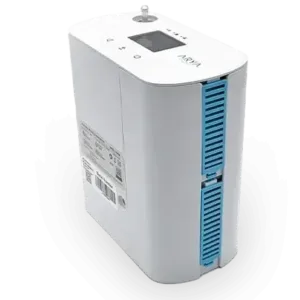
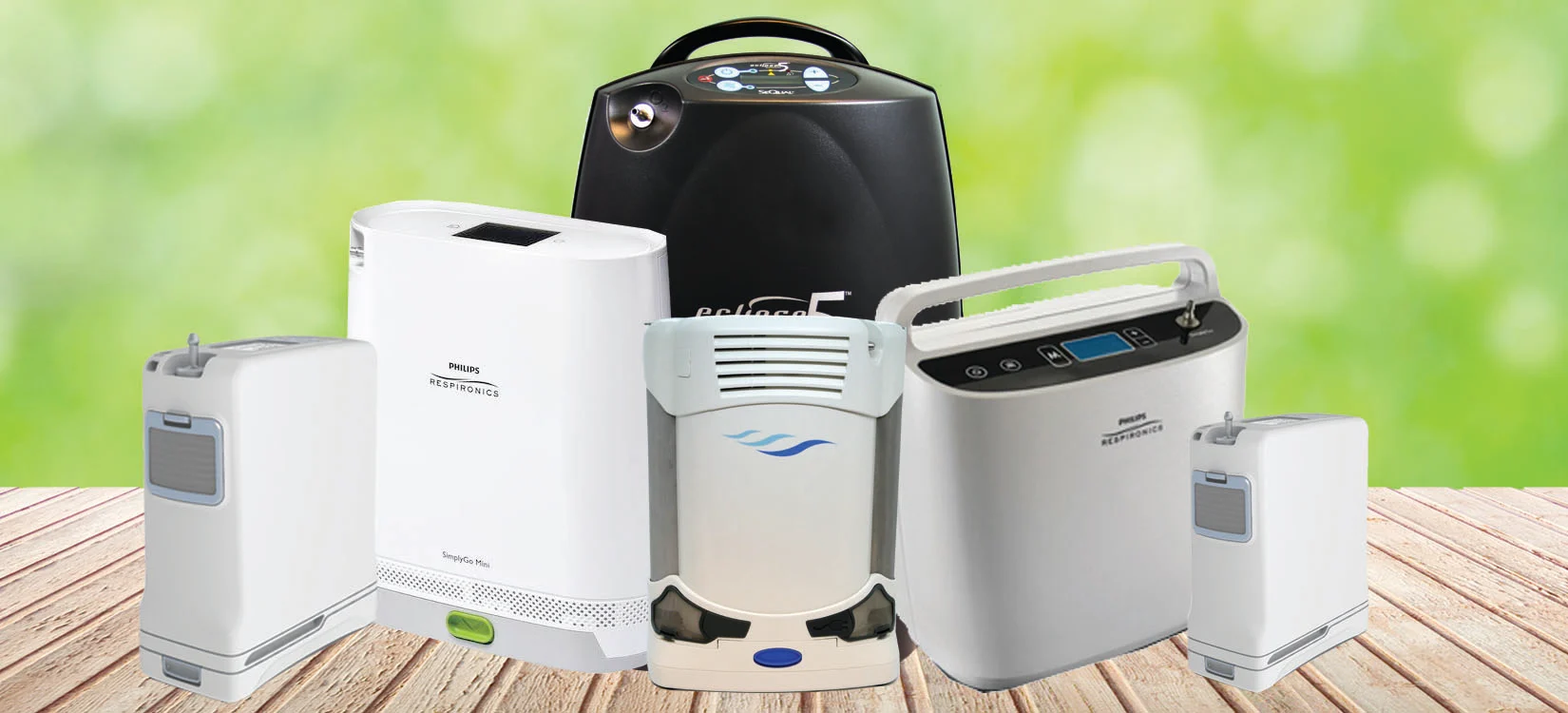
We supply reliable portable and home oxygen systems so you stay covered if your lungs are reacting more than usual.
We provide education and resources on how environmental factors (such as allergens, pollen, and air quality) can affect your respiratory health.
We support equipment checks and ensure you’re using your oxygen setup correctly—significant when allergy triggers increase your demand.
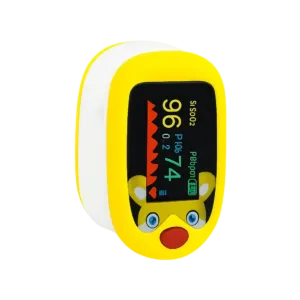
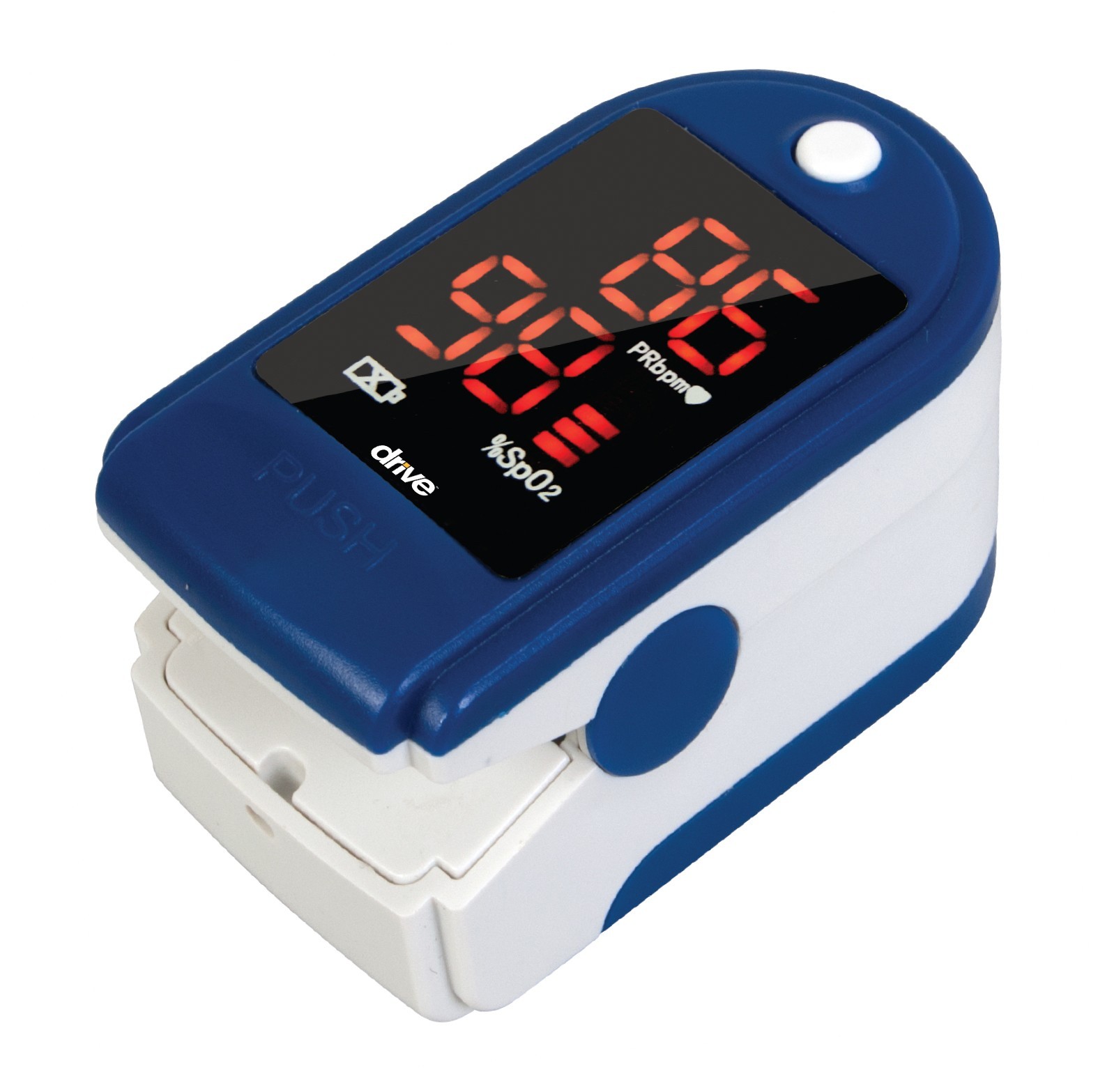
We encourage a proactive approach: having your backup oxygen ready, monitoring your oxygen saturation, and knowing when to reach out for help.
We partner with you to maintain your quality of life even when seasonal triggers are high.
Final Thoughts
Living with COPD is already a significant challenge. But when seasonal allergies enter the picture, your lungs may face double trouble. The good news is: you can manage this. With awareness, preparation, and the right support, you can reduce the risk of flare-ups and keep your respiratory health stable.
Here are your key takeaways:
Recognize that seasonal allergies are not just “minor” if you have COPD—they can meaningfully worsen your symptoms.
Monitor the calendar and the air: pollen counts, mold levels, air quality, and indoor triggers all matter.
Control your environment, optimize your medication regimen, and proactively protect your lungs.
Be ready with a flare-up action plan: rescue medications, backup oxygen, and contact points.
Work with your equipment and healthcare provider team including 1st Class Medical to ensure your oxygen therapy and respiratory support are aligned with the challenges of allergy season.
When it comes to portable oxygen therapy, finding the perfect balance of performance, portability, and price can feel impossible. Too often, oxygen users are forced...
When you have received a COPD diagnosis, it is often followed by a prescription for medical grade oxygen. You are left feeling overwhelmed with a wealth...
Our respiratory specialists are here to help with exclusive deals, personalized recommendations, and support at every step of your journey to better breathing.






 23Jun
23Jun








Comments are closed