Seasonal Lung Health: Spring Allergies, Pollution & COPD
Actionable Advice for Protecting Your Lungs as the Seasons Change
As winter ends and spring begins, many people enjoy warmer weather, blooming flowers, and longer days. However, for those with respiratory conditions—especially chronic lung diseases like COPD—spring can bring new challenges. Higher pollen levels, increased air pollution, and changing temperatures can all affect lung health.
At 1st Class Medical, we believe that understanding your seasonal triggers and taking action can improve your breathing, help control symptoms, and boost your quality of life.
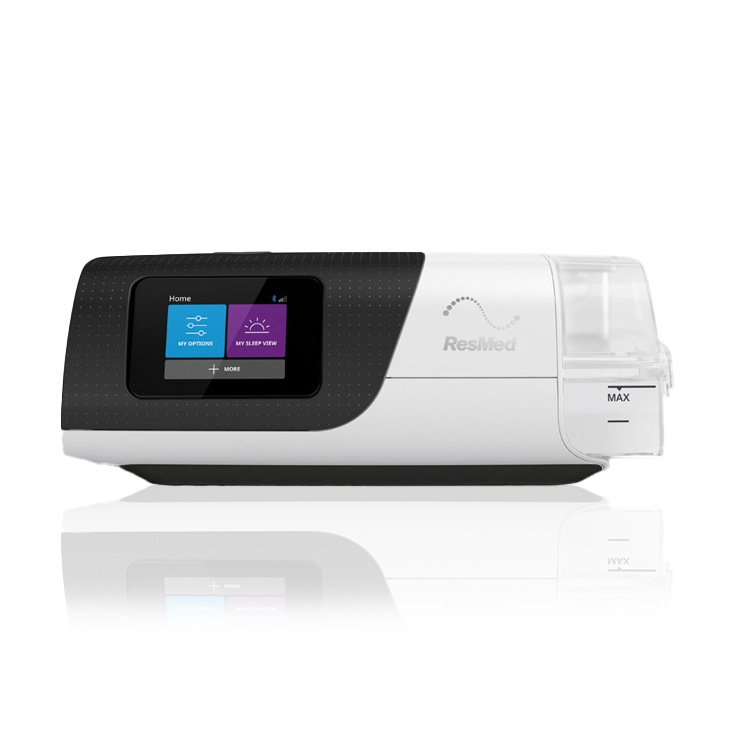
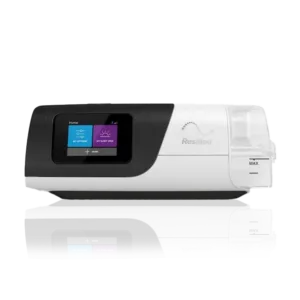
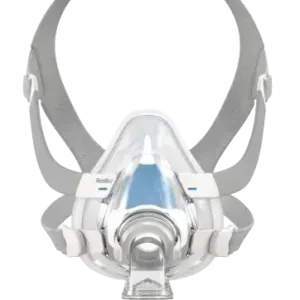
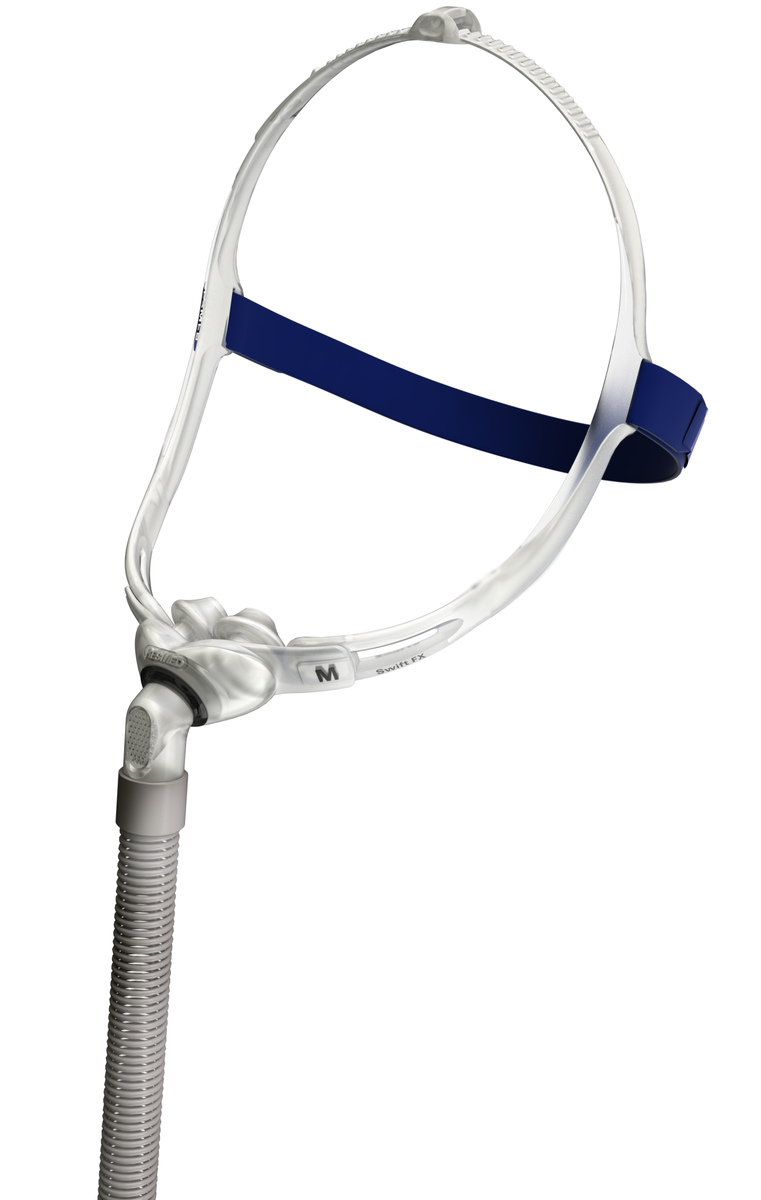
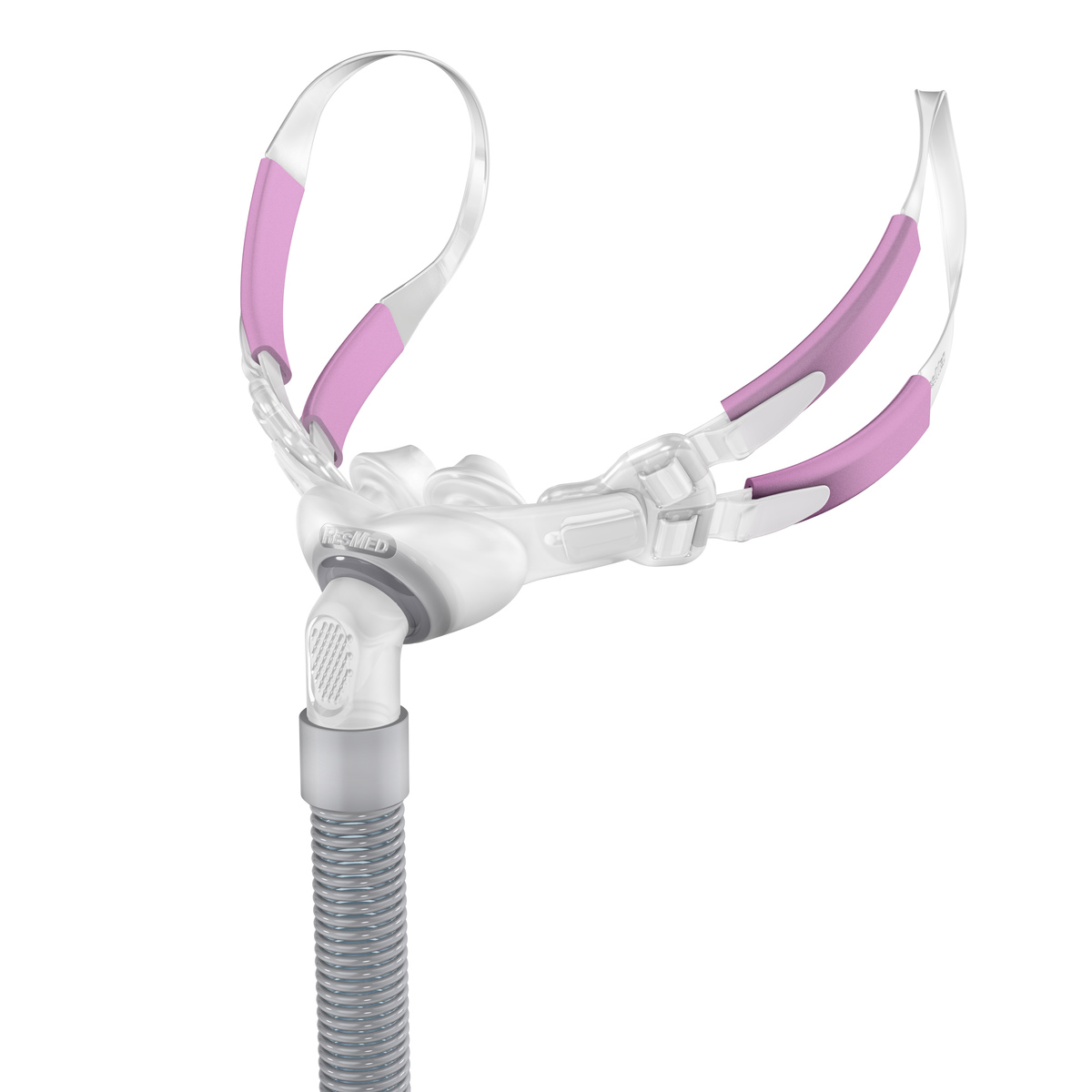
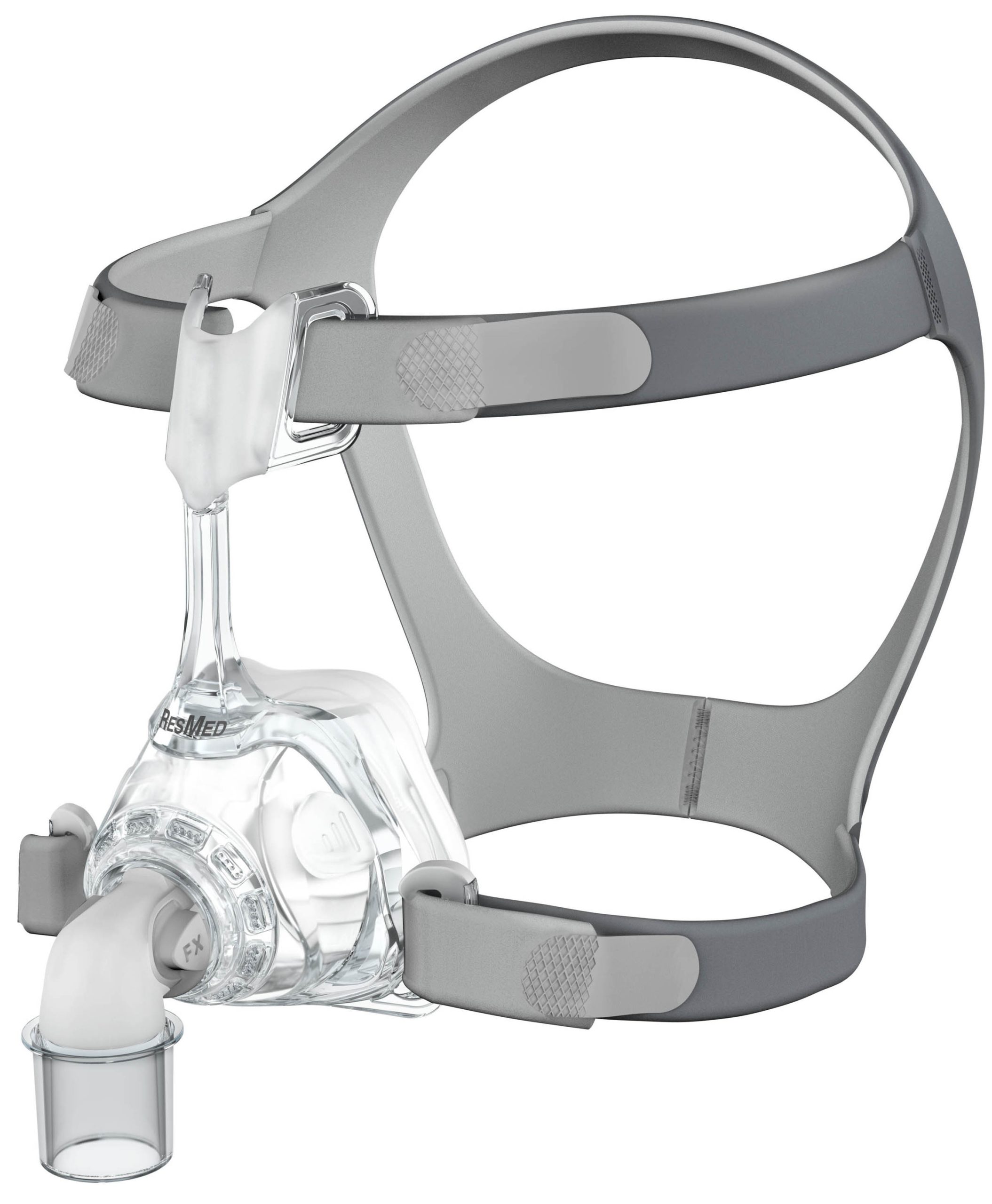
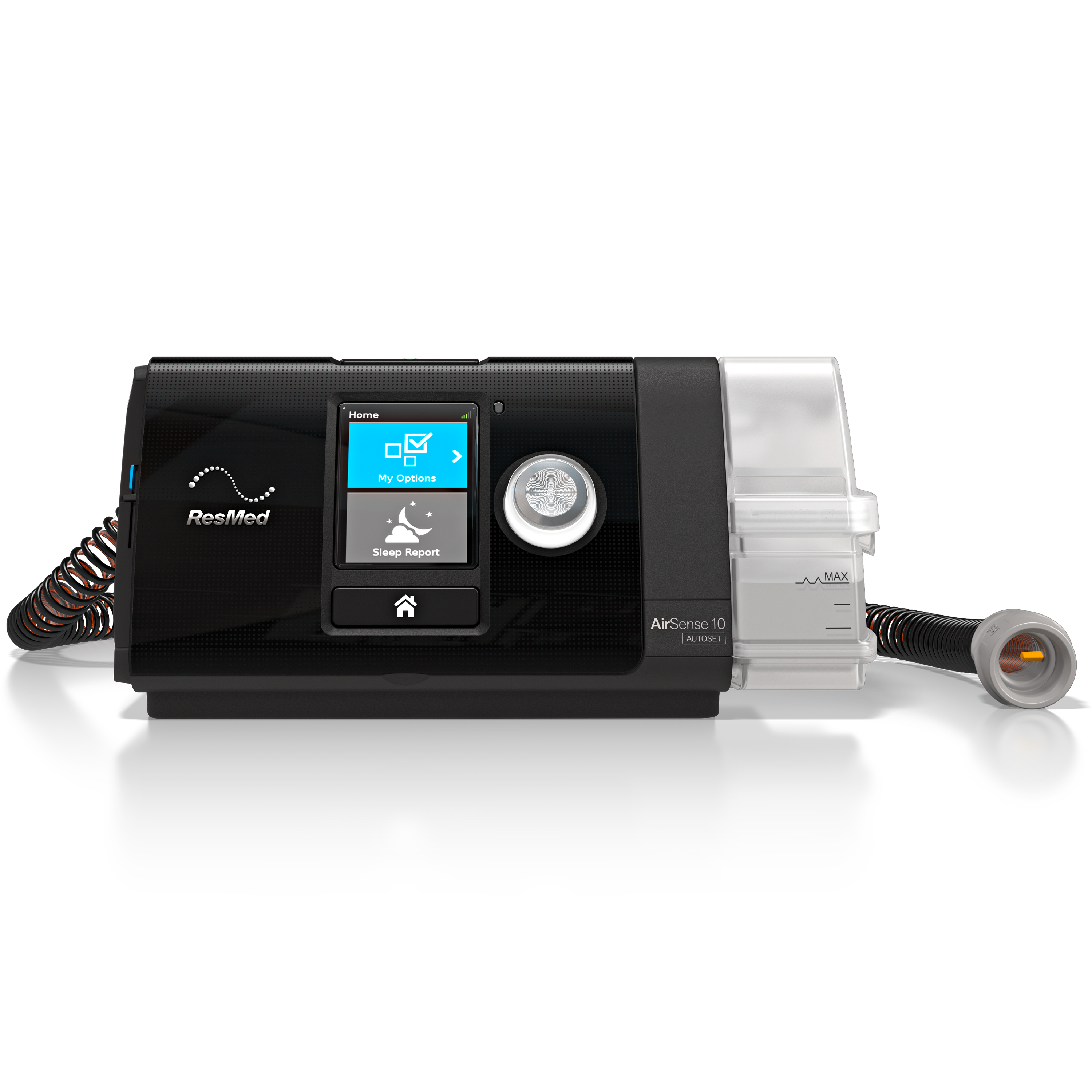
If you use a portable oxygen concentrator, a home oxygen system, or CPAP therapy, seasonal changes can affect how comfortable and effective your equipment feels. This guide explains how spring allergens and pollution impact your lungs and shares practical tips to help you manage symptoms, care for your equipment, and breathe easier as the seasons change.
Why Spring Can Be Hard on Your Lungs
Spring is a transition season, and that transition can stress the respiratory system in several ways:
Higher pollen counts from trees, grasses, and weeds
Increased outdoor activity, leading to greater exposure to allergens and pollutants
Unstable weather patterns, including temperature swings and humidity changes
Air pollution spikes, especially in urban and suburban areas
For people with asthma, COPD, chronic bronchitis, emphysema, or even seasonal allergies, these factors can trigger flare-ups, inflammation, coughing, wheezing, and shortness of breath.
Understanding these risks is the first step toward protecting your lungs.
Spring Allergies and Lung Health
How Allergies Affect the Respiratory System
Spring allergies occur when the immune system overreacts to airborne allergens like pollen and mold spores. This response can cause inflammation in the nasal passages, throat, and lungs.
Common symptoms include:
Persistent coughing
Chest tightness
Wheezing
Shortness of breath
Increased mucus production
For individuals with COPD or asthma, allergic inflammation can worsen existing airway obstruction, making breathing more difficult and increasing the risk of exacerbations.
Actionable Tips for Managing Spring Allergies
1. Monitor pollen levels daily Check local pollen forecasts before going outside. On days with high pollen levels, try to limit outdoor activities—especially early in the morning, when pollen counts are highest.
2. Keep allergens out of your home
Keep windows closed during peak pollen season
Use air conditioning instead of opening windows
Change clothes and shower after being outside
Wash bedding weekly in hot water
3. Use high-quality air filtration HEPA filters can remove pollen, dust, and other airborne irritants. Consider using them in bedrooms and main living areas.
4. Take medications as directed Take antihistamines, nasal sprays, or inhalers as prescribed by your healthcare provider. Use them regularly, not just when symptoms worsen.
Air Pollution: An Often-Overlooked Spring Trigger
Why Pollution Increases in Spring
Springtime air pollution often increases due to:
Higher traffic volumes
Construction projects resuming
Agricultural activity
Ozone formation from sunlight reacting with pollutants
Even brief exposure to polluted air can irritate your lungs, make it harder for your body to get oxygen, and worsen breathing problems—especially for people with chronic lung disease.
How Pollution Impacts COPD and Chronic Lung Conditions
Pollution particles are small enough to penetrate deep into the lungs, causing:
Increased inflammation
Reduced lung function
A higher risk of COPD flare-ups
Greater need for rescue medications or oxygen therapy
Repeated exposure can accelerate lung damage over time.
Actionable Tips to Reduce Pollution Exposure
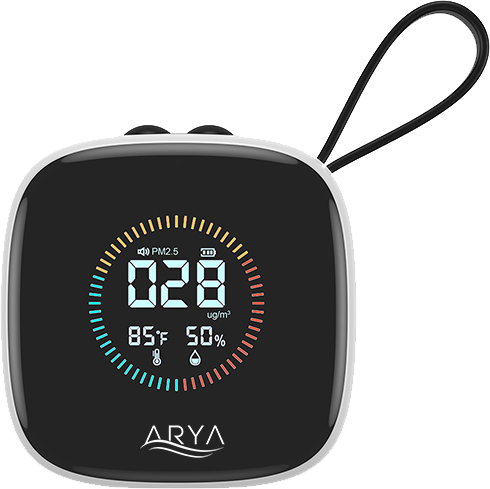
1. Check the Air Quality Index (AQI) Get in the habit of checking daily air quality reports. If the AQI is poor, spend less time outside and avoid heavy physical activity.
2. Adjust outdoor activity timing Air quality is often better in the early morning or after rainfall. Plan walks or errands accordingly.
3. Wear protective masks when needed On days with high pollution levels, wearing a well-fitted mask can help block harmful particles—especially if you live in a city.
4. Improve indoor air quality Avoid smoking indoors, limit the use of strong cleaning products, and ensure good ventilation when cooking.
COPD and Seasonal Transitions
Why Spring Can Trigger COPD Exacerbations
COPD symptoms often worsen during seasonal changes due to:
Temperature fluctuations that stress the lungs
Increased allergens and pollutants
Respiratory infections are spreading more easily
Take even small changes in your symptoms seriously. Acting early can help you avoid hospital visits.
Actionable COPD Management Strategies for Spring
1. Review your COPD action plan Spring is a great time to review your treatment plan with your healthcare provider. Make sure you know:
When to use maintenance vs. rescue medications
Early warning signs of a flare-up
When to seek medical care
2. Stay consistent with oxygen therapy If your doctor has prescribed supplemental oxygen, use it exactly as directed—even if you feel fine. Skipping oxygen can put extra strain on your lungs and heart.
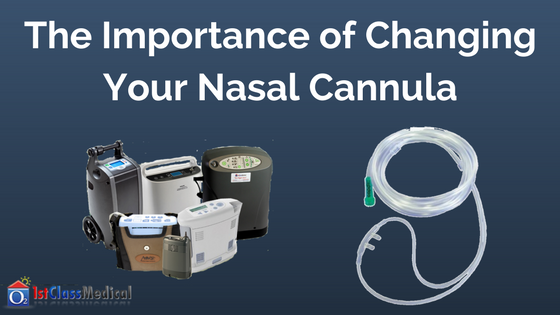
3. Keep equipment clean and maintained Regularly clean oxygen tubing, masks, and humidifiers to prevent bacteria and mold buildup, which can worsen symptoms.
4. Pace yourself as activity increases Warmer weather often encourages more activity. Staying active is beneficial, but doing too much at once can make you short of breath. Break tasks into smaller steps and rest when needed.
The Role of Humidity and Temperature Changes
Spring weather can shift quickly from cool to warm and dry to humid. These changes affect lung function more than many people realize.
Cold air can constrict airways
High humidity can make breathing feel heavier
Rapid temperature changes can trigger coughing and shortness of breath
Actionable Tips for Managing Weather-Related Triggers
Dress in layers to avoid sudden temperature stress
Use a humidifier if indoor air is too dry, and remember to clean it often
Avoid sudden exposure to cold air, especially in the early morning or evening
Strengthening Lung Health Beyond Avoidance
Avoiding triggers is important, but strengthening your lungs overall can make a big difference.
Actionable Lifestyle Tips for Stronger Lungs
1. Stay hydrated Drinking enough water helps thin mucus, making it easier to clear from the lungs.
2. Practice breathing exercises Techniques like pursed-lip breathing and diaphragmatic breathing can improve airflow and reduce shortness of breath.
3. Stay up to date on vaccinations Spring is a good time to make sure your flu, pneumonia, and other recommended vaccines are current. This helps lower your risk of infection.
4. Prioritize sleep and stress management Lack of sleep and high stress levels can worsen inflammation and breathing problems. Aim for regular rest and practice relaxation techniques.
How 1st Class Medical Supports Seasonal Lung Health
At 1st Class Medical, we understand that managing lung health looks different for everyone—especially as the seasons change. We offer quality respiratory equipment, oxygen therapy supplies, and personalized support to help you breathe easier all year long.
Whether you’re adjusting your oxygen needs, replacing equipment, or looking for guidance on managing COPD symptoms during spring, our team is here to help you stay comfortable, confident, and in control of your health.
Breathe Easier This Spring
Spring doesn’t have to mean breathing problems. By understanding seasonal triggers like allergies, pollution, and weather changes—and by taking simple, proactive steps—you can protect your lungs and enjoy the season safely.
If you or someone you care about uses respiratory support, planning ahead and working with a trusted medical provider can make a meaningful difference. With the right knowledge, tools, and care, you can breathe better in every season.
When it comes to portable oxygen therapy, finding the perfect balance of performance, portability, and price can feel impossible. Too often, oxygen users are forced...
When you have received a COPD diagnosis, it is often followed by a prescription for medical grade oxygen. You are left feeling overwhelmed with a wealth...
Our respiratory specialists are here to help with exclusive deals, personalized recommendations, and support at every step of your journey to better breathing.






 23Jun
23Jun









Comments are closed