Seasonal Wellness Tips for Late Summer and Early Fall: Breathing Easier Through the Transition
As summer fades and fall approaches, many individuals with respiratory conditions like COPD, asthma, or sleep apnea start to notice changes in their symptoms. The transition from warm, humid air to cooler, drier conditions, along with seasonal allergens and shifting air quality, can present real challenges.
At 1st Class Medical, we understand the importance of seasonal awareness for people using oxygen therapy, CPAP machines, or mobility equipment. With the right adjustments, you can stay active, breathe easier, and protect your health as the seasons change.
Now, let’s look at some practical tips to help you stay well and adjust confidently as summer turns to fall.
1. Understand Seasonal Respiratory Triggers
Late summer and early fall bring specific environmental factors that can affect breathing, especially for those with chronic respiratory conditions.
Ragweed and Pollen Allergies
One of the most common late-summer triggers is ragweed pollen, which peaks from mid-August through October. Even for people without traditional allergies, high pollen counts can irritate the lungs, worsen inflammation, and increase coughing or wheezing.
Action Steps:
Track local pollen counts daily using trusted weather apps or Pollen.com data sources.
Keep windows and car vents closed on high pollen days.
Shower and change clothes after outdoor activity to reduce indoor exposure.
Air Quality Shifts
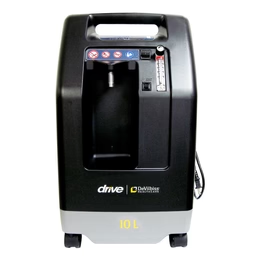
In some regions, wildfire smoke, ozone, and smog can impact air quality in late summer. This may be particularly challenging for people using oxygen concentrators or CPAP machines.
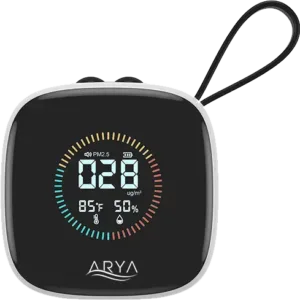
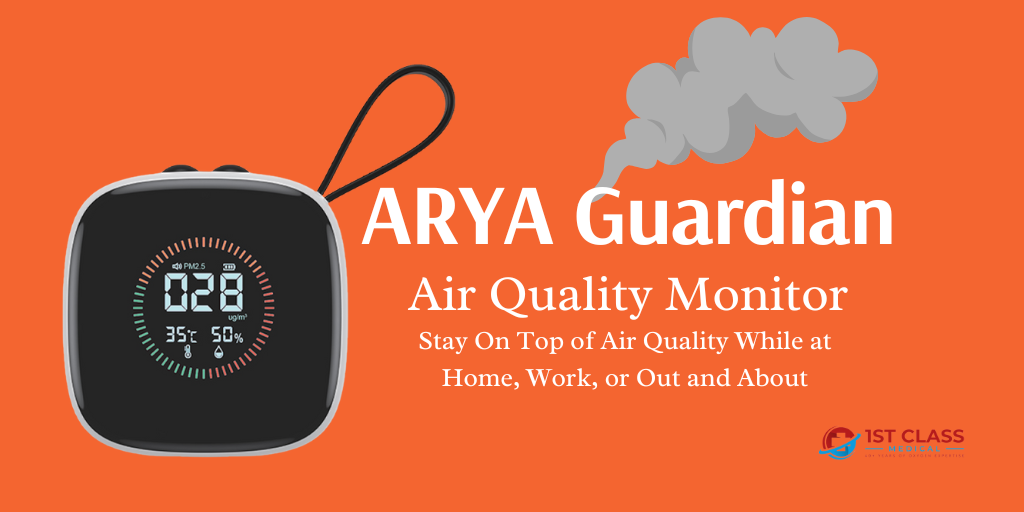
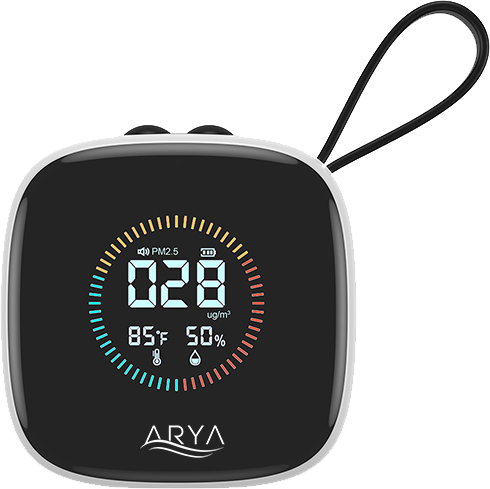
Monitor local air quality through AirNow.gov or your weather app, using their reported data.
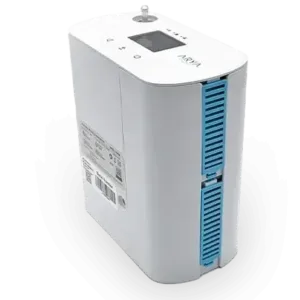
Use a HEPA-certified air purifier indoors to maintain clean air.
Avoid outdoor exercise when air quality is rated “unhealthy” or higher.
Use a mask outdoors if you need to go out on poor-air-quality days.
2. Prepare for Cooler Mornings and Evenings
Cooler air can act as a bronchial irritant, particularly in the early mornings and evenings. For those with reduced lung function, even a mild cold can lead to tightness in the chest or increased breathlessness.
Tips to Stay Comfortable:
Dress in layers, using lightweight, breathable fabrics.
Cover your mouth and nose with a scarf or mask to warm the air before it enters your lungs.
Ensure oxygen tubing is not exposed to cold for long periods, and keep your device indoors when not in use.
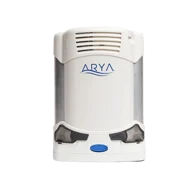
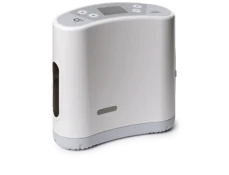
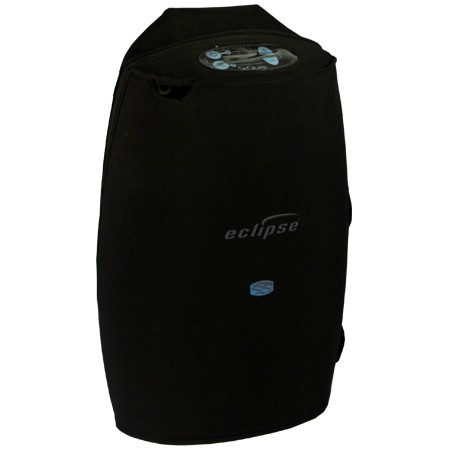
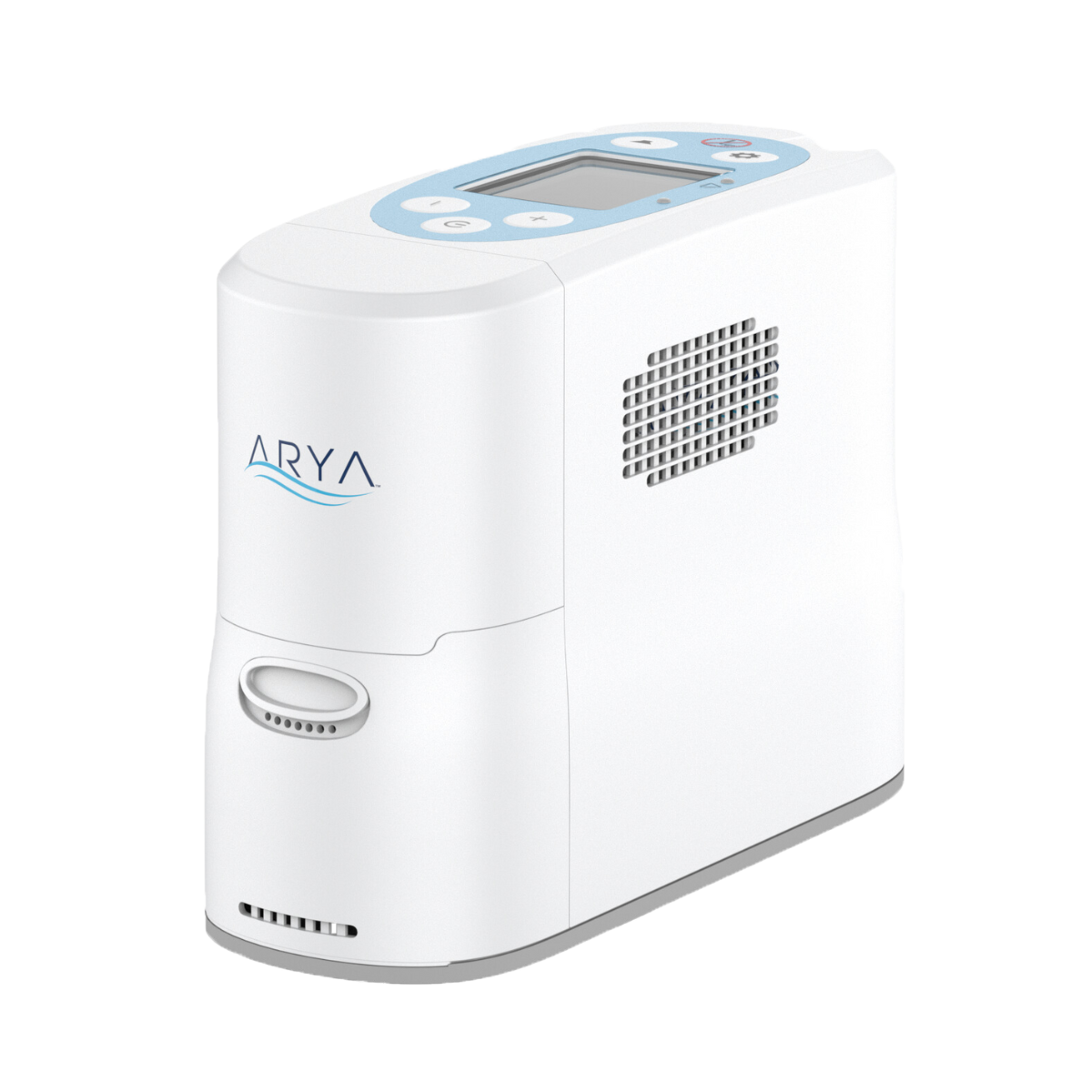
If using a portable concentrator, bring it inside after use to prevent condensation.
3. Maintain and Inspect Your Equipment
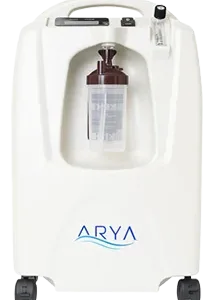
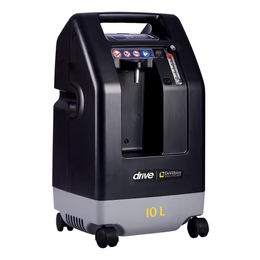
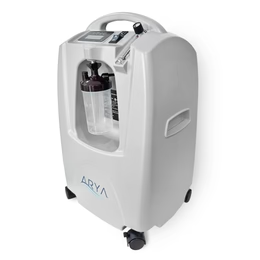
Changes in humidity and temperature can affect how your oxygen concentrator or CPAP machine works. Late summer is a good time to give your equipment a quick check.
For Oxygen Users:
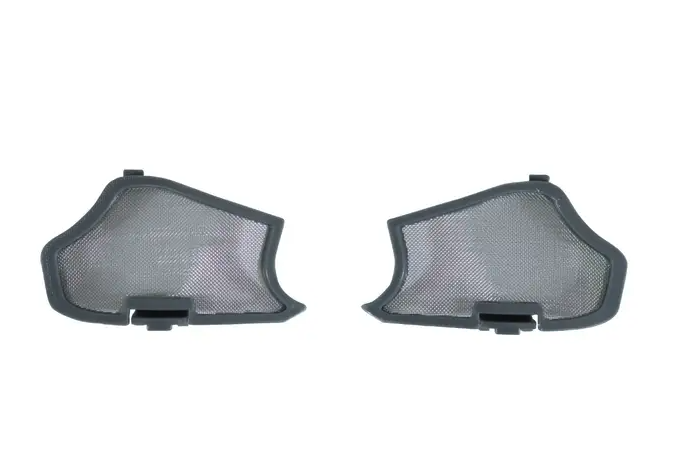
Inspect your filters and replace them if they appear dirty or clogged.
Check all tubing for cracks or moisture buildup.
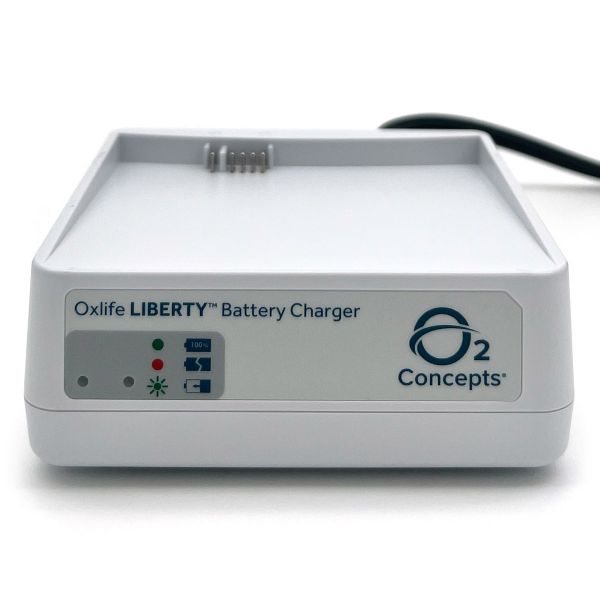
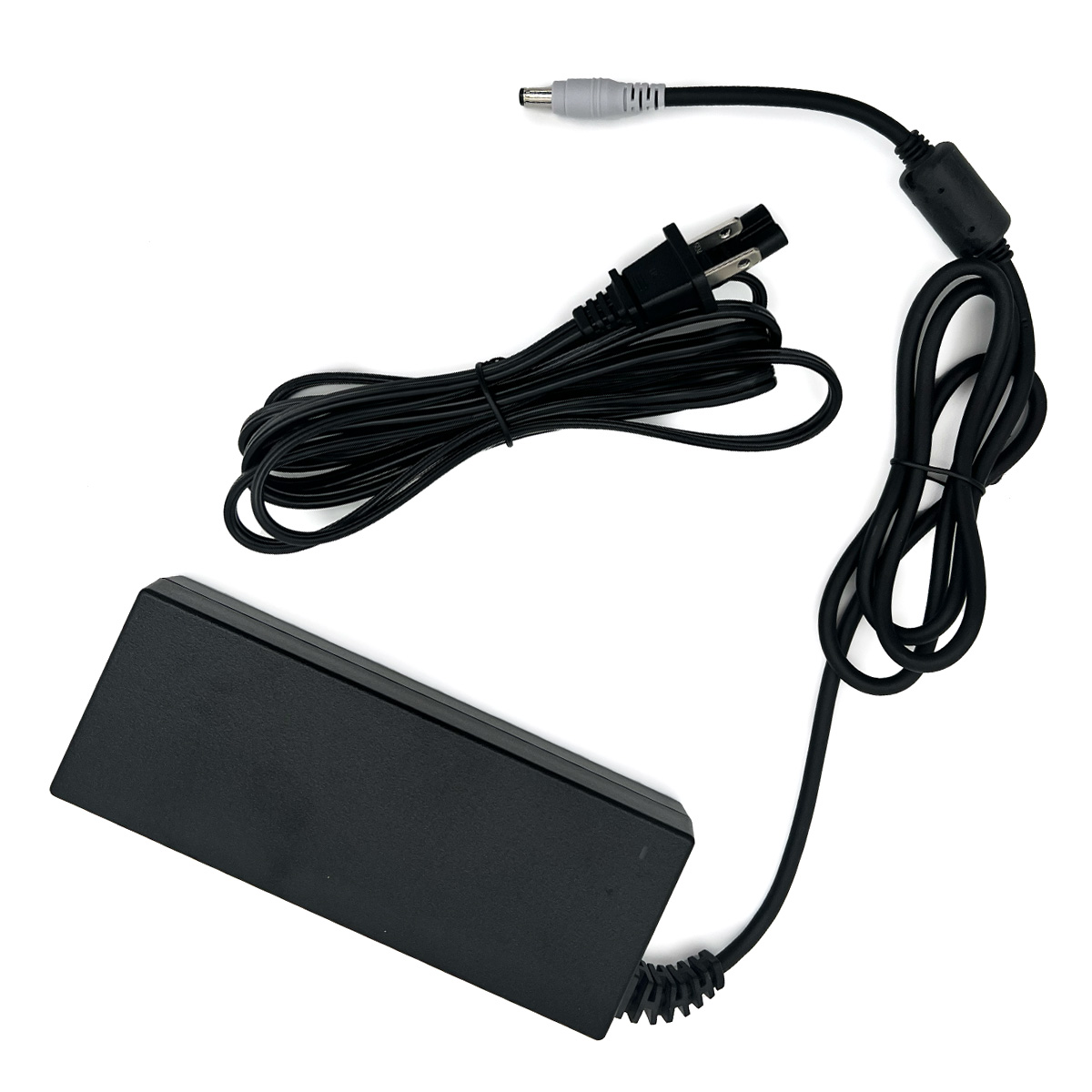
Test your backup batteries and power sources, especially if your region experiences fall storms or outages.
If you travel during the season, make sure your equipment is FAA-approved and that you have sufficient power for transit.
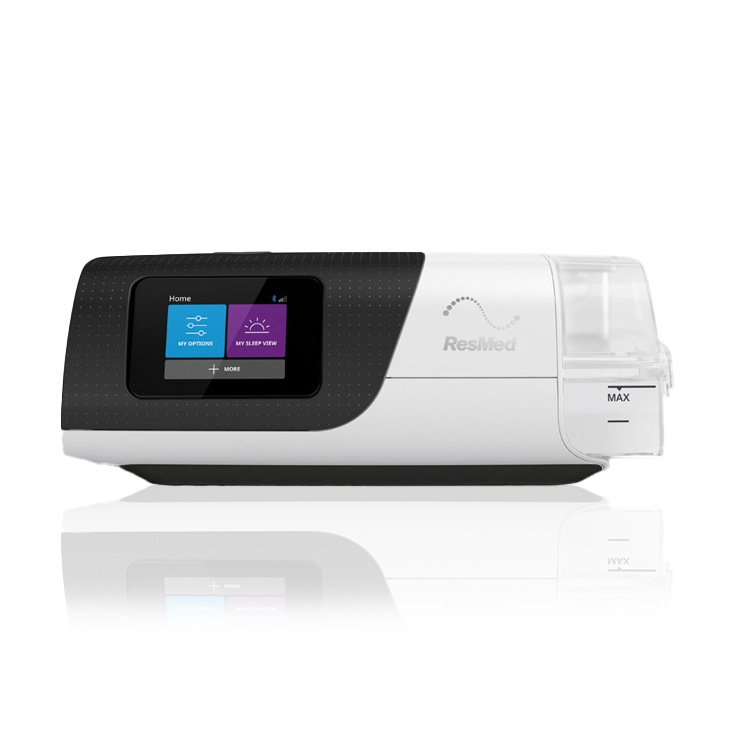
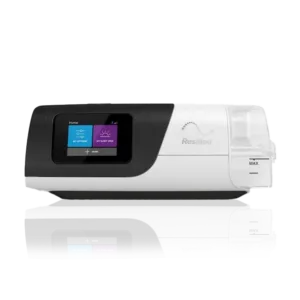
For CPAP Users:
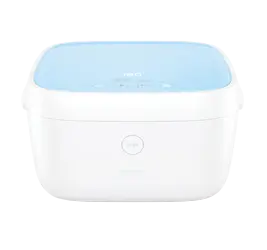
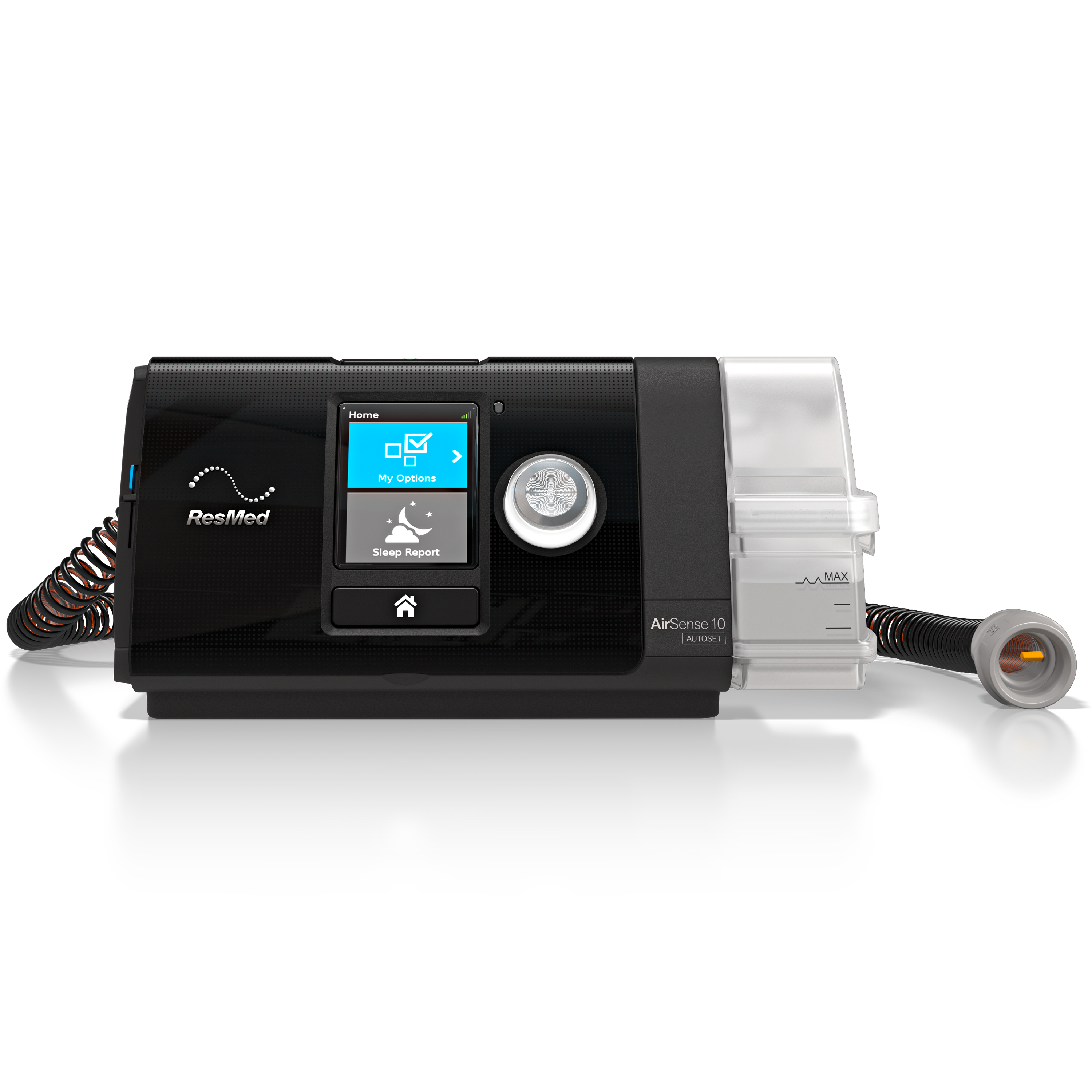
Clean and disinfect your humidifier chamber regularly to avoid bacterial growth.
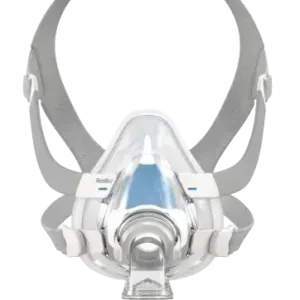
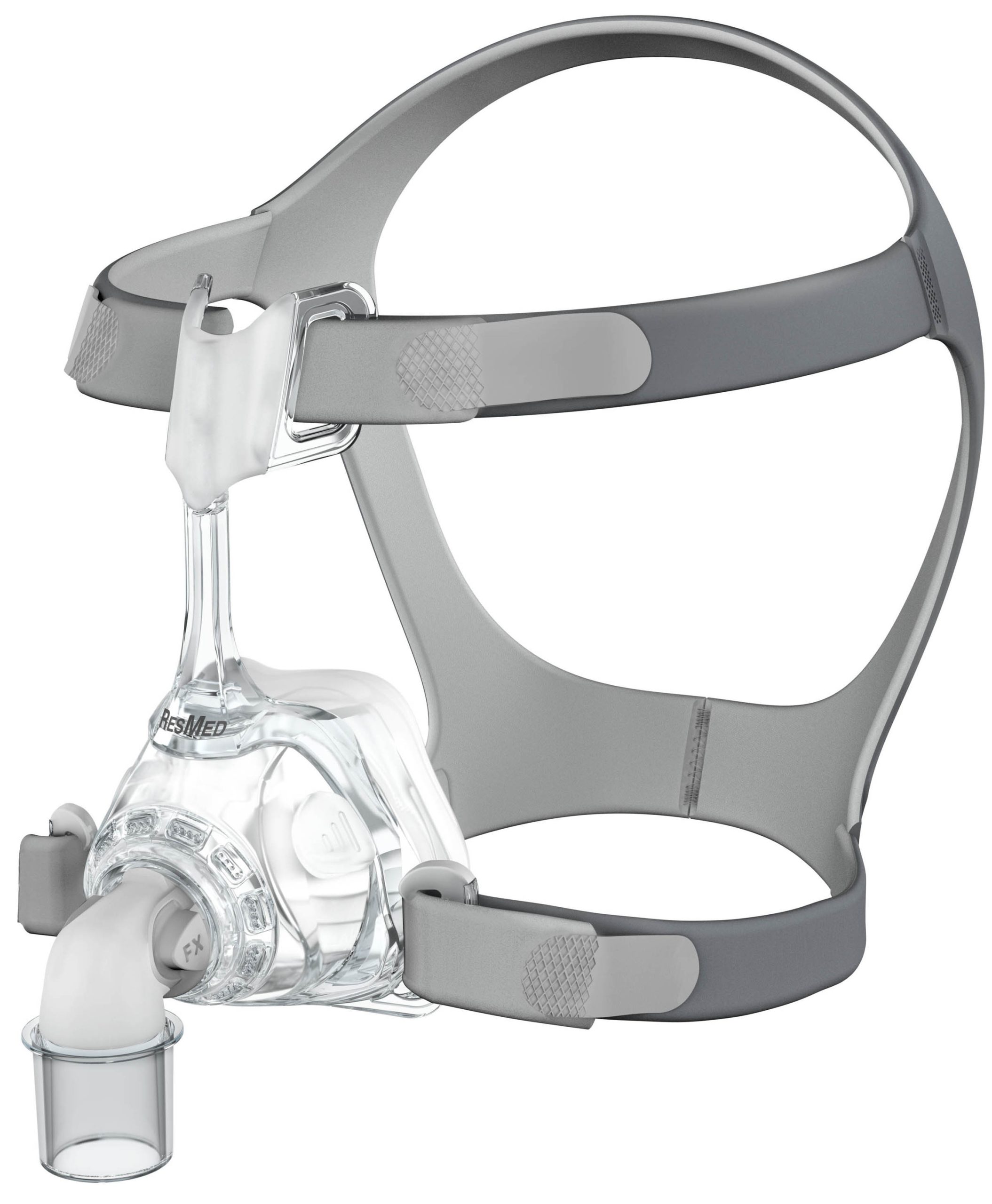
Replace disposable filters and masks according to manufacturer guidelines (usually every 1–3 months).
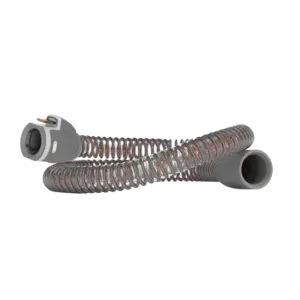
Consider using a heated hose or humidifier setting if you notice dryness from cooler air.
Store equipment in a dry, temperate environment—avoid garages or areas prone to temperature fluctuations.
For replacement parts, accessories, or expert recommendations, visit our CPAP Supplies Page or contact our team for assistance.
4. Stay Active, Even as the Weather Cools
As the weather cools, it can be tempting to stay inside. Still, regular movement is important for your lungs, circulation, and overall health, especially if you have respiratory or mobility challenges.
If outdoor activity becomes uncomfortable due to allergies or cooler temperatures, consider indoor alternatives:
Use a treadmill or walk indoors at malls or large stores.
Try chair yoga or seated strength training with resistance bands.
Join an online class or pulmonary rehab group that offers virtual sessions.
Break up the movement into shorter 10-minute sessions throughout the day.
Even small efforts like these can help you keep up your strength, feel less tired, and support your lungs as the seasons change.
5. Focus on Fall Nutrition and Hydration
Cooler weather sometimes lessens thirst cues, but hydration remains vital for lung health, helping airways function properly and clear mucus.
Nutrition Guidelines:
Drink water throughout the day, even if you’re not thirsty.
Include hydrating foods like fruits, soups, and herbal teas.
Focus on fall produce rich in antioxidants, such as squash, apples, carrots, kale, and beets.
Support immune health with foods high in vitamin C, zinc, and omega-3 fatty acids.
Ask your doctor to check your vitamin D levels; less sunlight in the fall can lead to deficiencies that impact immunity and energy.
6. Schedule Health Appointments Before Peak Season
Fall often marks the beginning of cold and flu season. Take proactive steps now to ensure you’re protected and prepared.
Schedule your annual physical or pulmonary function test.
Talk with your doctor about flu, pneumonia, or RSV vaccines if you’re over 60 or immunocompromised.
Refill any prescriptions and stock up on over-the-counter medications you may need in case of illness.
Review your emergency plan, especially if you rely on electrical equipment. Make sure you have extra batteries, water, and a list of emergency contacts on hand.
7. Keep Your Home Environment Breath-Friendly
Simple Improvements:
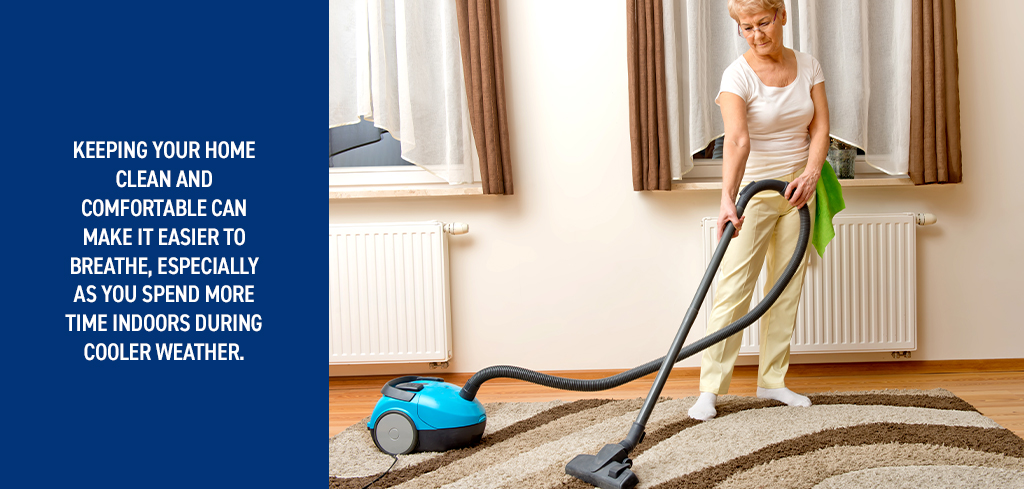
Replace or clean furnace and air conditioner filters.
Vacuum regularly with a HEPA-equipped vacuum to reduce dust and allergens.
Use an air purifier in your bedroom or main living area.
Avoid burning candles, incense, or using strong-scented cleaning products, which can irritate sensitive lungs.
Keep humidity levels in check (ideally 30–50%) using a humidifier or dehumidifier as needed.
8. Don’t Neglect Mental and Emotional Health
As fall arrives, you might notice changes in your mood as well as your body. Less sunlight, less time outside, and living with a chronic illness can sometimes lead to feeling down or anxious.
Mental Wellness Tips:
Establish a routine that includes physical activity, fresh air, and rest.
Stay connected with loved ones, whether through calls, visits, or online chats.
Join a support group for people with respiratory conditions or limited mobility.
Practice mindfulness or deep breathing exercises each morning to start your day with calm.
Speak to your healthcare provider if you notice signs of depression, anxiety, or emotional fatigue.
Seasonal Wellness Checklist
Use this quick checklist to stay on top of your health and equipment this fall:
Monitor pollen and air quality daily
Clean or replace oxygen and CPAP filters
Layer clothing and protect airways from cold
Schedule flu shots and fall checkups
Maintain daily hydration and nutrient intake
Stay physically active indoors or outdoors
Use air purifiers and maintain a clean home environment
Check backup batteries and emergency supplies
Conclusion
Each season has its own challenges and opportunities when you’re managing a respiratory condition. With a little planning and the right support, you can keep breathing easier and stay active right into winter.
If you need help getting ready for the season, whether it’s replacing parts, picking the right equipment, or just asking questions, we’re here for you. Just give us a call or click online.
Sleep apnea is a frequent and important sleep disorder that involves repeated interruptions in breathing while you snooze.These pauses in breathing might last anywhere from...
Our respiratory specialists are here to help with exclusive deals, personalized recommendations, and support at every step of your journey to better breathing.









 23Jun
23Jun












Comments are closed